
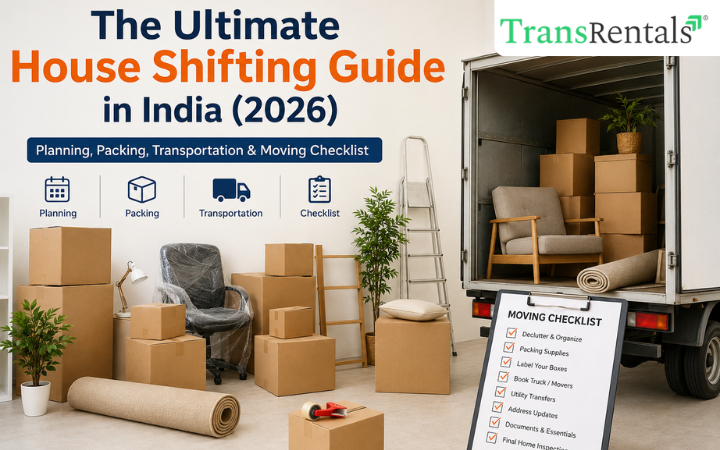

The good news is that a well-planned move can save you time, money, and unnecessary stress.
Whether you're relocating within your city or moving to another state, this complete house shifting guide will walk you through every stage of the process. From creating a moving timeline to choosing the right truck rental for your belongings, you'll find practical advice that makes your relocation smoother.
Why Proper Planning Matters
Many people begin packing only a day or two before moving. This often leads to:
- Missing important documents
- Damaged furniture
- Higher transportation costs
- Lost household items
- Delays on moving day
Planning your move a few weeks in advance allows you to organize everything efficiently and avoid last-minute surprises.
30 Days Before Moving
Start preparing at least one month before your move.
Create a Moving Checklist
Write down every task that needs to be completed before moving day.
Include items like:
- Utility transfers
- Address updates
- School transfers
- Internet connection
- Gas connection
- Vehicle parking permissions
- Cleaning appointments
Having a checklist ensures nothing important gets forgotten.
Declutter Your Home
Moving unnecessary items only increases transportation costs.
Separate your belongings into four categories:
- Keep
- Donate
- Sell
- Recycle
The fewer items you move, the easier and more affordable your relocation becomes.
Measure Large Furniture
Before moving, measure:
- Beds
- Sofas
- Dining tables
- Wardrobes
- Refrigerators
This helps ensure everything fits through doors, elevators, and into your transport vehicle.
2 Weeks Before Moving
Now it's time to begin packing.
Pack room by room instead of packing everything together.
Label every box clearly.
For example:
- Kitchen
- Bedroom
- Bathroom
- Living Room
- Fragile Items
This makes unpacking significantly easier.
Essential Packing Materials
Use quality packing supplies to reduce damage during transport.
Recommended materials include:
- Corrugated boxes
- Bubble wrap
- Stretch film
- Packing tape
- Foam sheets
- Zip-lock bags
- Permanent markers
Avoid using weak or damaged cartons for heavy items.
Packing Tips That Actually Work
Kitchen
Wrap glassware individually.
Store plates vertically instead of stacking them flat.
Keep spices and liquids sealed inside plastic bags.
Bedroom
Leave clothes on hangers whenever possible.
Use vacuum bags for blankets and winter clothing.
Pack jewelry separately.
Electronics
Keep original boxes if available.
Photograph cable connections before unplugging devices.
Label every cable.
Important Documents
Carry documents personally instead of placing them inside the moving truck.
This includes:
- Aadhaar Card
- PAN Card
- Passport
- Property papers
- Insurance documents
- Bank documents
Choosing the Right Truck Size
One of the biggest mistakes during house shifting is booking the wrong vehicle.
A truck that's too small may require multiple trips, while an oversized vehicle increases transportation costs unnecessarily.
Here's a general guide:
House SizeRecommended Vehicle1 RK / StudioPickup Truck1 BHKMini Truck2 BHKMini Truck or Light Commercial Vehicle3 BHKMedium Truck4 BHK or VillaLarge Container TruckChoosing the right truck rental ensures your belongings can be transported safely in fewer trips while optimizing your moving budget.
Should You Hire Packers and Movers?
This depends on your budget and the amount of household items you own.
Professional movers can help with:
- Packing
- Loading
- Transportation
- Unloading
- Furniture assembly
If you're moving only a short distance with fewer belongings, renting a truck and handling the packing yourself may be a cost-effective option.
Loading Tips to Prevent Damage
Heavy items should always be loaded first.
Place lighter boxes on top.
Fragile items should never support heavy weight.
Use ropes or straps to secure furniture so it doesn't move while the truck is in transit.
Mattresses should remain upright whenever possible.
Protect wooden furniture with blankets or foam sheets to prevent scratches.
Don't Forget Utility Transfers
Before leaving your old home, remember to:
- Disconnect electricity
- Transfer water connection
- Cancel internet services
- Update LPG address
- Redirect courier deliveries
- Change your address with banks
Completing these tasks early avoids unnecessary interruptions after moving.
Moving Day Essentials
Keep one separate bag with items you'll need immediately after reaching your new home.
Include:
- Chargers
- Medicines
- Toiletries
- Water bottles
- Snacks
- Basic tools
- Extra clothes
- Important documents
Avoid packing these items inside the moving truck.
Inspect Everything Before Leaving
Before handing over your old home, check:
- Cupboards
- Kitchen cabinets
- Loft storage
- Balcony
- Bathroom shelves
- Electrical sockets
- Parking area
Many people accidentally leave behind chargers, keys, documents, or kitchen appliances.
Unpacking Smartly
Once you've arrived:
- Assemble beds first.
- Set up the kitchen.
- Connect major appliances.
- Arrange essential furniture.
- Decorate gradually.
Trying to unpack everything in one day often becomes exhausting.
Take your time and organize one room at a time.
Common House Shifting Mistakes to Avoid
- Waiting until the last minute to pack
- Booking transportation too late
- Using poor-quality cartons
- Forgetting to label boxes
- Carrying important documents in packed cartons
- Choosing the wrong truck size
- Ignoring furniture protection
- Not checking weather forecasts
- Forgetting address updates
- Underestimating loading time
Avoiding these mistakes can make your relocation significantly easier.
Why Truck Rental Makes Sense for Many Moves
For families, students, working professionals, and small businesses, truck rental has become one of the most flexible ways to transport household goods.
Instead of purchasing or arranging commercial transport, renting the right vehicle allows you to move according to your own schedule while selecting a truck that matches your requirements.
Whether you need a compact pickup truck for a studio apartment or a larger vehicle for a complete family home, choosing the appropriate transport helps reduce unnecessary trips and improves the overall moving experience.
Final Thoughts
House shifting doesn't have to be stressful. With proper planning, organized packing, and the right transportation, relocating can become a smooth and well-managed experience.
Start preparing early, use quality packing materials, protect valuable belongings, and choose a vehicle that fits your moving needs. A little preparation goes a long way toward making moving day easier.
Whether you're relocating across the street or across the country, following this guide will help you save time, reduce stress, and settle into your new home with confidence.
Frequently Asked Questions
How early should I start planning a house move?
Ideally, begin planning at least 3–4 weeks before your moving date.
What size truck do I need for a 2 BHK house?
A mini truck or light commercial vehicle is generally suitable, depending on the volume of your furniture and household items.
Should I hire packers and movers or rent a truck?
If you have many fragile or bulky items, professional movers can be helpful. For smaller relocations, renting a truck and packing yourself is often more economical.
How can I protect furniture during transportation?
Wrap furniture with moving blankets, foam sheets, or bubble wrap, and secure everything properly inside the truck to prevent shifting during transit.
What's the biggest mistake people make while moving?
The most common mistake is waiting until the last minute. Early planning and proper organization make the entire moving process much easier and less stressful.




Comments (0)
No comments yet. Be the first to comment!