
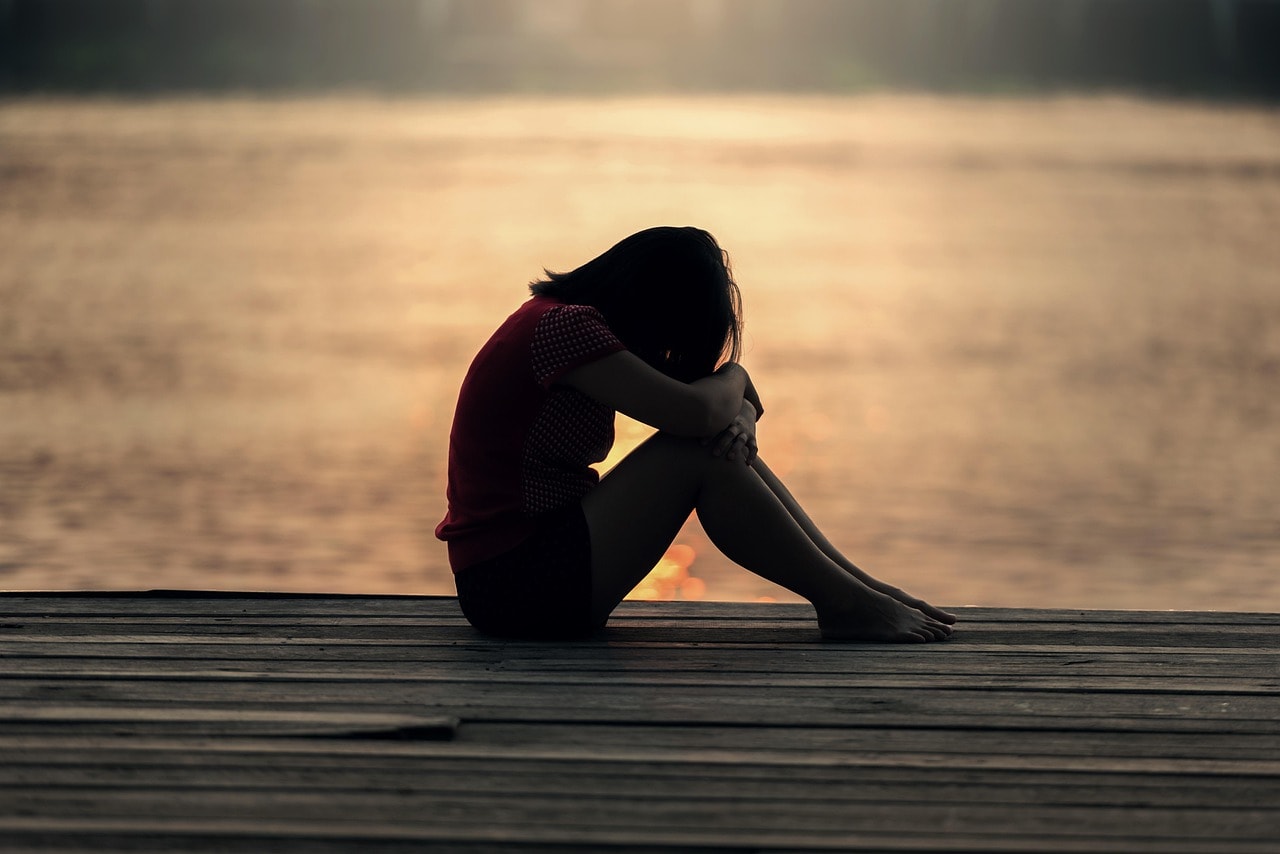
In a world that never stops buzzing, being alone has become something to avoid. We scroll through feeds, fill every silence with podcasts, and measure our worth by likes and replies. But what if the most profound connection we can make is with ourselves? Solitude isn't loneliness; it's a deliberate choice to step away from the noise and listen to your own thoughts. From ancient monks to modern creatives, those who embrace solitude often discover a wellspring of clarity, creativity, and peace. Let's explore why the quiet power of being alone might be exactly what you need.
Redefining Solitude: Not Loneliness, But a Superpower
Many people confuse solitude with loneliness, but they are fundamentally different. Loneliness is a painful feeling of disconnection, while solitude is a voluntary state of being alone that can be deeply fulfilling. Think of it as a superpower—a chance to recharge, reflect, and reconnect with your core values. In our hyper-connected culture, solitude offers a rare opportunity to unplug from external expectations and tune into your inner voice.
Historically, great thinkers have championed solitude. Philosophers like Seneca and Thoreau sought it out for wisdom. Artists like Frida Kahlo and writers like Virginia Woolf used it to fuel their creativity. Even modern leaders like Bill Gates take regular “think weeks” where they isolate themselves to read and reflect. Solitude isn't antisocial; it's a strategic retreat that helps you return to the world with renewed energy and perspective.
“Solitude is not the absence of company, but the moment when our soul is free to speak to us.” — Unknown
The Science of Solitude: How Being Alone Boosts Your Brain
Research shows that solitude can have profound effects on your mental health and cognitive function. A study from the University of Buffalo found that people who spend time alone experience lower levels of stress and depression. When you're alone, your brain enters a state of “default mode network,” which is associated with self-reflection, memory consolidation, and creative problem-solving. This is why some of your best ideas come in the shower or during a quiet walk.
Additionally, solitude can improve focus and productivity. In a world of constant notifications, our attention spans are fractured. By removing distractions, you allow your brain to dive deep into complex tasks. The concept of “deep work,” popularized by Cal Newport, relies on extended periods of uninterrupted concentration—something that requires solitude. Even short bursts of alone time can reset your mental state and boost emotional regulation.
- Enhanced creativity: Solitude allows your mind to wander and make new connections.
- Better self-awareness: Without external input, you can examine your thoughts and feelings honestly.
- Reduced social fatigue: Introverts especially benefit from time alone to recharge.
- Improved relationships: Time alone helps you appreciate others and communicate more authentically.
Practical Ways to Cultivate Solitude in a Connected World
Finding solitude doesn't mean you need to retreat to a cabin in the woods. It can be integrated into your daily routine in small, intentional ways. Start by setting aside 10-15 minutes each day for complete silence—no phone, no music, no conversation. You can meditate, journal, or simply sit and breathe. The key is to resist the urge to fill the space with input.
Another powerful practice is taking a “digital detox” for a few hours each week. Turn off notifications, leave your phone behind, and go for a walk alone. Notice the sights, sounds, and sensations around you. You might be surprised how much clarity emerges when you're not constantly consuming. For a deeper experience, try a solo day trip or a weekend retreat without any technology. Many people find that prolonged solitude leads to breakthroughs in understanding themselves and their life direction.
- Morning silence: Wake up 15 minutes early and sit in silence before starting your day.
- Tech-free walks: Leave your phone at home and walk without distractions.
- Journaling: Write your thoughts freely without judgment.
- Solo hobbies: Try painting, reading, or gardening alone.
- Regular retreats: Schedule a few hours or a weekend alone every month.
Solitude in Different Cultures: Eastern Wisdom and Western Individualism
Attitudes toward solitude vary across cultures. In many Eastern traditions, solitude is seen as essential for spiritual growth. Buddhism encourages periods of solitary meditation to achieve enlightenment. In Japan, the concept of wabi-sabi—finding beauty in imperfection and transience—often involves solitary contemplation of nature. Similarly, in Hindu philosophy, sannyasa (renunciation) includes periods of isolation for self-realization.
Western cultures, on the other hand, have a more complex relationship with solitude. While individualism is celebrated, being alone is often stigmatized as antisocial or sad. However, the Romantic movement of the 18th and 19th centuries elevated solitude as a source of artistic inspiration. Poets like William Wordsworth and painters like Caspar David Friedrich depicted solitary figures in nature as sublime and powerful. Today, the global rise of remote work and digital nomadism is reshaping how we view solitude—it's becoming a lifestyle choice rather than a punishment.
Frequently Asked Questions
What's the difference between solitude and loneliness?
Solitude is a voluntary state of being alone that feels peaceful and fulfilling. Loneliness is an involuntary feeling of isolation and disconnection, even when surrounded by others. Solitude enriches; loneliness drains.
How much solitude is healthy?
There's no one-size-fits-all amount. Some people thrive with daily doses of alone time, while others need only occasional solitude. The key is to listen to your own needs. If you feel recharged and more focused after time alone, you're likely getting the right amount.
Can solitude help with anxiety?
Yes, but it depends on the individual. For many, solitude reduces sensory overload and allows the nervous system to calm down. However, if solitude triggers feelings of panic or rumination, it may be better to combine it with grounding techniques or seek professional support. Solitude is a tool, not a cure-all.
Final Thoughts
Solitude is not an escape from the world; it's a way to meet yourself more fully. In a culture that equates busyness with importance, choosing to be alone can feel radical. But the rewards—clarity, creativity, self-knowledge—are immense. Start small. Turn off the noise for just a few minutes today. You might discover that the most interesting conversation you'll ever have is with yourself.




Comments (0)
No comments yet. Be the first to comment!