
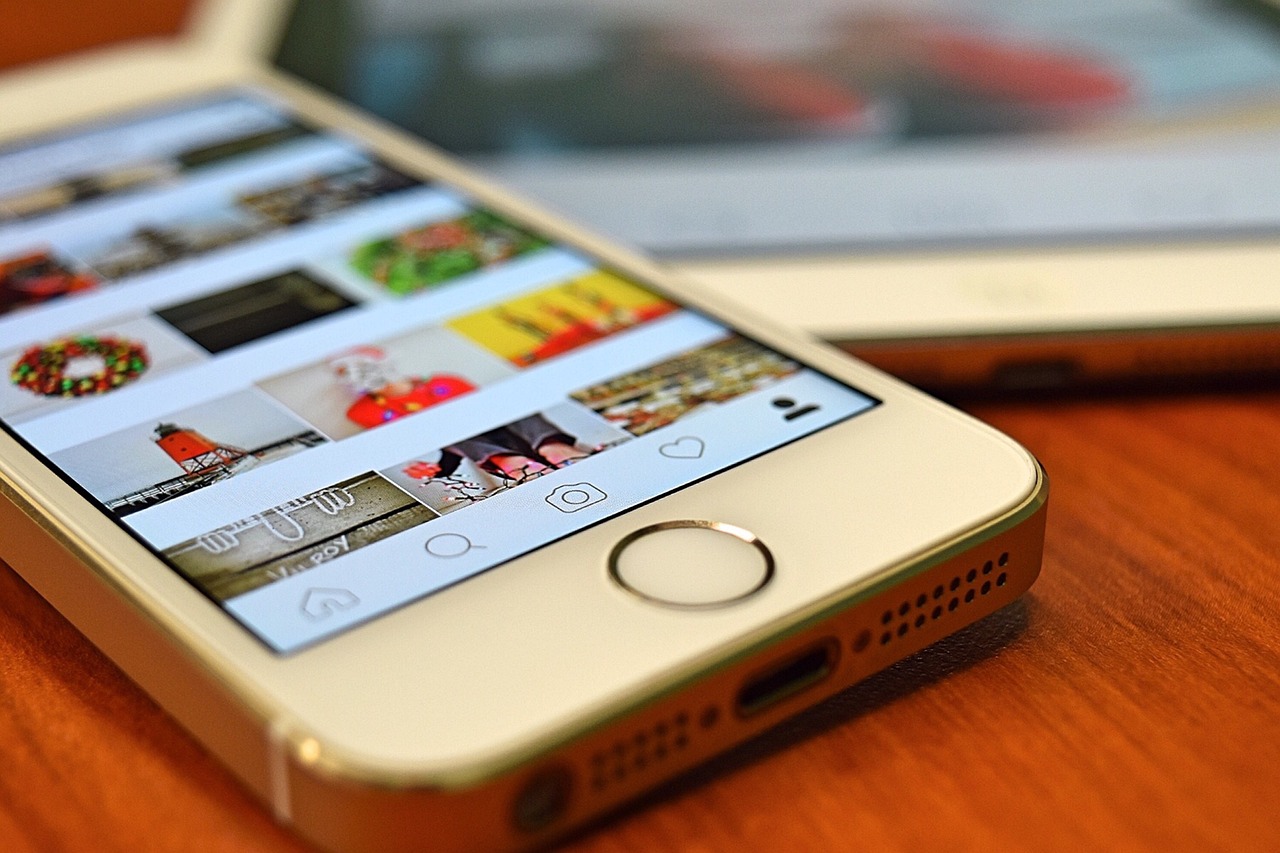

Scrolling through Instagram, you see friends laughing at a party you weren't invited to. A tweet goes viral while you sit alone in your room. Social media promised to bring us together, yet study after study shows that the more we use it, the lonelier we feel. This isn't just a personal experience—it's a global paradox. How did the most connected generation become the loneliest?
The Illusion of Connection
Social media platforms are designed to simulate social interaction without its substance. A like, a comment, a share—these micro-interactions trigger dopamine releases in our brains, making us feel momentarily connected. But they lack the depth of real conversation, the warmth of a hug, or the synchrony of eye contact. Over time, we mistake these digital crumbs for genuine relationships.
Consider this: you might have 1,000 friends on Facebook, but how many of them would help you move apartments? Research from the University of Pittsburgh found that heavy social media users (over two hours a day) are twice as likely to feel socially isolated compared to those who spend less time online. The sheer volume of connections dilutes their quality.
- Superficial interactions replace deep conversations.
- FOMO (Fear Of Missing Out) increases due to curated highlight reels.
- Comparison with others leads to feelings of inadequacy.
The Comparison Trap
Every post on social media is a carefully crafted highlight reel. We see vacations, promotions, and perfect family dinners—but rarely the struggles behind them. This constant exposure to others' best moments triggers social comparison, a natural human tendency that becomes toxic online. We compare our behind-the-scenes to everyone else's highlight reels, and we always come up short.
A study published in the Journal of Social and Clinical Psychology found that limiting social media use to 30 minutes per day significantly reduces depression and loneliness. Participants who reduced their usage reported feeling more present and satisfied with their real-life relationships. The irony is that while we scroll to connect, we end up feeling worse about ourselves.
"Social media is not a tool for connection—it's a tool for comparison. And comparison is the thief of joy." — Anonymous
The Decline of Real-World Social Skills
As we spend more time interacting through screens, our ability to navigate face-to-face interactions atrophies. We forget how to read body language, maintain eye contact, or handle awkward silences. This is especially pronounced in younger generations who have grown up with smartphones. College students today report fewer close friends and less satisfaction with their social lives than students in the 1980s, even though they have more ways to communicate.
Moreover, the convenience of online communication makes us less likely to put in the effort for real-world meetups. Why call someone when you can text? Why visit when you can video chat? But these low-effort interactions don't provide the same emotional nourishment. A study from the University of Kansas found that it takes about 50 hours of interaction to move from acquaintance to casual friend, and over 200 hours to become a close friend. Social media rarely provides that depth.
How to Break the Cycle
Breaking free from the loneliness paradox doesn't require abandoning social media entirely. Instead, it's about using it mindfully. Here are some practical steps:
- Set time limits. Use app blockers or phone settings to limit daily usage to 30-60 minutes.
- Curate your feed. Unfollow accounts that make you feel inadequate. Follow those that inspire real-world action.
- Prioritize real connections. Use social media to arrange in-person meetups, not replace them.
- Practice digital detox. Designate tech-free hours or days to reconnect with yourself and others.
Remember: the goal is not to eliminate social media but to ensure it serves you, not the other way around. When we use it as a supplement to real life, not a substitute, we can reclaim genuine connection.
Frequently Asked Questions
Does social media cause loneliness or just reflect it?
Research suggests a bidirectional relationship. People who are already lonely may use social media more, but heavy use also increases loneliness over time. It's a vicious cycle that can be broken with mindful usage.
Can social media ever be good for mental health?
Yes, when used intentionally. Social media can provide support communities for marginalized groups, help maintain long-distance relationships, and offer inspiration. The key is active engagement (commenting, messaging) rather than passive scrolling.
How much social media is too much?
Studies recommend no more than 30 minutes per day for optimal wellbeing. However, quality matters more than quantity. If your usage leaves you feeling drained or envious, it's too much regardless of time.
Final Thoughts
Social media is a tool, not a substitute for human connection. The loneliness we feel is not a flaw in our character but a feature of the platforms we use. By recognizing the paradox and taking deliberate steps to prioritize real-world relationships, we can reclaim the connection we crave. It starts with putting down the phone and looking up—at the people right in front of us.



Comments (0)
No comments yet. Be the first to comment!