
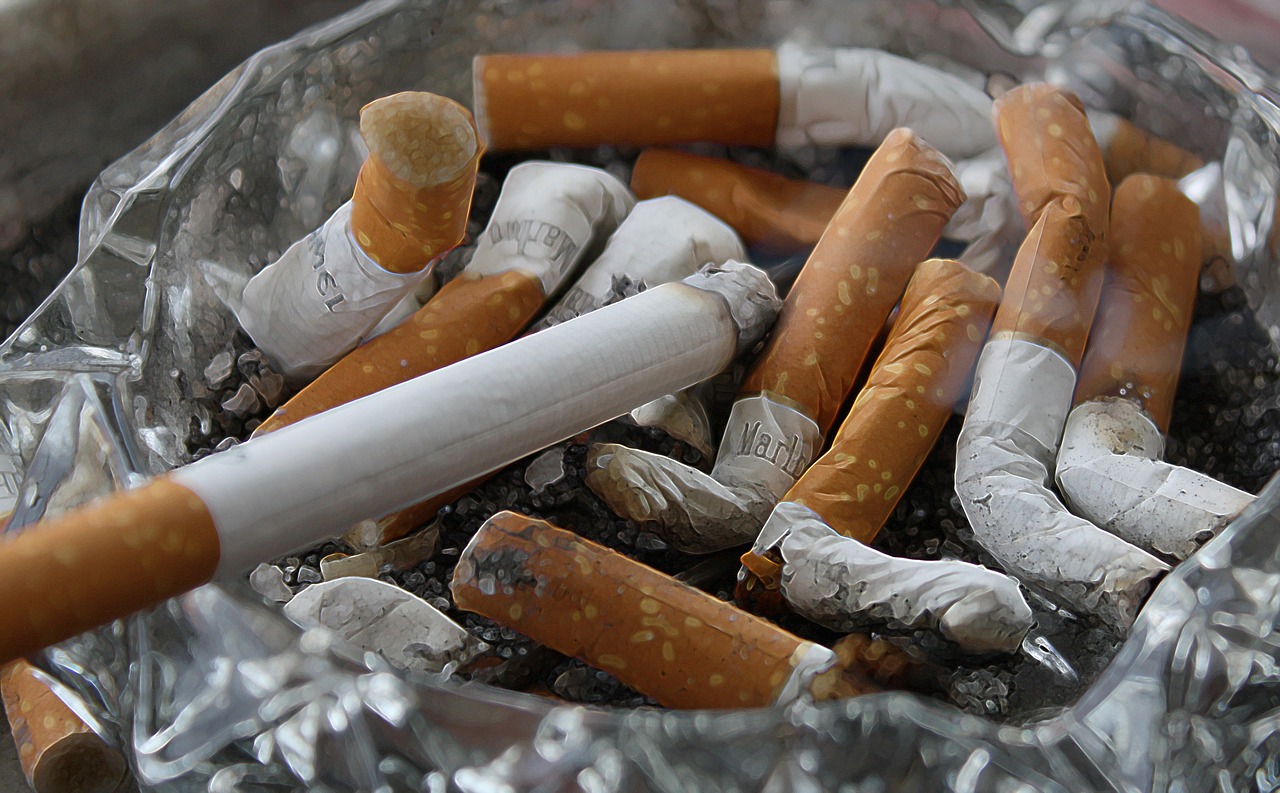

Do you ever feel like your bad habits are running on autopilot, hijacking your best intentions? You’re not alone. Research shows that roughly 40% of our daily actions are driven by habit, not conscious decision. But here’s the good news: habits are learnable patterns, and with the right approach, you can rewire your brain to break free from the ones that hold you back. This guide combines neuroscience, behavioral psychology, and practical strategies to help you break bad habits for good.
Why Bad Habits Stick (The Science of the Habit Loop)
At the core of every habit—good or bad—is a three-step loop: cue, routine, reward. The cue triggers the behavior, the routine is the behavior itself, and the reward reinforces the loop. For example, feeling stressed (cue) might lead you to scroll social media (routine) because it gives you a dopamine hit (reward). This loop gets stronger every time you repeat it.
Your brain craves efficiency. Once a habit loop is established, the neural pathways become well-trodden, making the behavior automatic. That’s why willpower alone rarely works: you’re fighting against your brain’s wiring. Understanding this loop is the first step to breaking it.
- Cue: Identify what triggers your habit. Is it time of day, an emotion, a location, or a preceding action?
- Routine: The actual behavior you want to change.
- Reward: What you get from the habit—relaxation, excitement, distraction, etc.
“The habit loop is powerful because it operates below our conscious awareness. Once you bring it into the light, you can begin to reshape it.” — Charles Duhigg
Strategy 1: Identify Your Cues and Rewards
Before you can change a habit, you need to understand it. For one week, keep a simple journal of your target habit. Note the time, your emotional state, the environment, and what happened right before the urge appeared. Also note what you did and how you felt afterward.
Once you have data, look for patterns. Is the habit triggered by boredom? Stress? A specific location? Then ask: what reward am I really seeking? For example, when you reach for a cigarette, are you calming anxiety or seeking a social break? The reward is the hidden driver, and you can find a healthier substitute that delivers the same benefit.
- Track your habit for 7 days.
- Identify the most common cue (e.g., 3 PM slump, feeling lonely).
- Experiment with different rewards to see what satisfies the craving.
Strategy 2: Replace, Don’t Erase
It’s nearly impossible to simply eliminate a habit because the cue and reward pathway remains. Instead, replace the routine with a healthier behavior that gives a similar reward. This is called habit substitution. For instance, if you want to stop snacking when stressed, try a five-minute breathing exercise (calming reward) or chew gum (sensory reward).
Make the new routine as easy as possible. If you want to exercise instead of watching TV after work, lay out your workout clothes the night before. Reduce friction for the good habit and increase friction for the bad one (e.g., delete social media apps from your phone).
“You do not rise to the level of your goals. You fall to the level of your systems.” — James Clear
Strategy 3: Change Your Environment
Your environment is a powerful cue. If you want to stop biting your nails, keep a nail file and bitter-tasting polish within reach. If you want to stop checking your phone first thing in the morning, charge it in another room. Design your surroundings to make the bad habit invisible and the good habit obvious.
Research shows that people who reorganize their kitchen to make healthy snacks visible and junk food hidden eat 30% fewer calories from sweets. Small environmental tweaks can have outsized effects.
- Move triggers out of sight (e.g., put the TV remote in a drawer).
- Add friction: make the bad habit take more effort (e.g., unplug the gaming console).
- Create a dedicated space for the new habit (e.g., a reading corner).
Strategy 4: Leverage Willpower Wisely
Willpower is like a muscle: it depletes with use. Instead of relying on sheer will to resist temptation, use it to plan and automate good decisions. This is called implementation intention: “When I feel the urge to smoke, I will immediately chew a piece of gum for two minutes.”
Also, reduce decision fatigue by simplifying other areas of your life. If you’re trying to quit sugar, don’t keep cookies in the house—you’ll need willpower every time you see them. Use the “two-minute rule”: start a new habit in less than two minutes (e.g., “put on running shoes” instead of “run for 30 minutes”).
Frequently Asked Questions
How long does it take to break a habit?
There’s no magic number, but a 2009 study found that it takes an average of 66 days for a new behavior to become automatic. Simple habits may take less time, while complex ones can take longer. Consistency matters more than duration.
What if I slip up? Should I start over?
Slips are normal and part of the learning process. Instead of seeing them as failure, treat them as data. Ask: what triggered the slip? How can I adjust my plan? Missing one day doesn’t erase your progress—just get back on track the next day.
Can I break multiple habits at once?
It’s best to focus on one habit at a time. Changing behavior requires mental energy, and trying to overhaul your entire life at once often leads to burnout. Pick the habit that will have the biggest positive ripple effect, and master it before moving on.
Final Thoughts
Breaking a bad habit isn’t about perfection—it’s about progress. By understanding the habit loop, replacing rather than removing, tweaking your environment, and using willpower strategically, you can create lasting change. Remember, every time you resist the old routine and choose a new one, you’re strengthening a new neural pathway. Be patient with yourself, celebrate small wins, and trust the process.
Comments (0)
No comments yet. Be the first to comment!