
You've got a voice, a message, and a burning desire to share it with the world. Starting a podcast in 2025 is easier than ever, but the sheer number of options can be overwhelming. This guide cuts through the noise and gives you a clear, actionable path from idea to launch. Whether you want to build a brand, share stories, or just have fun, we'll get you there without the fluff.
Defining Your Podcast Concept and Niche
Before you buy a single microphone, nail down your podcast's core idea. Ask yourself: What unique perspective can I offer? Who is my ideal listener? A focused niche helps you stand out in a crowded market. For example, instead of a general "pop culture" podcast, try "the intersection of 90s cartoons and modern parenting."
Next, choose a format that fits your style and content. Common formats include:
- Interview show: You host guests and ask questions.
- Solo monologue: You share insights or stories alone.
- Co-hosted chat: Two or more people discuss topics.
- Storytelling/narrative: Scripted episodes with sound design.
Also, decide on episode length and frequency. Consistency beats perfection. A weekly 30-minute episode is better than a sporadic two-hour marathon. Test your concept with a small audience before committing fully.
Choosing the Right Equipment on a Budget
You don't need a professional studio to sound great. Start with these essentials:
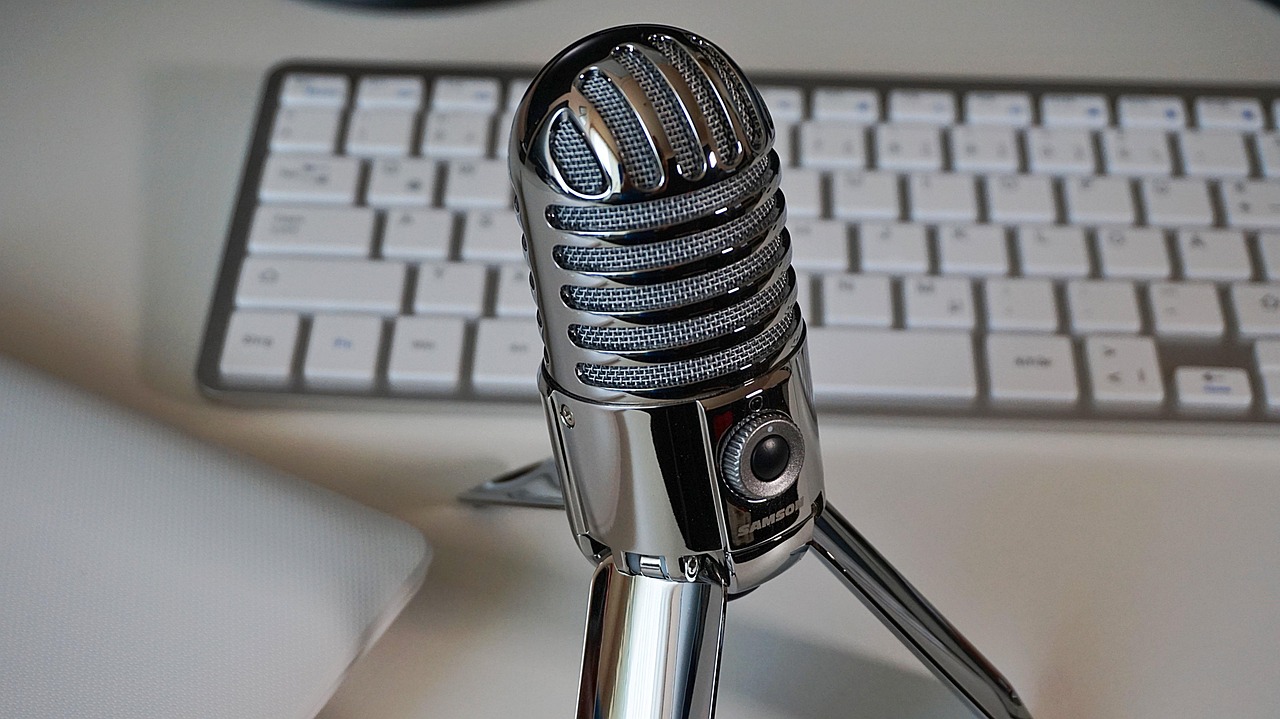
- Microphone: The Audio-Technica ATR2100x or Samson Q2U are affordable USB/XLR hybrids that sound fantastic. For a tiny budget, the Fifine K669B works well.
- Headphones: Closed-back headphones like the Sony MDR-7506 or Audio-Technica ATH-M20x prevent bleed into your mic.
- Pop filter and mic stand: A simple pop filter reduces plosives, and a desk stand keeps your mic at the right height.
If you plan to have guests, consider an audio interface like the Focusrite Scarlett Solo and a mixer for multiple mics. But for solo or remote interviews, a USB mic is perfectly fine. Remember: content is king. A great show recorded on a $50 mic will outperform a boring show recorded in a $10,000 studio.
"The best podcast equipment is the one you actually use. Don't let gear acquisition syndrome delay your launch. Start with what you have and upgrade as you grow." — experienced podcaster
Recording and Editing Your First Episode
For recording software, free options like Audacity (desktop) or GarageBand (Mac) are powerful and intuitive. For a more modern workflow, try Descript, which offers AI-powered editing and transcription. Record in a quiet room with soft furnishings to reduce echo. A closet full of clothes makes an excellent makeshift booth.
Editing doesn't have to be scary. Focus on these basics:
- Trim silence and mistakes: Remove long pauses, ums, and verbal stumbles.
- Normalize volume: Use the compressor and limiter to even out loud and quiet parts.
- Add intro/outro music: Use royalty-free tracks from sites like Pixabay or Uppbeat.
Export your final file as MP3 with 128-192 kbps bitrate, 44.1 kHz sample rate, and mono or stereo as needed. Keep your first few episodes simple—aim for "good enough" rather than perfect. You'll improve with practice.
Hosting, Publishing, and Distributing Your Podcast
A podcast host stores your audio files and generates an RSS feed required by directories like Apple Podcasts and Spotify. Popular hosts include Buzzsprout, Podbean, and Transistor. They offer analytics and easy distribution. Most have free tiers with limited storage—upgrade as you grow.
Once you've uploaded your episode to your host, submit your RSS feed to major directories:
- Apple Podcasts (via Apple Podcasts Connect)
- Spotify for Podcasters
- Google Podcasts (now integrated with YouTube Music)
- Amazon Music and Audible
Don't forget to create show notes for each episode—a few paragraphs summarizing the content, key takeaways, and links. This helps with SEO and gives listeners a reason to click. Also, design cover art that's 3000x3000 pixels, eye-catching, and readable at small sizes.
Promoting Your Podcast and Growing an Audience
Launch day is just the beginning. To grow, you need to be proactive. Start by leveraging your existing network: tell friends, family, and social media followers. Ask them to subscribe and leave a review—reviews boost visibility on Apple Podcasts.
Other effective promotion strategies include:
- Cross-promotion: Appear as a guest on other podcasts in your niche, and invite guests to share the episode with their audience.
- Social media snippets: Create short video clips or audiograms with a waveform and share them on TikTok, Instagram, and LinkedIn.
- Email list: Build an email list from day one to notify subscribers of new episodes and share exclusive content.
- SEO for your website: If you have a podcast website, optimize episode titles and show notes for keywords your audience searches for.
Consistency and engagement are key. Respond to listener comments and messages, and ask for feedback to improve. Growing a podcast takes time, but with patience and persistence, you'll build a loyal community.
Frequently Asked Questions
How long does it take to start a podcast?
If you have a clear concept, you can launch within a week. Equipment and software setup takes a day, recording and editing a few hours, and distribution a couple of days for directory approval. The biggest delay is usually perfectionism—just start!
How much does it cost to start a podcast?
You can start for under $100. A decent USB microphone costs around $50, a pop filter $10, and free software covers recording and editing. Hosting starts at $0-12/month for a basic plan. As you grow, you might invest in better gear or paid editing services.
Do I need a video podcast?
Video is optional but increasingly popular, especially on YouTube and Spotify. If you're comfortable on camera, video can expand your reach. But audio-only is perfectly fine and often easier for listeners to consume on the go. Start with audio and add video later if you choose.
Final Thoughts
Starting a podcast is an exciting journey that lets you share your voice with the world. Remember, the most important step is to hit record. Don't wait for the perfect setup or the perfect episode. Your first few episodes might be rough, but each one will be better than the last. Stay consistent, engage with your audience, and most importantly, have fun. You've got this.




Comments (0)
No comments yet. Be the first to comment!