
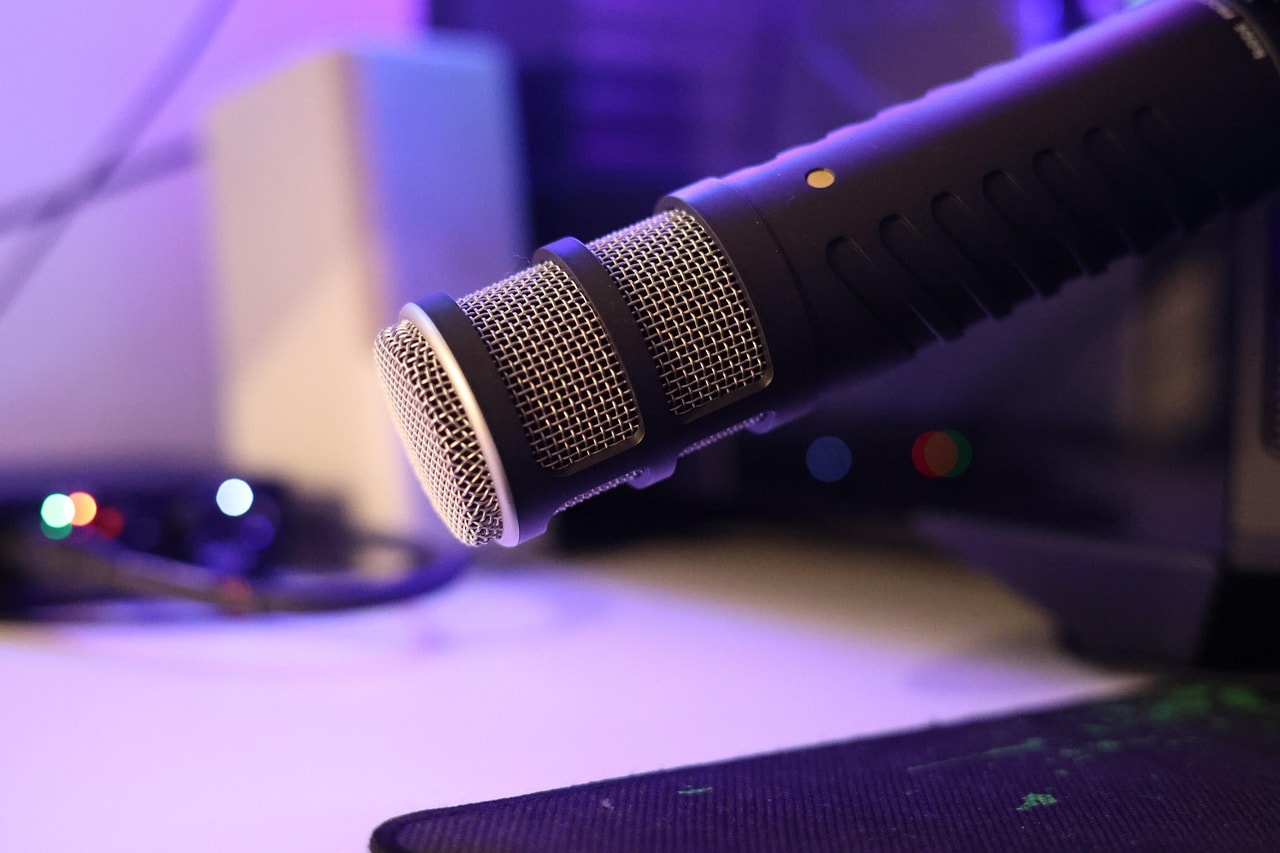
Remember when radio was the only audio companion during a commute? Those days are long gone. In the past decade, podcasts have quietly—and then not so quietly—transformed from a niche hobby into a mainstream media powerhouse. With over 5 million podcasts and 70 million episodes available as of 2025, this medium has fundamentally altered how we learn, laugh, and connect. But it's not just about convenience; it's about intimacy, authenticity, and a radical shift in who gets to tell stories.
The Rise of Niche Communities
One of the most striking changes podcasts have brought is the fragmentation of audiences. Instead of a one-size-fits-all broadcast, listeners can now dive into hyper-specific interests. Want to hear about the history of bread? There's a podcast for that. Need a deep dive into 18th-century French poetry? Yep, that exists too.
This shift has empowered creators who would have been ignored by traditional media. For example, "The History of Rome" started as a hobby by Mike Duncan and later spawned a book deal and a hit follow-up, "Revolutions." Similarly, "My Favorite Murder" turned the true-crime genre into a community of "murderinos" who attend live shows and raise money for charity. These shows thrive not because they appeal to everyone, but because they speak deeply to a specific group.
"Podcasting is the ultimate medium for passion projects. If you can find 1,000 people who care as much as you do, you have a show." — Tim Ferriss
The Authenticity Advantage
Unlike polished TV or radio, podcasts often feel like you're eavesdropping on a conversation. This raw quality builds trust. When hosts stumble over words, laugh at their own jokes, or get emotional, listeners feel a connection that's rare in other media.
Consider "The Daily" from The New York Times. While the newspaper is authoritative, the podcast brings you into the newsroom, with reporters explaining their stories in a conversational tone. Similarly, "Conan O'Brien Needs a Friend" strips away the late-night persona, revealing a genuinely awkward and funny human being. This authenticity is a key reason why 40% of podcast listeners say they feel a personal connection to hosts.
Advertisers have taken note. Host-read ads, where the host personally endorses a product, outperform traditional radio spots by 2-3x in recall and purchase intent. Listeners trust the host's recommendation, making podcast ads surprisingly effective.
Changing Listening Habits
Podcasts have also reshaped our daily routines. Instead of zoning out during a commute or workout, people now actively choose to learn or be entertained. The average listener consumes 7 episodes per week, often while multitasking.
- Morning routine: News podcasts like "Up First" (10 minutes) replace the radio.
- Commute: Serialized stories like "S-Town" make traffic bearable.
- Workouts: High-energy shows like "The Joe Rogan Experience" (3+ hours) keep you company.
- Evening wind-down: Sleep podcasts like "Nothing Much Happens" lull you to sleep with gentle stories.
This flexibility has made podcasts a constant companion, replacing background noise with intentional content. And with smart speakers and car integrations, listening has never been easier.
The Economics of Podcasting
Podcasting has also democratized media production. Anyone with a microphone and an idea can start a show. While the barrier to entry is low, the economics are tricky. Most podcasts don't make money—only about 20% of shows are profitable. Yet the top earners pull in millions.
Revenue streams include:
- Advertising: Dynamic ad insertion allows targeted ads based on listener location and behavior.
- Sponsorships: Direct deals with brands like Mailchimp, Squarespace, and Casper.
- Premium content: Subscription models (e.g., Luminary) or Patreon for ad-free episodes.
- Live shows: Ticket sales for live recordings (e.g., "The Adventure Zone" tours).
- Merchandise: T-shirts, mugs, and tote bags.
Spotify has invested heavily, spending over $1 billion on podcast acquisitions like Gimlet, Anchor, and The Ringer. Apple Podcasts remains a giant, but new players like Amazon Music and YouTube are vying for market share. This competition is driving innovation in discoverability and listener analytics.
Impact on Traditional Media
Podcasts have not only created a new medium but also transformed existing ones. Radio stations now repurpose content as podcasts, and TV networks create companion podcasts for their shows (e.g., "Better Call Saul Insider Podcast").
Authors use podcasts to sell books (e.g., "The Tim Ferriss Show" launched many bestsellers). Journalists break stories on podcasts before print. Comedians find new audiences through podcasting, often leading to Netflix specials. The line between creator and consumer has blurred; many podcast listeners become creators themselves.
However, there are challenges. The sheer volume of content makes it hard for new shows to be discovered. Listener fatigue is real, and average completion rates hover around 70% for episodes. Yet the medium continues to grow, with 40% of Americans listening monthly in 2025.
Frequently Asked Questions
How do I start a podcast?
You need a microphone (USB dynamic mics like Blue Yeti are popular), recording software (Audacity is free), and a hosting platform (Anchor, Buzzsprout). Record episodes, edit, then upload. Consistency matters more than perfection.
Can you make money from podcasting?
Yes, but it takes time. Most successful podcasts build an audience first (often 5,000+ downloads per episode) before attracting advertisers. Alternative revenue: Patreon, merchandise, or consulting.
Why are podcasts so popular?
They offer intimacy, convenience, and niche content. Unlike video, you can listen while doing other tasks. The host-listener bond is strong, and the long-form format allows deep dives that TV can't match.
Final Thoughts
Podcasts are not just a fad; they represent a fundamental shift in media consumption. They give voice to the voiceless, connect strangers over shared passions, and challenge the dominance of visual media. As technology improves (AI transcription, better search), the medium will only become more integral to our lives. Whether you're a listener or a creator, there's never been a better time to tune in.




Comments (0)
No comments yet. Be the first to comment!