
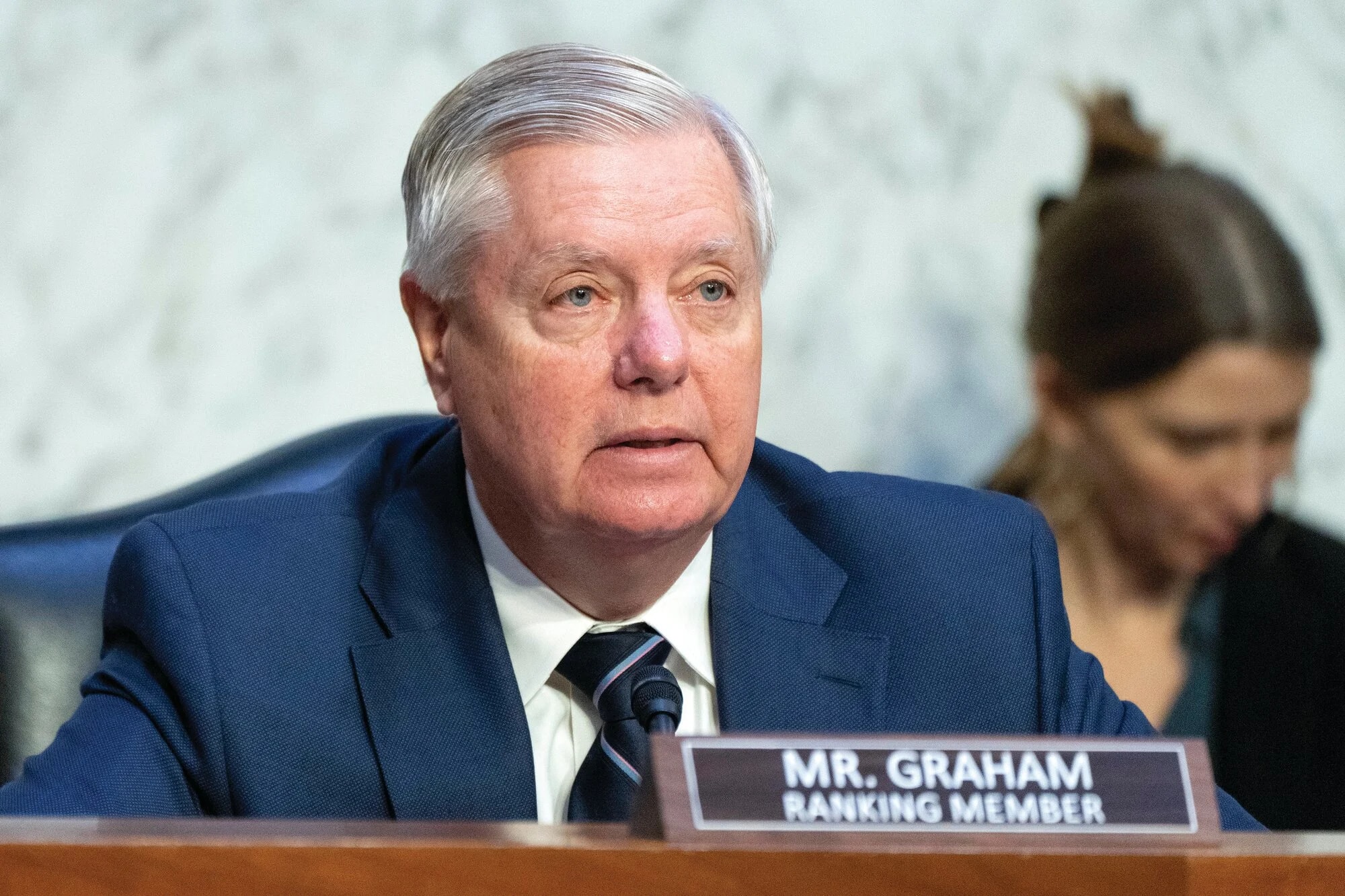

The U.S. Senate has taken a major step toward tightening economic pressure on Russia, passing the Lindsey O. Graham Sanctioning Russia and Iran Act of 2026 by an overwhelming 86–11 vote. The legislation, which was championed by the late Senator Lindsey Graham, is designed to increase pressure on Russia over its war in Ukraine while targeting countries that continue to rely heavily on Russian energy.
But the bill is not just about Moscow. Its most important economic consequences could reach China, India and American consumers , particularly through energy prices, tariffs and international trade.
The legislation still has to clear the House of Representatives before it can become law, meaning its final impact remains uncertain.
What Is the Lindsey Graham Russia Sanctions Bill?
The bill seeks to expand sanctions against Russia and Iran and strengthen the U.S. government's ability to penalize countries that continue purchasing Russian oil and gas.
One of its most closely watched provisions would give the U.S. president authority to impose tariffs of up to 100% on countries considered heavily dependent on Russian energy.
That provision matters because China and India are among the world's biggest buyers of Russian oil. The legislation therefore turns Russia's energy trade into a much broader geopolitical issue involving some of the world's largest economies.
Why China Is in the Spotlight
China could face significant pressure if the legislation becomes law and the administration chooses to use its tariff authority.
Beijing has maintained substantial energy ties with Moscow, and Russian oil has become an important part of the global energy trade following Western sanctions imposed after Russia's invasion of Ukraine.
A potential 100% tariff on Chinese goods would be an enormous escalation. It could affect Chinese manufacturers exporting everything from industrial products and electronics to consumer goods.
However, the tariff would not necessarily happen automatically. The legislation gives the president authority rather than requiring an immediate blanket tariff.
That distinction is important for businesses and investors watching the situation.
India Faces a Different Kind of Risk
For India, the issue is particularly sensitive because Russian crude has played an important role in the country's energy imports.
India has continued buying Russian oil because discounted supplies can help refiners manage energy costs and maintain competitive margins. But increased U.S. pressure could force Indian policymakers and companies to balance cheaper Russian energy against potential trade penalties.
The bill could therefore create a difficult choice: continue purchasing Russian energy and risk additional U.S. trade pressure, or diversify toward alternative suppliers that may come with higher costs.
Reuters reports that the updated legislation includes tariff authority targeting major Russian-energy buyers, including India and China.
Could This Make Petrol and Energy More Expensive?
This is where the legislation could eventually reach ordinary households.
If major buyers reduce their purchases of Russian crude because of sanctions or tariffs, Russia could attempt to redirect oil to other markets. At the same time, restrictions on Russian energy could tighten global supply.
Oil prices are determined by global supply and demand, so even consumers far from Russia could feel the impact.
Higher crude prices can eventually feed into:
- Petrol and diesel costs
- Airline fares
- Transportation expenses
- Manufacturing costs
- Food prices
- Heating and electricity expenses
- Shipping and logistics costs
The final outcome, however, will depend on how the legislation is implemented and how Russia, China, India and other oil-producing countries respond.
What Could Happen to Your Wallet?
For American consumers, the biggest concern is that tariffs can increase the cost of imported goods.
If the United States imposes very high tariffs on products from countries such as China or India, importers may pass some of those costs to retailers and consumers.
That could make certain products more expensive.
At the same time, higher global energy prices could increase transportation and production costs, creating another source of inflation.
Critics of the tariff provision have already warned that giving the president broad tariff authority could raise costs for U.S. consumers.
Why the Senate Vote Matters
The 86–11 vote demonstrates unusually strong bipartisan Senate support for tougher action against Russia.
The legislation also represents a significant evolution of the original proposal associated with Graham. Earlier versions contemplated much higher tariffs, but the updated bill reduced the maximum tariff level to 100%.
The measure also includes sanctions aimed at Russian officials, financial institutions and parts of the country's energy infrastructure.
The House Is the Next Big Test
Senate approval does not mean the sanctions are already in force.
The bill now moves to the House, where lawmakers have raised concerns about giving the president extensive authority to impose tariffs.
That means the legislation could still be changed, delayed or rejected.
For businesses and investors, the House debate may therefore be just as important as the Senate vote.
Could the Bill Strengthen Russia-China Ties?
There is another possible consequence that Washington will have to consider.
If the United States puts additional pressure on countries buying Russian energy, China, India and other affected nations could seek alternative financial and trading arrangements.
That could accelerate efforts to diversify international payment systems, energy suppliers and trade partnerships.
Instead of isolating Russia completely, tougher secondary sanctions could potentially encourage some countries to deepen economic cooperation outside the U.S.-led financial system.
This is one reason the legislation carries consequences well beyond the Russia-Ukraine conflict.
What It Means for India-US Relations
India and the United States have built increasingly important economic and strategic ties, making the Russia sanctions issue particularly delicate.
Washington wants India to reduce its dependence on Russian energy, while New Delhi has an interest in maintaining affordable and diversified energy supplies.
A major escalation in tariffs could complicate bilateral trade negotiations and create additional pressure on Indian exporters.
At the same time, India's large consumer market and strategic importance mean both sides have incentives to avoid a prolonged economic confrontation.
What Investors Should Watch
Investors should focus on several developments rather than reacting only to the Senate vote.
The most important signals will include:
- House action on the bill
- Any changes to presidential tariff authority
- India's future Russian oil purchases
- China's response to potential U.S. pressure
- Global crude oil prices
- Currency movements
- U.S.-India and U.S.-China trade negotiations
Markets could react sharply if investors begin pricing in higher energy costs or a new round of global trade restrictions.
The Bigger Picture
The Lindsey Graham sanctions bill is much more than another Russia sanctions package.
It reflects a broader shift in U.S. economic policy: using access to the American market as leverage against countries that continue doing business with strategic rivals.
For Russia, the objective is to reduce energy revenue.
For China and India, the challenge is balancing relationships with Russia against access to Western markets.
For consumers, the question is ultimately much simpler: will the policy make everyday goods and energy more expensive?
The answer is not yet clear.
The Senate has passed the legislation, but the House still has to act. Even if the bill becomes law, the scale and timing of any tariffs would depend heavily on decisions by the U.S. president.
For now, the most important takeaway is that the economic consequences could extend far beyond Russia—and potentially reach global oil markets, international trade and household budgets.
Final Takeaway
The Senate's 86–11 approval gives the Russia sanctions package significant momentum, but it is not yet a law. China and India could face increased trade pressure because of their Russian energy purchases, while American consumers could ultimately feel the effects through tariffs, energy prices and imported goods.
The next major chapter will be the House debate. Until then, businesses, investors and governments around the world will be watching closely.




Comments (0)
No comments yet. Be the first to comment!