
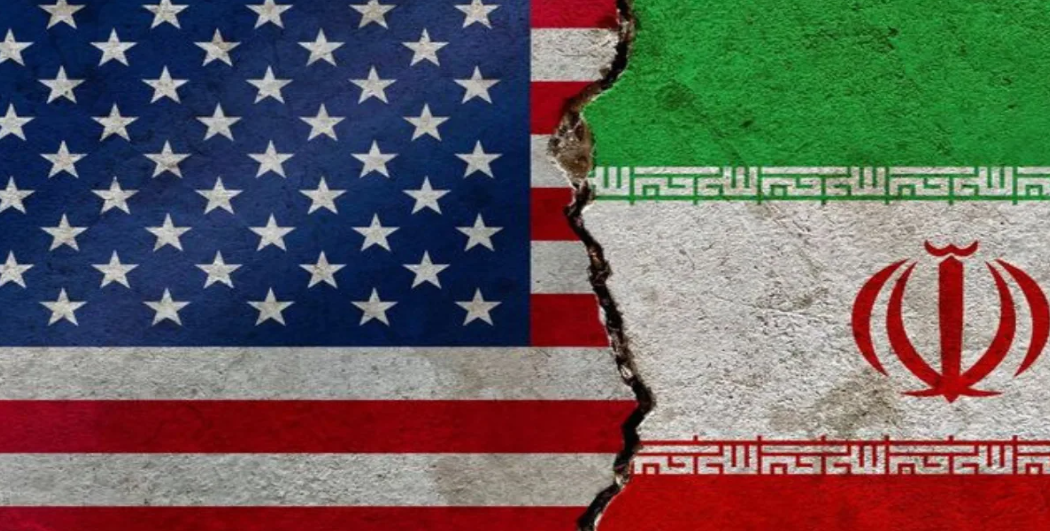

The world celebrated. Oil prices fell. Stock markets rallied. But quietly, in briefing rooms and think tanks from Washington to Tel Aviv, a different conversati Iran halts enrichment advancement and begins down blending its stockpile. The US provides sanctions relief, unfreezes Iranian assets, and removes its naval blockade. Both sides get something they need. Neither side fully trusts the other.
on was happening about what the Iran-US nuclear deal framework actually resolves and what it deliberately leaves open.
Because here is the thing. The ceasefire is real. The memorandum of understanding is signed. And yet the single most dangerous element of the entire conflict, Iran's nuclear enrichment program, remains unsettled.
That is worth pausing on.
Read more: Sonos App Navigation Overhaul Is Here: What Is Changing, Why It Matters, and How to Try It Now
Why the Nuclear Question Inside the Iran-US Deal Keeps Experts Awake
For decades, the core anxiety driving US policy toward Iran was not oil, not Hezbollah, not even the Strait of Hormuz. It was the possibility of Iran crossing what strategists call the nuclear threshold the point at which a country has enough enriched material and technical capability to build a nuclear weapon quickly if it chose to.
The 2026 war, triggered by US and Israeli airstrikes in late February, degraded significant parts of Iran's military infrastructure. But enriched uranium stockpiles are harder to eliminate through bombs than missile sites or military bases. They survive. They move. And after a ceasefire, they still exist.
The MOU acknowledges this directly. Both sides committed to addressing Iran's existing stockpile of highly enriched uranium, with IAEA inspectors supervising a process of down blending the material on-site. Down blending means reducing the concentration of enrichment so the material cannot be used in weapons. It is the right approach. Whether Iran follows through is the open question, and the 60-day negotiation window is where that question gets tested.
What the Iran-US Agreement Framework Actually Covers on Nuclear Issues
The deal text is explicit that Iran can never develop a nuclear weapon. It also commits Iran to a moratorium on further uranium enrichment above specified levels. These are not new promises from Tehran; earlier agreements made similar commitments. What is new is the context: a country that has just survived a direct military confrontation with the United States and emerged with its regime intact.
That survival matters strategically. Iran demonstrated that it could withstand a US military campaign without collapse. It closed one of the world's most critical shipping lanes and caused a global energy supply disruption of historic scale. From Iran's perspective, it negotiated from a position of demonstrated leverage, not weakness.
The nuclear provisions in the MOU, therefore, reflect a bargain.
The Lebanon Problem That Could Still Unravel Everything
There is a thread in this agreement that runs to a different fire.
Iran made ending the Israel-Hezbollah conflict in Lebanon a condition of its own ceasefire with the United States. The MOU language includes Lebanon explicitly in the termination of military operations. Israel has rejected this. Israeli leadership stated clearly that it does not consider itself bound by the Lebanon provisions and intends to maintain its military presence in southern Lebanon indefinitely.
This creates a structural problem. If Israel continues strikes on Hezbollah targets and Hezbollah responds, Iran faces internal and political pressure to react, even under the terms of the MOU. The ceasefire between the US and Iran does not automatically silence a separate conflict that has been burning for years.
How the 60-Day Final Deal Negotiation Will Actually Work
The MOU gives both countries 60 days, extendable by mutual consent, to reach a comprehensive final agreement. The core issues on the table are the nuclear stockpile disposal timeline, permanent sanctions relief terms, the future of US military positioning near Iranian territory, the Lebanon-Hezbollah framework, and verification mechanisms.
Each of these is a negotiation within a negotiation. The nuclear file alone involves technical decisions about enrichment levels, inspection regimes, and timelines that will require the IAEA, not just diplomats. The sanctions file involves the US Treasury, Congress, and European financial systems. The Lebanon file involves parties who are not even signatories.
Sixty days is tight. Very tight.
Read more: SpaceX IPO Surpasses Amazon in Market Value: What the $2.75 Trillion Milestone Really Means
What This Deal Means for India and the Broader Global Economy
India imports a substantial share of its crude oil from the Gulf region. The conflict had already pushed crude oil prices toward levels that strained the country's import bill, weakened the rupee, and fed inflation into everyday goods.
The deal, if it holds, changes that trajectory. Iranian oil exports are now permitted under US-issued waivers. Iranian crude returning to global markets adds supply, drives prices lower, and eases the pressure on oil-dependent economies. Goldman Sachs and other institutions have already revised their Brent crude price forecasts downward.
The catch is timing. Shipping normalization through the Strait of Hormuz will take weeks. Mines need clearing. Supply chains need rebuilding. The benefit is real but gradual.
Read more:Tom Holland Finally Confirms He Married Zendaya: "She's My Best Friend and I Found My Person"
The Honest Assessment: What This Deal Is and Is Not
This agreement is a genuine achievement. Getting two adversaries who have been at war to sign a ceasefire and commit to negotiations is not trivial. The fact that it happened at all, after the scale of the conflict, says something about what sustained military pressure and economic pain can eventually force. But it is not a resolution. It is a pause. A structure for reaching one. The final deal, if it comes, will be the real test of whether this MOU becomes history or becomes a footnote.
JD Vance said it well. It is going to take time to learn the ways of peace.
Disclaimer: This article is based on information available across the web. Parchar Manch does not take responsibility for its complete accuracy, as the content could not be fully verified.
Comments (0)
No comments yet. Be the first to comment!