
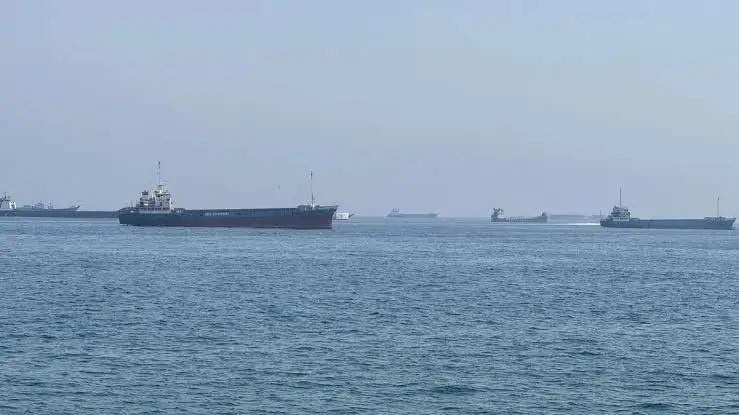

In a major geopolitical development, the United States and Iran have reached a preliminary agreement to reopen the Strait of Hormuz, one of the world's most critical maritime trade routes. The announcement has captured global attention because the strait plays a vital role in international oil transportation and global economic stability. Markets reacted immediately, with oil prices falling and investors expressing cautious optimism about reduced tensions in the Middle East.
The agreement is being viewed as a significant step toward easing a conflict that has disrupted global energy markets and raised concerns about regional security. As negotiations continue, governments, businesses, and energy companies around the world are closely monitoring developments.
What Is the Strait of Hormuz?
The Strait of Hormuz is a narrow waterway located between Iran and Oman. Despite its relatively small size, it serves as one of the most important shipping lanes on the planet. Approximately one-fifth of the world's oil and a significant portion of global liquefied natural gas exports pass through this strategic route.
Because of its importance, any disruption in the Strait of Hormuz can immediately affect global energy prices, shipping costs, and economic confidence. This is why the international community pays close attention whenever tensions arise in the region.
The New US-Iran Agreement
According to reports, the United States and Iran have agreed to a framework that includes reopening the Strait of Hormuz and implementing a 60-day ceasefire period. During this time, both sides are expected to engage in broader diplomatic discussions covering security issues, sanctions, and Iran's nuclear program.
The agreement was reportedly facilitated through international mediation efforts and is expected to be formally signed in Switzerland. Officials from both nations have described the deal as an important first step toward reducing hostilities and restoring stability in the region.
While many details remain under negotiation, the reopening of the strait is considered the most immediate and impactful outcome of the agreement.
Why the World Is Watching Closely
1. Impact on Global Oil Prices
One of the biggest reasons the world is watching is the effect on energy markets. When tensions increased and shipping through the Strait of Hormuz was disrupted, oil prices surged due to fears of supply shortages.
Following news of the agreement, oil prices dropped significantly as traders anticipated the return of normal shipping operations and increased energy supply. Analysts believe a stable Strait of Hormuz could help ease inflationary pressures in many countries.
2. Global Economic Stability
The Strait of Hormuz is essential not only for oil-producing nations but also for major economies that depend on imported energy. Countries across Asia, Europe, and North America rely on uninterrupted energy supplies from the Gulf region.
A prolonged disruption could increase transportation costs, raise fuel prices, and slow economic growth. The reopening agreement therefore offers hope for improved market stability and stronger global trade conditions.
3. Regional Security Concerns
The Middle East remains one of the world's most strategically important regions. Any conflict involving Iran can have broader implications for neighboring countries and international security.
The ceasefire framework is being viewed as an opportunity to reduce military tensions and encourage diplomatic engagement. However, experts caution that long-term peace will depend on successful negotiations during the coming months.
4. Future Nuclear Negotiations
Another major reason for global interest is the future of Iran's nuclear program. Reports indicate that nuclear-related discussions will be a central part of upcoming negotiations between the two sides.
The outcome of these talks could influence international sanctions, regional security arrangements, and diplomatic relations between Iran and Western nations for years to come.
Challenges Ahead
Although the agreement has been welcomed by global markets, challenges remain. Shipping operations may take time to fully return to normal due to security concerns, infrastructure issues, and the need to restore confidence among shipping companies and insurers. Experts suggest that complete normalization could take weeks or even months.
In addition, several political and security issues remain unresolved, making the coming negotiations crucial for determining whether the current framework evolves into a lasting peace agreement.
Conclusion
The decision by the United States and Iran to reopen the Strait of Hormuz marks a potentially historic moment in international diplomacy. As one of the world's most important energy corridors resumes operations, global markets have responded positively, reflecting hopes for greater stability and reduced geopolitical risk. While challenges remain, the agreement represents a meaningful opportunity for dialogue, economic recovery, and regional peace. The world will continue watching closely as both nations work toward a more comprehensive and lasting settlement.
Comments (0)
No comments yet. Be the first to comment!