
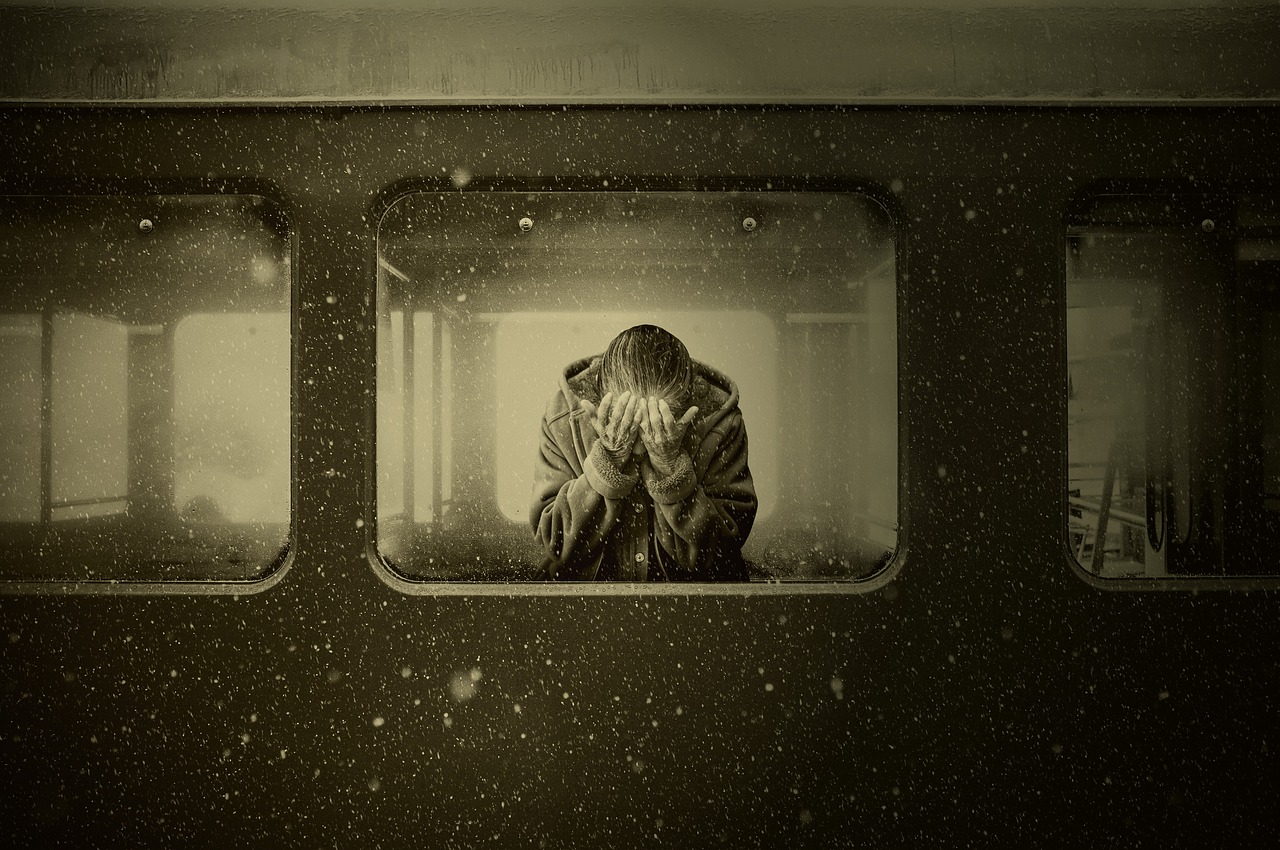
Society · #Poverty · #Inequality · #Society · #Economics
The Invisible Tax of the Poor: Why Poverty Costs More
Being poor is expensive. From higher interest rates to paying more for basic goods, the poor face a hidden surcharge simply because they lack resources.
The Poverty Premium
The poor often pay more for the same goods and services. This 'poverty premium' includes higher interest rates on loans, higher rent for smaller apartments, and more expensive insurance. Lack of bulk-buying power and limited access to cheaper alternatives drive up costs.
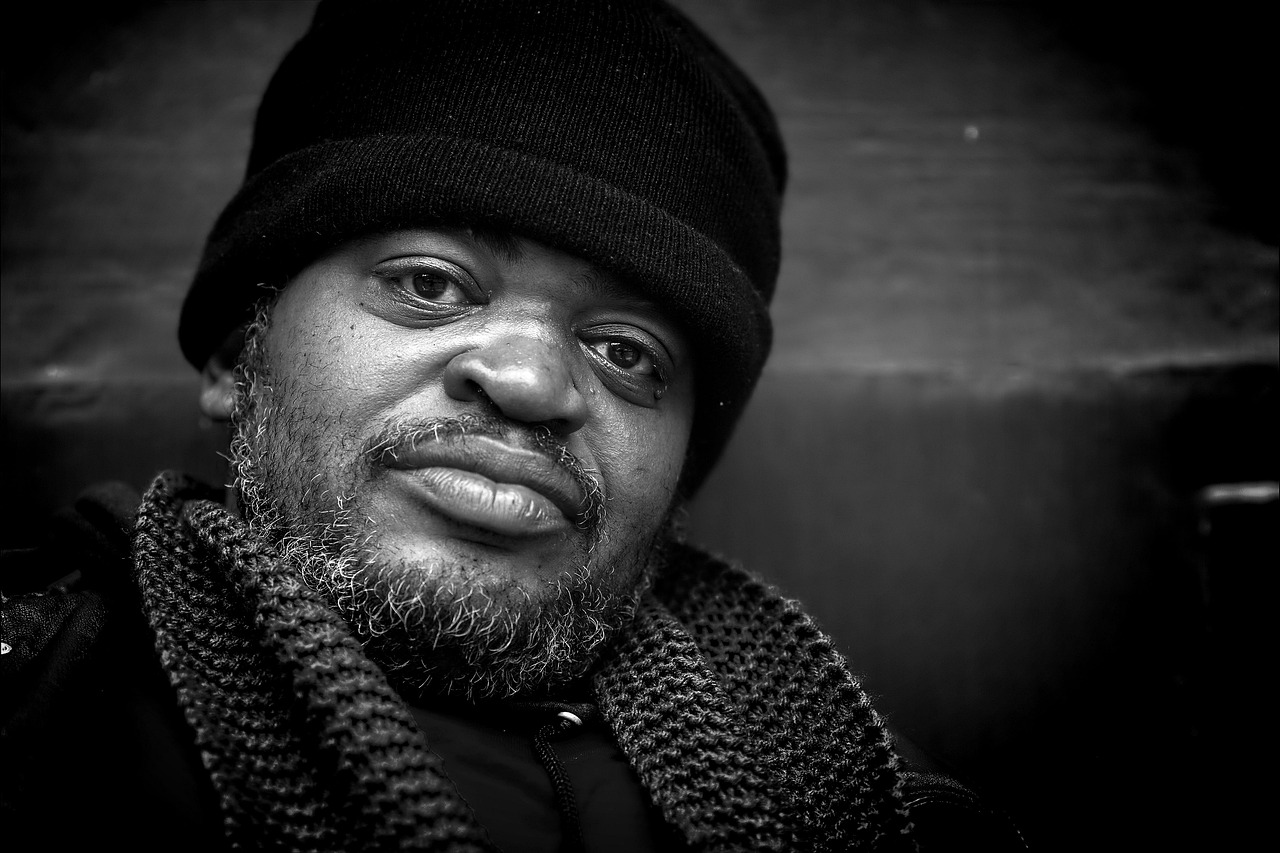
Cost of Being Poor
It is expensive to be poor. The poor pay more for what is necessary, not because they are wasteful, but because they lack the capital to buy in bulk, the credit to get good rates, and the connections to get good deals.
Matthew Desmond, Evicted
Financial Services Trap
Without access to traditional banking, the poor rely on check-cashing stores, payday lenders, and rent-to-own shops. These services charge exorbitant fees and interest rates, trapping people in cycles of debt. A $100 loan can cost $30 in fees over two weeks.

Payday Loans Cycle
Time Poverty
Poverty also costs time. Without a car, poor individuals spend hours on public transportation. Without a washer, they spend hours at laundromats. This 'time poverty' reduces opportunities for work, education, and rest, perpetuating the cycle.
Systemic Change Needed
The poverty premium is not inevitable. Policies like postal banking, community development banks, and rent control can reduce these extra costs. By recognizing and eliminating the invisible tax, we can create a more equitable society.
Enjoyed this?

Written by
Arjun Nair