
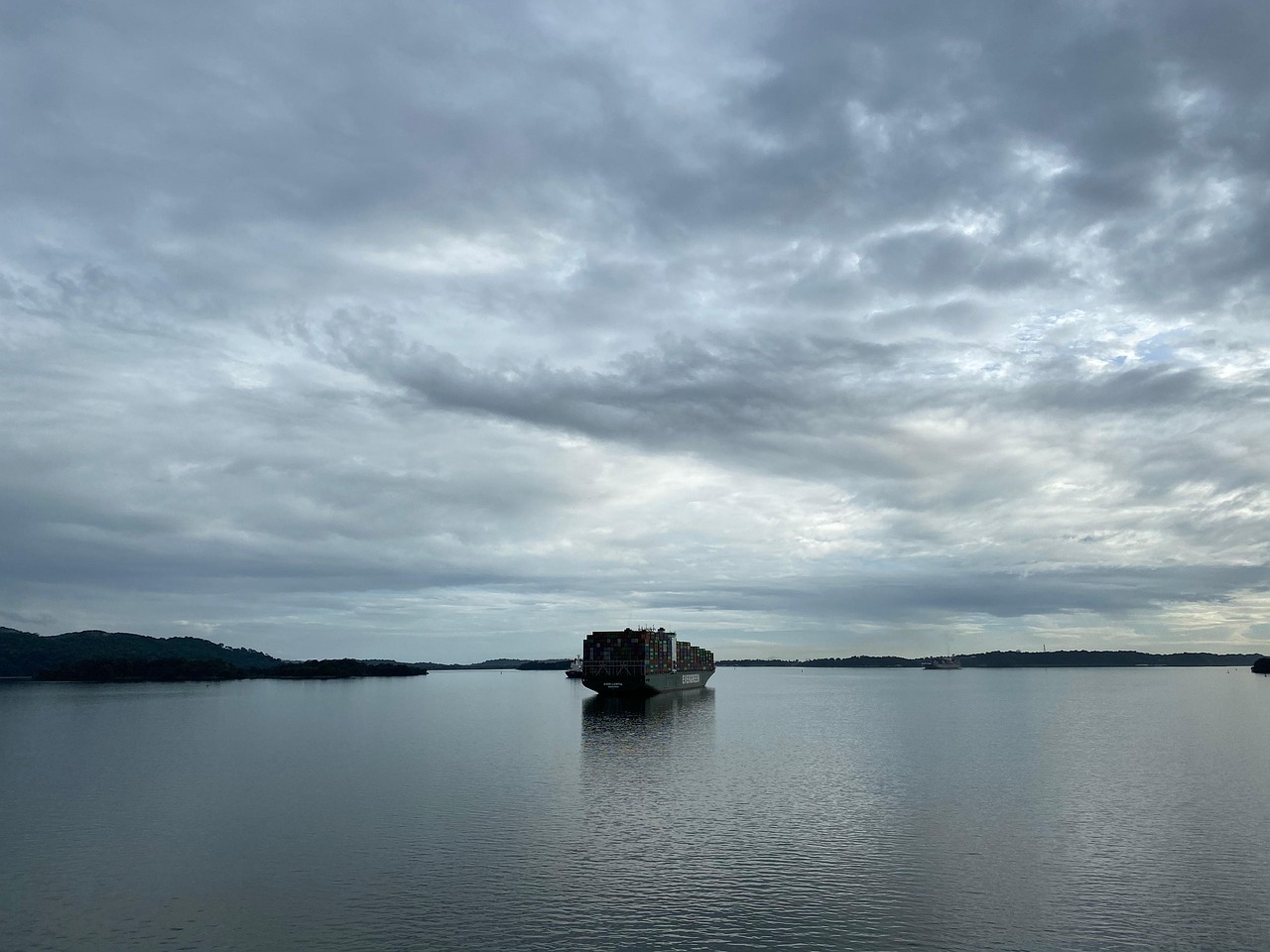

In August 2024, a massive container ship glides through the Panama Canal's expanded locks, carrying 14,000 boxes of electronics, auto parts, and frozen goods from Shanghai to Savannah. This voyage, once impossible, is now routine—yet the canal's expansion, completed in 2016, continues to send shockwaves through global trade. While headlines have moved on, the canal's deeper impact on shipping costs, supply chain strategies, and even geopolitical alliances remains a quiet force shaping our world. Let's dive into how this 50-mile waterway still steers the course of commerce.
The Expansion That Changed the Game
The Panama Canal expansion, officially inaugurated in June 2016, added a third set of locks capable of handling vessels up to 14,000 TEUs (twenty-foot equivalent units)—nearly triple the capacity of the old Panamax ships. This wasn't just a widening; it was a strategic bet on the future of maritime trade. Before the expansion, the largest ships that could transit were limited to about 4,500 TEUs, forcing many mega-vessels to take longer routes around Cape Horn or the Suez Canal.
Today, over 70% of the world's container fleet consists of post-Panamax vessels, and the canal's expansion allowed it to capture a significant share of that traffic. According to the Panama Canal Authority, the new locks handled more than 5,000 transits in 2023, carrying over 200 million tons of cargo. This shift has directly reduced transit times between Asia and the U.S. East Coast by up to 10 days compared to the Suez route, saving shippers millions in fuel and time costs.
How It Reshaped Supply Chains
One of the most profound effects of the canal expansion has been the reconfiguration of global supply chains. Companies that once relied on West Coast ports like Los Angeles and Long Beach now increasingly send goods through East Coast and Gulf Coast ports such as Savannah, Charleston, and Houston. This shift reduces dependence on a single coast and mitigates risks from labor disputes or congestion.
Consider the example of a major retailer like Walmart. By routing more cargo through the Panama Canal to the East Coast, the company can serve its eastern distribution centers faster and cheaper. In fact, a 2023 study by the Journal of Transport Geography found that the expansion led to a 12% increase in container volumes at U.S. East Coast ports within five years.
- Cost savings: Shippers save an average of $200–$500 per container on fuel and transit fees.
- Inventory management: Faster transit allows for leaner inventories, reducing warehousing costs.
- Port investments: U.S. East Coast ports have invested billions in deepening harbors and upgrading cranes to handle larger vessels.
However, the expansion also created new bottlenecks. The larger ships require deeper channels and longer turnaround times, and the canal itself faces water scarcity issues. In 2023, drought conditions forced the Panama Canal Authority to reduce daily transits, causing delays and surging spot rates. This has led some shippers to reconsider their reliance on the canal, exploring alternative routes like the Suez or even the Arctic.
Geopolitical and Environmental Ripples
The canal's expanded capacity has also had notable geopolitical consequences. The United States, historically the canal's largest user, now competes with China for influence in the region. Chinese investments in Latin American ports—such as Chancay in Peru—aim to create alternative gateways that bypass the canal. Meanwhile, the U.S. has increased its focus on the canal as a strategic asset, with the Army Corps of Engineers studying ways to improve water management.
The Panama Canal is not just a waterway; it's a geopolitical chokepoint. Any disruption here—whether from drought, politics, or accidents—can ripple through global markets.
Environmentally, the expansion has had mixed effects. On one hand, larger ships mean fewer trips and lower per-container emissions. A single post-Panamax vessel can carry the same cargo as two smaller ships, cutting fuel consumption by up to 25%. On the other hand, the canal's operations require enormous amounts of fresh water—about 50 million gallons per transit—which exacerbates water stress in a region already facing climate change impacts. The canal authority has implemented water-saving basins and is exploring desalination, but these measures come at a high cost.
The Future: Challenges and Adaptations
Looking ahead, the Panama Canal faces daunting challenges. Climate change is reducing rainfall in the region, and 2023 saw the lowest water levels in decades. To adapt, the canal authority has imposed draft restrictions on ships and auctioned transit slots to the highest bidders, sometimes costing over $1 million per slot. These measures have raised concerns about equity, as smaller shippers are priced out.
Another looming issue is competition. The Suez Canal has also been expanded, and the potential for a Nicaragua Canal—though currently stalled—remains a threat. Additionally, the growth of Arctic shipping routes due to melting ice could eventually offer shorter paths between Asia and Europe, though infrastructure and regulatory hurdles remain significant.
- Water conservation: The canal is investing in water recycling and cloud seeding to boost rainfall.
- Infrastructure upgrades: Plans include deepening the new locks to accommodate larger ships.
- Digitalization: A new scheduling system aims to reduce wait times and improve efficiency.
Despite these challenges, the canal remains a vital artery. In 2024, the expansion continues to pay dividends by enabling trade that would otherwise be impossible. For example, the shipment of liquefied natural gas (LNG) from the U.S. Gulf to Asia has boomed, with the canal now handling 70% of U.S. LNG exports to Asia. This trade alone has reshaped global energy markets, making the U.S. a major LNG supplier.
Frequently Asked Questions
How much did the Panama Canal expansion cost?
The expansion project cost approximately $5.25 billion and took nearly a decade to complete. It was funded through toll increases and loans from international development banks.
What types of ships can now use the canal?
The expanded locks can accommodate vessels up to 14,000 TEUs, including large container ships, LNG carriers, and some cruise ships. The maximum length is 366 meters, and the maximum beam is 49 meters.
How has the expansion affected toll prices?
Tolls have increased significantly, especially for larger vessels. A typical post-Panamax container ship pays around $300,000 to $500,000 per transit, though prices vary based on demand and slot auctions. Smaller ships benefit from the old locks, which have lower fees.
Final Thoughts
The Panama Canal expansion was a monumental engineering feat that continues to reshape global trade in ways both visible and subtle. It has shortened supply chains, shifted port dynamics, and created new opportunities—while also exposing vulnerabilities to climate and geopolitics. As we move through 2024, the canal remains a critical test case for how infrastructure must adapt to a changing world. Whether it's the next mega-ship passing through or the next drought, the ripple effects will be felt far beyond its banks.
Comments (0)
No comments yet. Be the first to comment!