
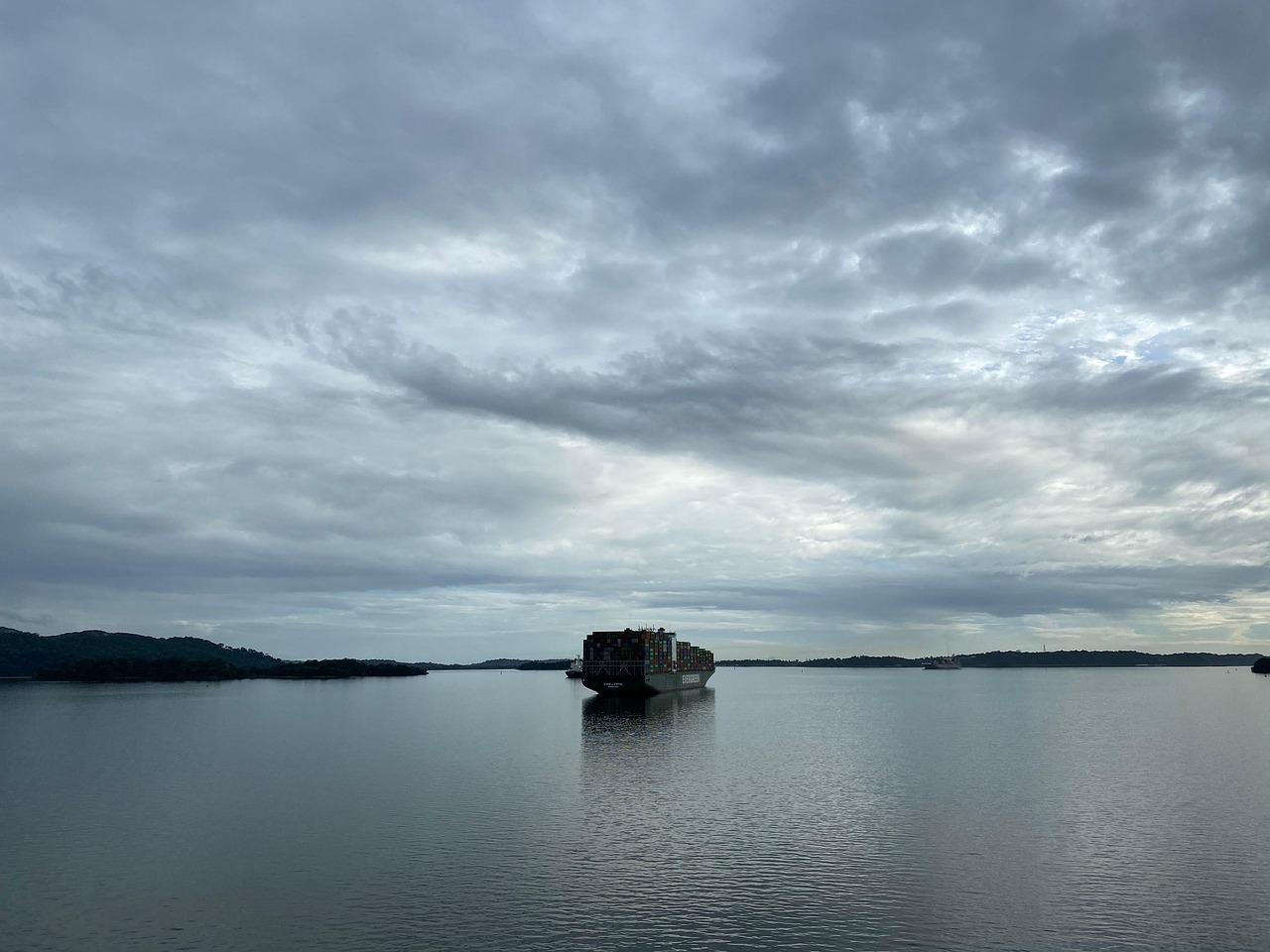

In 2016, the Panama Canal opened its expanded locks, allowing ships nearly three times larger than before to pass through. This wasn't just an engineering feat—it fundamentally altered global trade flows. By 2024, the effects are still rippling through supply chains, affecting everything from the price of consumer goods to the strategic importance of ports worldwide. But what does this mean for the average person? Let's break it down.
The Basics of the Expansion
The original Panama Canal, completed in 1914, could handle ships up to about 5,000 TEUs (twenty-foot equivalent units). The expansion added a third lane of locks, enabling ships of up to 14,000 TEUs to transit. That's a massive leap in capacity. The project cost over $5 billion and took nearly a decade to complete.
The new locks use water-saving basins to reduce water loss, addressing environmental concerns. They also feature a state-of-the-art traffic management system to handle the increased vessel size. But the real game-changer is the economic impact.
Impact on Global Shipping Routes
Before the expansion, many large container ships had to take the longer route around Cape Horn or the Suez Canal to move goods between Asia and the US East Coast. The expanded canal opened a direct, shorter path. This has shifted trade patterns significantly.
- Reduced transit times: A ship from Shanghai to New York can save about 5-7 days compared to going through the Suez Canal.
- Lower costs: Shorter routes mean less fuel and lower operating costs, which can translate into cheaper goods for consumers.
- Increased capacity: Larger ships mean more goods per transit, further reducing per-unit shipping costs.
However, the expansion also created bottlenecks. The canal's capacity to handle these larger ships is limited by the size of the locks and the water supply. In 2023, drought conditions forced the canal authority to reduce the number of daily transits, causing delays and higher fees. This highlighted a vulnerability in global supply chains.
The Panama Canal expansion was supposed to be a smooth conduit for global trade. Instead, it has become a pinch point, subject to the whims of weather and geopolitical tensions.
Effects on Ports and Infrastructure
The arrival of larger ships has forced ports on both coasts of the Americas to upgrade their infrastructure. Ports like New York/New Jersey, Savannah, and Houston have deepened their channels and expanded their cranes to handle these mega-ships. In Latin America, ports in Colombia, Panama, and Mexico have also invested heavily.
But not all ports are ready. Some smaller ports have lost business as shipping lines consolidate services to focus on hubs that can handle the large vessels. This has led to a concentration of cargo at a few major ports, increasing congestion and the risk of delays.
For example, the Port of Baltimore, while deep enough for some large ships, lacks the on-dock rail connections that make ports like Norfolk competitive. As a result, some shipping lines have bypassed Baltimore for the bigger ports. This has ripple effects on local economies and employment.
Environmental and Economic Trade-offs
The expansion was promoted as a greener alternative to longer routes. Larger ships are more fuel-efficient per container, and the shorter distance reduces emissions. However, the canal itself is a water-intensive operation. Each lockage uses about 52 million gallons of water. In a drought, this is a problem.
Moreover, the increased traffic has raised concerns about invasive species being transported in ballast water. The canal authority has implemented strict regulations to mitigate this, but the risk remains.
Economically, the expansion has been a boon for Panama. Toll revenues have increased, and the country has seen growth in logistics and financial services. However, the benefits are not evenly distributed. Smaller shippers and developing countries may find it harder to compete as shipping lines prioritize larger vessels and fewer port calls.
Frequently Asked Questions
How much did the Panama Canal expansion cost?
The expansion project cost approximately $5.25 billion, funded through toll increases and loans from international development banks.
What are the limits of the expanded canal?
The new locks can handle ships up to 14,000 TEUs, but the maximum length is 1,200 feet, beam is 160 feet, and draft is 50 feet. Ships that exceed these dimensions cannot transit.
How does the expansion affect consumer prices?
By reducing shipping costs and transit times, the expansion can lower the price of imported goods. However, factors like fuel costs, labor, and tariffs also play a role, so the effect is not always direct.
Final Thoughts
The Panama Canal expansion has been a double-edged sword. It has made global trade more efficient in many ways, but it has also introduced new vulnerabilities and inequalities. As we look to the future, the canal's ability to adapt to climate change and geopolitical shifts will be crucial. For now, it remains a vital artery of commerce, pulsing with the rhythm of the world economy.

Comments (0)
No comments yet. Be the first to comment!