
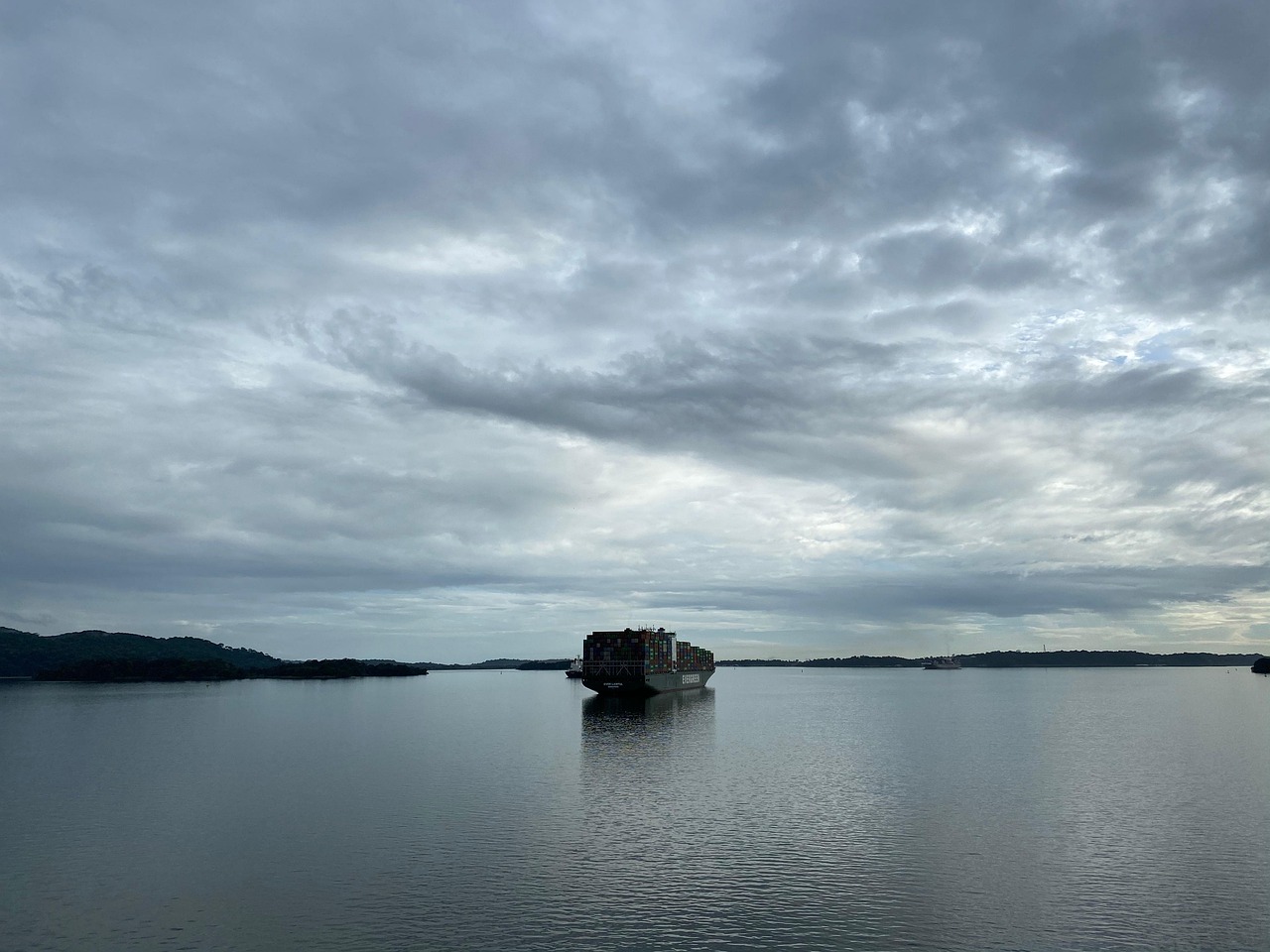

In 2016, the Panama Canal opened its third set of locks, a $5.4 billion expansion that promised to transform global shipping. Nearly a decade later, the effects are still rippling through supply chains, altering trade patterns, and challenging ports worldwide. But why does this matter to someone who doesn't work in shipping? Because the canal's expansion affects the cost of everything from your smartphone to your morning coffee. Let's dive into how this engineering marvel continues to shape our interconnected world.
The Expansion in a Nutshell: What Changed?
The original Panama Canal, completed in 1914, was a marvel of its time. But by the early 2000s, it was becoming a bottleneck. The old locks could only handle ships up to 4,400 TEUs (twenty-foot equivalent units), known as Panamax vessels. As global trade grew, so did ships. The largest container ships—called New Panamax or Neopanamax—could carry over 12,000 TEUs, but they were too big for the old canal.
The expansion created a third lane of locks, 60% wider and 40% longer than the original. This allowed Neopanamax ships to transit, effectively doubling the canal's capacity. The project also deepened and widened the navigation channels, reducing transit times and increasing safety.
- New locks: 1,400 feet long, 180 feet wide, 60 feet deep
- Water-saving basins: Each lock chamber reuses 60% of the water, addressing drought concerns
- Increased capacity: From 300 million to 600 million tons per year
The expansion wasn't just about bigger ships. It was about keeping the canal relevant. Without it, the canal would have lost market share to alternative routes like the Suez Canal or the US intermodal rail system.
How the Expansion Reshaped Global Trade Routes
Before the expansion, the largest ships crossing the canal were limited to about 5,000 TEUs. Today, ships carrying up to 14,000 TEUs regularly transit. This has had a dramatic effect on trade flows, particularly between Asia and the US East Coast.
Previously, many Asian exports to the US East Coast were shipped to West Coast ports (like Los Angeles or Long Beach) and then moved by rail or truck to the East. The expansion made all-water routes via the Panama Canal more cost-effective. A single ship can now carry more cargo directly to East Coast ports like Savannah, New York, or Charleston, reducing transit times and costs.
"The Panama Canal expansion has fundamentally altered the competitive landscape for US ports. East Coast ports have invested billions in deepening harbors and expanding terminals to accommodate Neopanamax ships." — Maritime logistics analyst
This shift has also impacted the US West Coast. Ports like Los Angeles now face more competition, and some cargo has been diverted away. However, the West Coast still handles a huge volume, especially for time-sensitive goods that need faster transit. The expansion hasn't eliminated the West Coast's role, but it has rebalanced the flow.
Other trade routes have been affected too. For example, the canal now captures more container traffic from Asia to the US Gulf Coast, and it remains a vital artery for liquefied natural gas (LNG) from the US to Asia. Before the expansion, LNG tankers couldn't use the canal; now they do, opening new markets.
Economic and Environmental Impacts
The expansion has delivered significant economic benefits. The Panama Canal Authority's revenue has grown, contributing over $1 billion annually to Panama's government. For shippers, the ability to use larger ships has lowered per-container costs on many routes. A study by the International Transport Forum found that the expansion reduced shipping costs between Asia and the US East Coast by up to 10%.
But there are also challenges. The larger ships mean that ports must invest in deeper channels, larger cranes, and more extensive rail connections. Not all ports can afford these upgrades, so some have been left behind. Additionally, the canal faces competition from the Suez Canal and even the Arctic route as ice melts.
Environmentally, the expansion offers mixed results. Larger ships are generally more fuel-efficient per container, reducing emissions per unit of cargo. However, the canal's construction involved massive earthmoving and concrete, with a significant carbon footprint. Water usage remains a concern: each transit uses about 52 million gallons of fresh water, which is released into the ocean. The expansion's water-saving basins help, but droughts in Panama have forced draft restrictions, limiting how much cargo ships can carry.
- Lower shipping costs for many routes, benefiting consumers
- Increased port competition, driving investment and efficiency
- Environmental trade-offs: lower per-unit emissions but high water consumption
Challenges and the Future of the Canal
The Panama Canal isn't resting on its laurels. It faces several challenges, including climate change, competition, and geopolitical shifts. Droughts in 2023 and 2024 forced the canal to reduce daily transits and impose draft limits, causing delays and higher costs. This highlighted the canal's vulnerability to water scarcity.
To address this, the canal is investing in water management projects, including reservoirs and water recycling systems. It's also exploring alternative water sources, such as desalination, though that is energy-intensive.
Competition is another issue. The Suez Canal handles larger ships (up to 20,000 TEUs) and has no water constraints. However, the Suez Canal has its own geopolitical risks, as the 2021 blockage of the Ever Given showed. The Arctic route, while shorter for some Asia-Europe routes, is seasonal and requires ice-strengthened ships.
Looking ahead, the Panama Canal plans to further expand capacity by optimizing transit scheduling and potentially building a fourth set of locks, though that would be a massive project. The canal's role in global trade will likely remain crucial, but it will need to adapt to a changing world.
Frequently Asked Questions
How much does it cost to transit the Panama Canal?
Tolls vary based on ship size, type, and cargo. For a Neopanamax container ship, tolls can exceed $500,000. Smaller vessels pay much less. The average toll is around $150,000.
What is the difference between Panamax and Neopanamax?
Panamax ships are the maximum size that could fit the original canal locks: about 965 feet long, 106 feet wide, and 39.5 feet deep. Neopanamax ships are larger, up to 1,200 feet long, 160 feet wide, and 50 feet deep, designed to fit the expanded locks.
How long does it take to transit the Panama Canal?
Typically, a transit takes 8-10 hours from ocean to ocean. However, waiting times can add days, especially during peak periods or when draft restrictions are in place.
Final Thoughts
The Panama Canal expansion was a bet on the future of global trade, and it has largely paid off. It has enabled larger ships, lowered costs, and reshaped trade routes. But it also introduced new challenges, from water scarcity to port infrastructure demands. As the world moves toward decarbonization and faces climate uncertainty, the canal's ability to adapt will determine its relevance for decades to come. For anyone involved in global commerce—or just buying imported goods—the Panama Canal remains a quiet but powerful force shaping our world.

Comments (0)
No comments yet. Be the first to comment!