

In 2023, the Panama Canal—one of the world's most vital trade arteries—ran dry. Literally. A historic drought forced authorities to slash ship crossings by over 30%, creating a bottleneck that sent shockwaves through global supply chains. If you’ve noticed higher prices on store shelves or delayed deliveries, this might be why. But the crisis goes far beyond shipping delays. It’s a stark warning about how climate change, infrastructure limits, and geopolitical tensions are converging to reshape the global economy. Here’s what you need to know.
The Backbone of Global Trade Is Under Threat
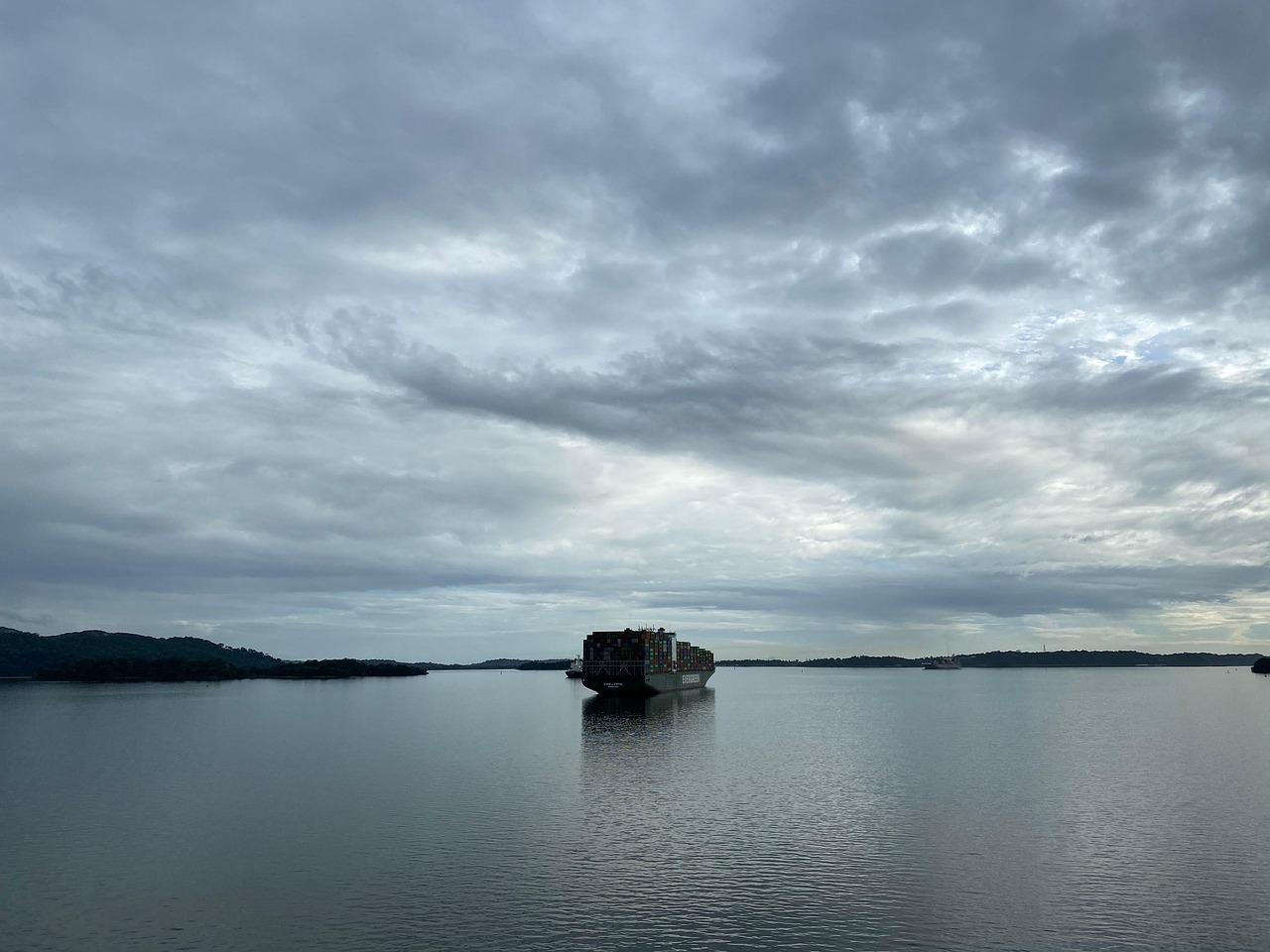
The Panama Canal handles about 6% of global maritime trade, connecting the Atlantic and Pacific Oceans. Every year, over 13,000 vessels pass through its 50-mile locks, carrying everything from natural gas to soybeans. But the canal depends on freshwater from artificial lakes—mainly Gatun Lake and Alhajuela Lake—to operate its lock system. When those lakes run low, so does the canal’s capacity.
In 2023, rainfall in the canal region hit its lowest level in over 70 years. By December, Gatun Lake’s water level had dropped to a record low. The Panama Canal Authority (ACP) responded by reducing daily transits from 36 to 22 ships, and later to 24, with further cuts possible. This isn’t just a seasonal hiccup; scientists warn that climate change could make such droughts more frequent and severe. The canal, once a marvel of engineering, is now a symbol of our vulnerability to a changing climate.
- Economic impact: Every day of reduced capacity costs the global economy an estimated $200 million in delayed goods and higher shipping costs.
- Ripple effects: Prices for consumer goods, energy, and food have already spiked, hitting developing nations hardest.
- Long-term risk: Without major adaptations, the canal could become unreliable, forcing shipping companies to seek alternatives.
How the Drought Is Reshaping Global Shipping Routes
When the canal restricts traffic, shipping companies scramble. Some pay exorbitant fees—up to $4 million per ship—to jump the queue at auction. Others reroute around Cape Horn or through the Suez Canal, adding weeks to voyages and burning more fuel. This not only raises costs but also increases carbon emissions, creating a vicious cycle that worsens climate change.
For example, in early 2024, a major shipping line announced it would shift some cargo from the Panama Canal to the Suez Canal. But the Suez has its own problems—political instability and a separate drought in the region. The result is a global shipping system that is increasingly fragile. Smaller ports in Latin America and the Caribbean are seeing a surge in traffic as ships seek alternative routes, but they lack the infrastructure to handle the volume. The drought is exposing just how dependent we’ve become on a few narrow chokepoints.
“The Panama Canal drought is a wake-up call. It shows that our global trade network is only as strong as its weakest link—and that link is water.” — Dr. Maria Santos, climate policy analyst
Meanwhile, the ACP is investing in water-saving measures like recirculation basins and dredging to deepen the canal’s reservoirs. But these are stopgaps. The real solution—building a new reservoir or desalination plant—would cost billions and take years. Some experts suggest that the canal could eventually face a “new normal” of reduced capacity, forcing the global economy to adapt to a less connected world.
The Human Cost: From Farmers to Consumers
While headlines focus on container ships, the drought’s impact reaches far beyond ports. In Central America, farmers who rely on canal-related jobs are losing income. In the U.S., Midwest farmers who export soybeans via the canal are seeing their profits shrink as shipping costs soar. And for consumers, the price of everything from electronics to clothing is creeping upward.
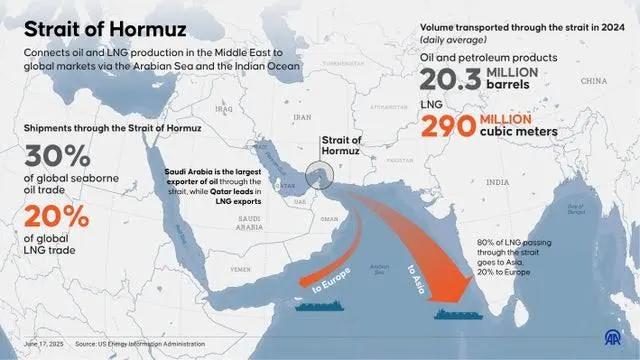
Take the example of liquefied natural gas (LNG). The U.S. exports LNG through the canal to Asia and South America. With fewer transits, LNG tankers face delays, causing price spikes in energy markets. In Europe, which is already grappling with energy shortages from the Ukraine war, this adds another layer of instability. The drought is a reminder that environmental shocks don’t stay in one place—they cascade through the global economy.
- Food prices: Grain shipments from the U.S. Gulf to Asia are delayed, raising costs for basic staples.
- Energy costs: LNG and oil shipments face bottlenecks, driving up heating and electricity bills.
- Consumer goods: Retailers like Walmart and Amazon report longer lead times and higher freight costs, which are passed on to shoppers.
What Can Be Done? The Search for Solutions
The Panama Canal drought has no easy fix. Short-term measures like water rationing and queue fees only go so far. Medium-term, the ACP is exploring cloud seeding to boost rainfall, but results are uncertain. Long-term, the most promising solution is a new reservoir on the Indio River, which could supply enough water for both the canal and local communities. However, the project faces environmental opposition and a price tag of $2.5 billion.
Beyond the canal, the crisis is spurring broader conversations about resilience. Shipping companies are diversifying routes and investing in more fuel-efficient ships. Governments are reconsidering the strategic importance of trade chokepoints. And climate adaptation is becoming a priority for businesses worldwide. The lesson is clear: we can’t take critical infrastructure for granted.
Some argue that the canal itself may become obsolete if droughts persist. But that’s unlikely in the near term. Instead, we’ll probably see a hybrid system where the canal operates at reduced capacity, with more goods traveling by rail or through alternative routes like the Arctic (as ice melts). The Panama Canal drought is a preview of the trade-offs we’ll face in a warming world.
Frequently Asked Questions
How does the Panama Canal drought affect global trade?
The drought reduces the number of ships that can pass through the canal daily, causing delays and raising shipping costs. This disrupts supply chains for goods like fuel, food, and electronics, ultimately increasing prices for consumers worldwide.
Is the Panama Canal drought caused by climate change?
While the immediate cause is low rainfall, scientists link the increased frequency and severity of such droughts to climate change. Rising global temperatures alter precipitation patterns, making the region more prone to dry spells.
What is the Panama Canal Authority doing to address the drought?
The ACP has implemented water-saving measures like recirculation basins, reduced daily transits, and auctioned off slots to manage demand. It is also studying long-term solutions such as building a new reservoir, cloud seeding, and dredging to deepen reservoirs.
Final Thoughts
The Panama Canal drought is not just a shipping problem—it’s a global wake-up call. It shows how environmental stress can cascade through the economy, affecting everyone from farmers to consumers. As the world warms, such crises will become more common. The choices we make now—investing in resilient infrastructure, diversifying trade routes, and cutting emissions—will determine whether we adapt or suffer the consequences. The canal’s water level may rise again, but the lesson should stay with us: we ignore the limits of our planet at our peril.
Comments (0)
No comments yet. Be the first to comment!