
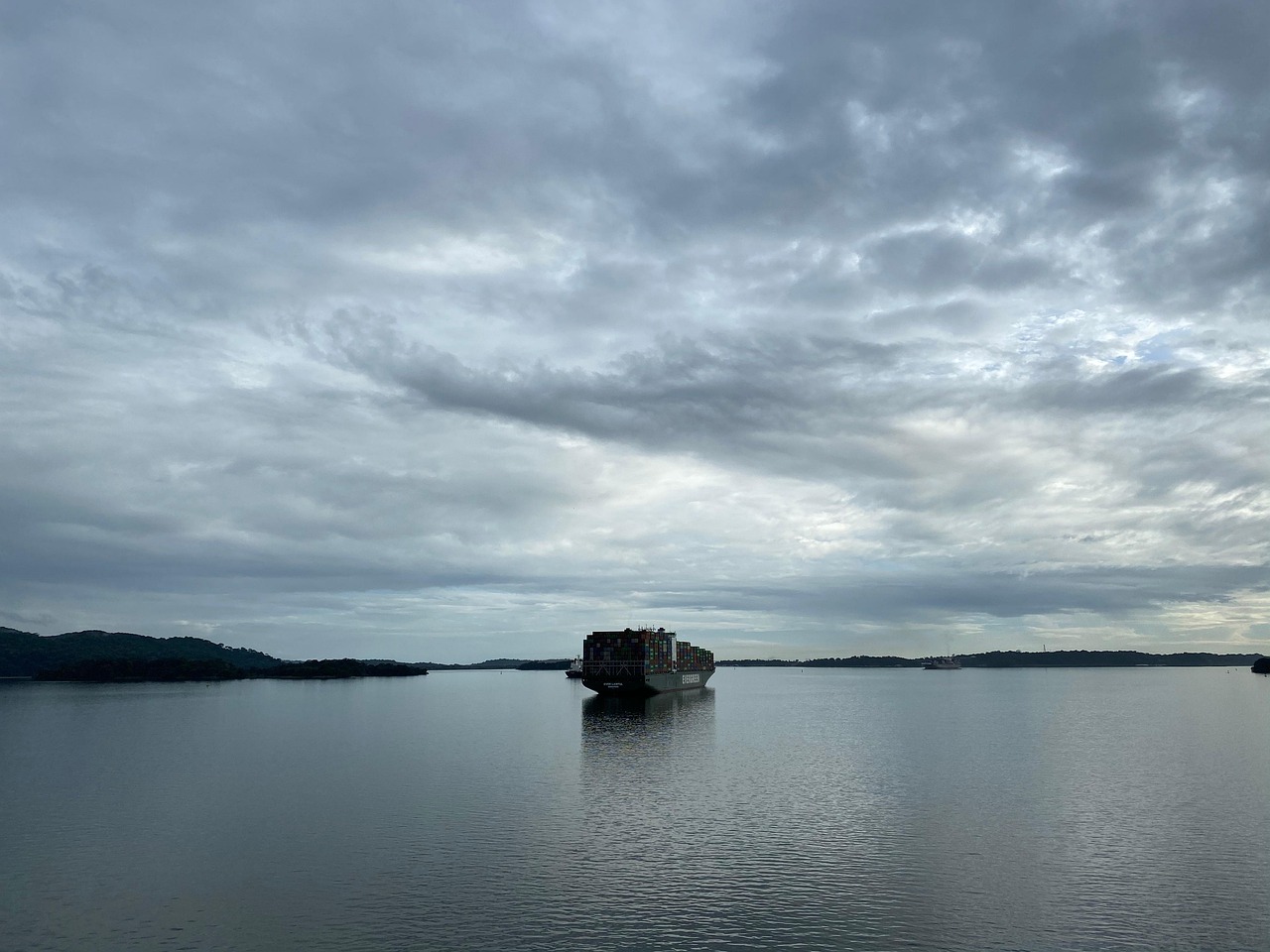
In 2016, the Panama Canal opened its third set of locks, a $5.4 billion expansion that allowed much larger ships to pass through. Since then, the canal has fundamentally altered global shipping routes, affecting everything from the cost of your groceries to the balance of power between ports on the US East and West Coasts. But what exactly changed, and why should you care? Let’s break down the real-world impact of this massive engineering project.
The Old Canal vs. The New Locks
Before the expansion, the Panama Canal could only accommodate ships up to about 4,400 TEUs (twenty-foot equivalent units). These were called Panamax vessels. Anything larger—like the massive Neopanamax ships that now carry up to 14,000 TEUs—had to sail around South America’s Cape Horn or through the Suez Canal. The expansion created a new lane of locks that are 70% wider and longer, allowing these behemoths to transit.
Today, nearly all container ships calling at US East Coast ports are Neopanamax. The new locks have also enabled the growth of liquefied natural gas (LNG) shipments from the US Gulf Coast to Asia, a trade that barely existed before 2016.
- Old locks: 304.8 m long, 33.5 m wide, 12.6 m deep
- New locks: 427 m long, 55 m wide, 18.3 m deep
- Maximum vessel capacity: from ~5,000 TEUs to ~14,000 TEUs
Shifting Trade Routes and Port Dynamics
The expansion has reshaped which ports thrive. On the US East Coast, ports like Savannah, Charleston, and New York-New Jersey have spent billions dredging harbors and raising bridges to handle bigger ships. Meanwhile, West Coast ports like Los Angeles and Long Beach, once the undisputed gateways for Asian goods, have seen their market share slip as more cargo goes directly to the East Coast via the canal.
For example, in 2015, about 70% of Asian imports entered through West Coast ports. By 2023, that figure dropped to around 60%, with the rest sailing through the canal to East Coast destinations. This shift reduces the need for cross-country rail or truck transport, cutting costs and carbon emissions for some shippers.
“The Panama Canal expansion has been a game-changer for East Coast ports. It’s not just about bigger ships; it’s about rethinking the entire logistics network.” — Port Authority official, Journal of Commerce, 2022
The Economic Ripple Effects
Bigger ships mean lower per-container shipping costs—but only if the canal can handle them. The expansion has increased the canal’s annual capacity from 300 million to over 600 million PCUMS (Panama Canal Universal Measurement System) tons. However, drought has recently forced the canal to reduce daily transits, creating bottlenecks and driving up shipping rates.
For consumers, the canal expansion has contributed to the availability of cheaper goods from Asia on the US East Coast, but it has also made supply chains more vulnerable to disruptions. The 2021 Ever Given incident in the Suez Canal showed how a single blockage can ripple globally; the Panama Canal’s drought-induced restrictions in 2023-2024 have had similar effects, delaying shipments and raising costs for everything from electronics to furniture.
- Lower shipping costs for East Coast imports
- Increased competition between US coasts
- Growth of LNG exports from the US Gulf
- New challenges from climate change and water scarcity
Environmental and Geopolitical Considerations
The expansion has environmental trade-offs. Larger ships are more fuel-efficient per container, reducing carbon emissions per unit of cargo. But the canal itself relies on freshwater from Gatun Lake, and each transit uses about 200 million liters of water. Droughts have forced the canal to impose draft restrictions, limiting how much cargo ships can carry. This has led to calls for alternative routes, like the Arctic’s Northern Sea Route, or for expanding the canal’s water supply.
Geopolitically, the canal remains a linchpin of US trade and security. The US is the canal’s largest user, accounting for about 70% of traffic. China has also increased its presence, investing in ports in Panama and elsewhere in Latin America. The expansion has made the canal more important than ever, and any disruption—whether from climate, politics, or infrastructure—has global consequences.
Frequently Asked Questions
How much did the Panama Canal expansion cost?
The expansion project cost approximately $5.4 billion, funded by the Panama Canal Authority through toll increases and loans. It was completed in 2016 after a contentious referendum and years of construction.
What types of ships can now use the Panama Canal?
The new locks can accommodate Neopanamax vessels, which are up to 14,000 TEUs, as well as large LNG carriers and some cruise ships. However, the largest container ships (over 18,000 TEUs) still cannot fit and must use the Suez Canal or other routes.
How has the expansion affected tolls?
Tolls have increased significantly since the expansion, especially for larger vessels. The average toll for a container ship is now around $150,000 per transit, but fees can exceed $1 million for the largest ships. The canal uses a complex pricing system based on vessel size, cargo, and transit demand.
Final Thoughts
The Panama Canal expansion is far more than an engineering marvel—it is a living experiment in how infrastructure can reshape global trade. It has lowered costs, shifted port hierarchies, and created new opportunities and vulnerabilities. As climate change threatens the canal’s water supply and geopolitical tensions simmer, the decisions made in Panama will continue to influence the flow of goods around the world. Understanding this transformation helps us see the hidden connections in our everyday lives, from the price of a TV to the security of global supply chains.
Comments (0)
No comments yet. Be the first to comment!