
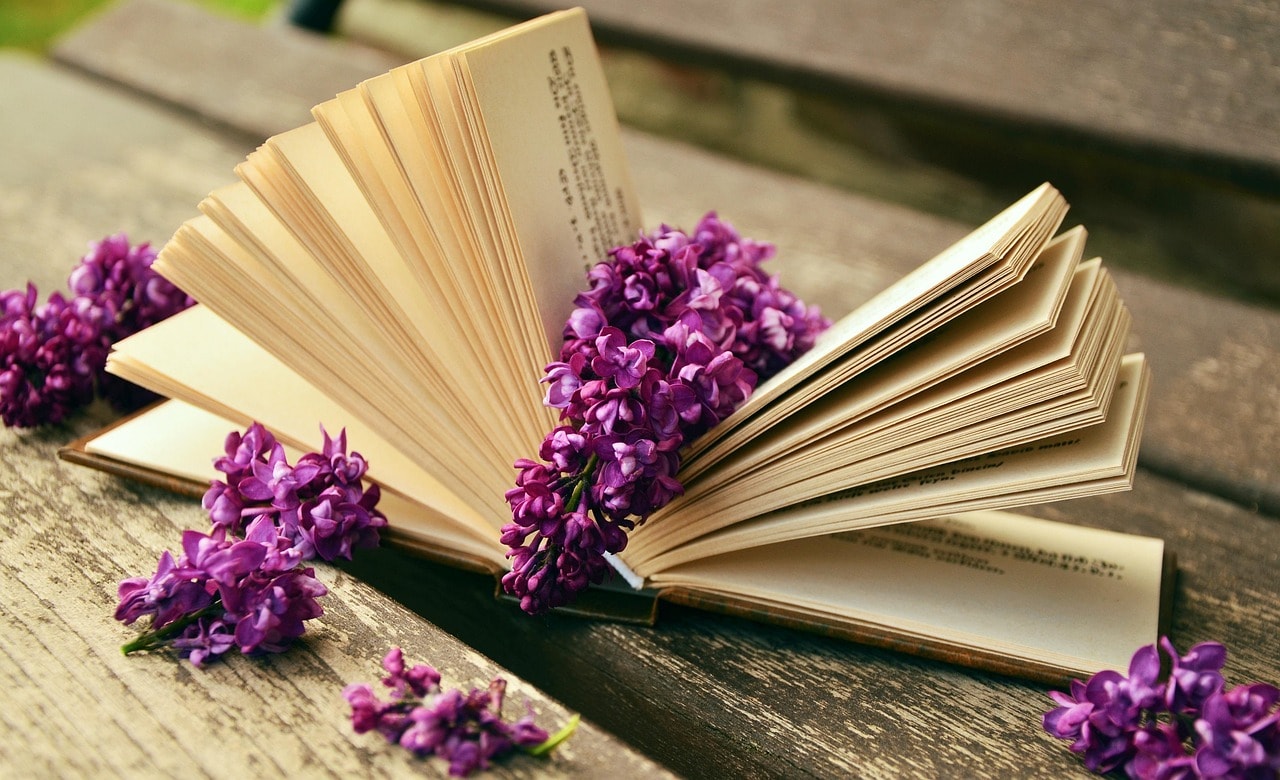

I was twenty-three, broke, and working the night shift at a gas station in a town that rolled up its sidewalks at 9 p.m. The only entertainment was a rotating rack of paperbacks someone had left behind—mostly thrillers with cracked spines and a few literary novels no one wanted. One night, I grabbed a worn copy of Mrs. Dalloway. I’d heard of Virginia Woolf but never read her. I figured it would be a slog, something to pass the hours between customers.
It was a slog. The first twenty pages took me three nights. I kept losing the thread of who was speaking, where they were, what year it was. I nearly gave up. But there was one sentence—something about how a wave collects itself and then breaks—that stopped me cold. I read it five times. I didn’t understand it, exactly, but I felt it. That tiny moment of confusion and then recognition changed how I read everything after.
Before that, I read like I was checking boxes. Finish the book, add it to the list, move on. I’d speed-read through plot, skip description, and pat myself on the back for getting through three books in a week. But Mrs. Dalloway refused to be sped through. It demanded I sit with each sentence, let the language wash over me, and accept that I wouldn’t get everything on the first pass. That’s when I realized: I wasn’t really reading. I was consuming.
Reading as an act of attention
Most of us learn to read for information. We skim articles, jump to the bullet points, and call it a day. That’s fine for a news roundup or a recipe. But when we bring that same approach to literature, we rob ourselves of the very thing that makes reading worthwhile: the slow accumulation of meaning.
Take the opening of Beloved by Toni Morrison: “124 was spiteful. Full of a baby’s venom.” Six words, and already you’re unsettled. You don’t know what 124 is, or why it’s spiteful, or what a baby’s venom means. If you race ahead, you’ll miss the way Morrison plants unease in your body before she explains anything. The book works on you before you understand it.
That’s the difference between reading for plot and reading for experience. Plot is what happens. Experience is what it does to you. And the latter requires attention—the kind you can’t fake.
“A book is a heart that only beats in the chest of another.” — Rebecca Solnit
I started keeping a pencil in my hand. Not to underline important quotes, but to mark places where I felt something—confusion, delight, irritation. I’d write tiny notes in the margins: “why this word?” or “what just happened?” Sometimes I’d reread a page three times and still not get it. That was okay. The point wasn’t to master the book. It was to let the book master me.
The myth of the well-read person
We live in a culture that treats reading like a competitive sport. Goodreads challenges, “books read this year” counters, endless recommendations. There’s nothing wrong with wanting to read more, but the pressure to rack up titles can turn reading into a chore. I’ve met people who brag about finishing a book in a day, as if speed were a virtue. But what did they retain? What changed in them?
I’m not saying you should read every book at a snail’s pace. Some books are meant to be devoured—a good mystery, a beach read, a memoir that pulls you along. But even then, there’s a difference between reading fast and reading carelessly. The test is simple: can you remember a single sentence a week later? If not, you probably weren’t reading. You were scrolling.
My friend Clara is a librarian. She reads about fifty books a year, but she’s the slowest reader I know. She’ll spend a month on a single novel, carrying it around like a pet. She says she likes to “live inside” a book. When she finishes, she can tell you not just what happened but how the sentences felt. She can quote passages from memory. That’s not talent. That’s practice.
How to read like it matters
After years of trial and error, I’ve landed on a few habits that keep me honest. They’re not rules. They’re reminders.
- Read with a pencil. Mark what moves you, what confuses you, what you want to remember. The act of writing slows you down and deepens the imprint.
- Reread the same page. If a paragraph doesn’t land, read it again. And again. Good writing rewards patience.
- Ask questions. Why did the author choose that word? Why does this scene feel off? Curiosity turns reading from passive to active.
- Let a book sit. When you finish, don’t rush to the next one. Give yourself a day or two to absorb it. You’ll be surprised what surfaces.
None of this is revolutionary. But it’s countercultural. It goes against the grain of productivity culture, which wants everything optimized, including our leisure. Reading slowly is a small rebellion. It says: this matters enough to take time.
What I found on the other side
I still have that gas-station copy of Mrs. Dalloway. The cover is torn, the pages are yellow, and there’s a coffee stain on page 112. But it’s the most valuable book I own, because it taught me how to read. Not the mechanics—I learned that in first grade. But the why. The way a sentence can rearrange your insides. The way a character can become more real than your neighbor. The way a book can change you, if you let it.
These days, I read fewer books than I did in my twenties. Maybe twenty a year. But I remember them. I can tell you where I was when I read certain passages, what I was feeling, what I wrote in the margins. That’s the trade-off: less quantity, more life.
If you take anything from this, let it be this: the next time you pick up a book, don’t try to finish it. Try to let it finish you. Sit with the words. Argue with them. Fall in love with a sentence. The book will wait. It’s patient. It’s been waiting for you all along.
Comments (0)
No comments yet. Be the first to comment!