5 myths about the world that travel taught me to unlearn
I packed a backpack expecting to collect stamps. What I collected instead were five maps that had been drawn wrong.
The border is not a line on the ground
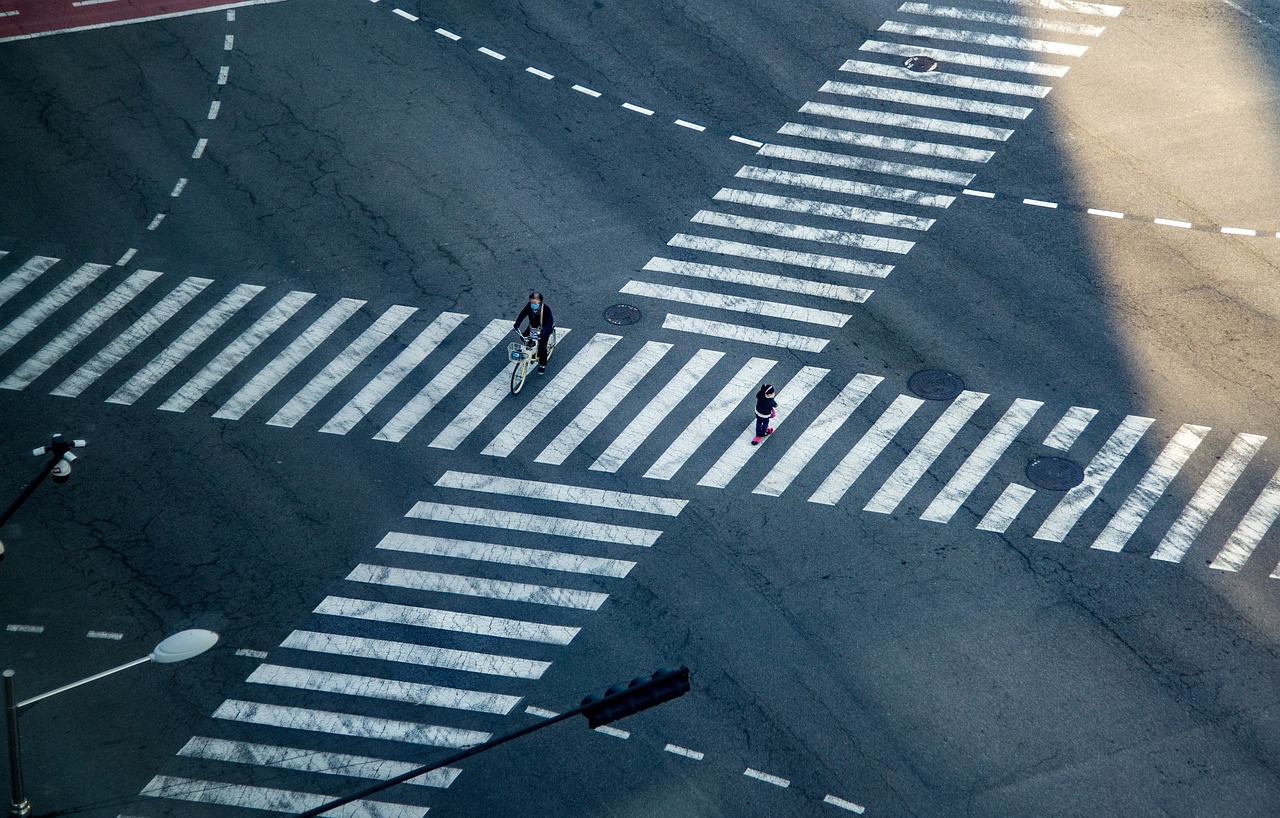
Myth: a country ends where the map says it does. Truth: at the India–Nepal edge near Siliguri, families cross for chai and school like it's a lane, not a line. Borders live in paperwork, not in feet.
The edge is softer than the map
Stand at a crossing like this and the border looks less like a wall and more like a habit people have agreed to keep.
A map is a promise about the ground. The ground rarely signs the same contract.
Time zones are a negotiation
Myth: time is a fact. Truth: India runs on one clock across 2,000 km, so Kolkata's 9 a.m. sun and Gujarat's 9 a.m. sun are not the same morning. Places bend time to fit work.
One clock, many mornings
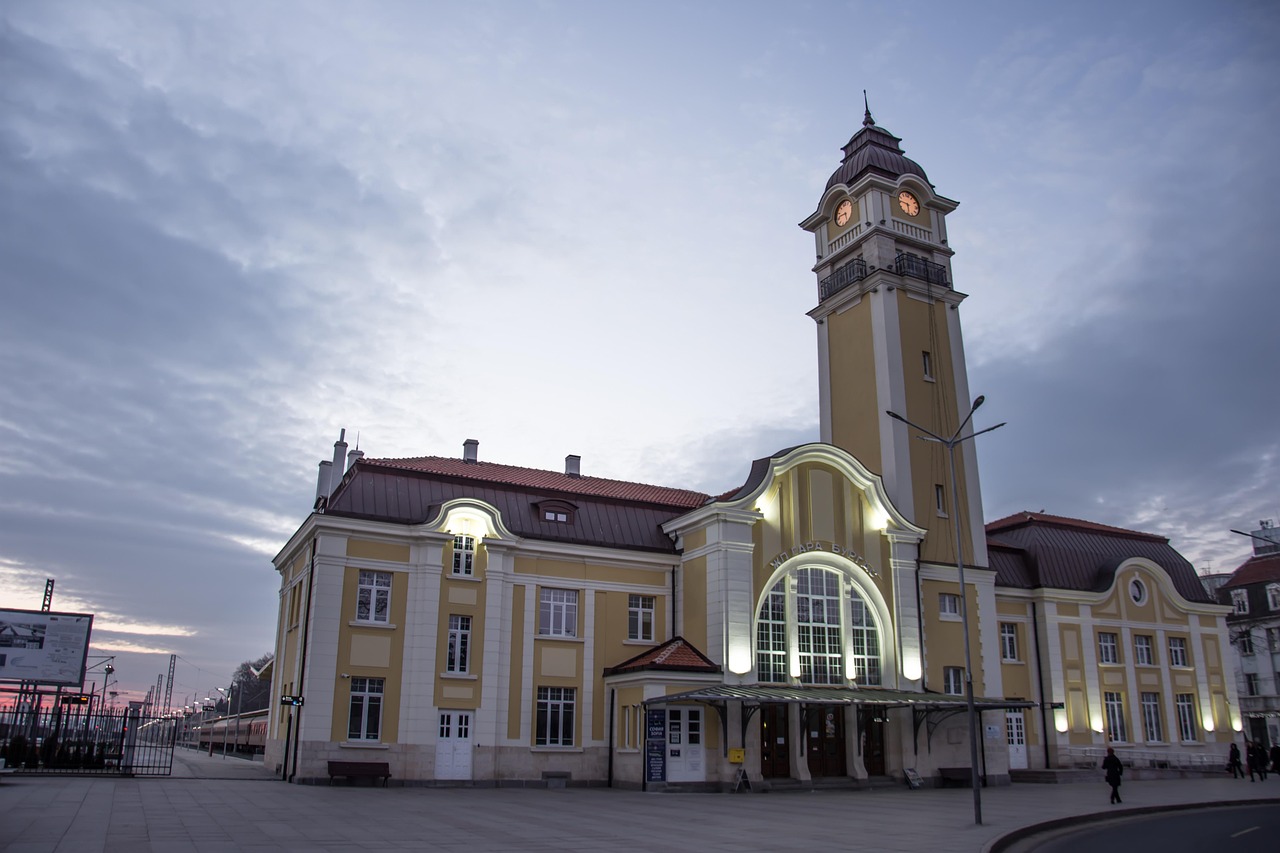
A station board in one city and a field in another can read the same hour and feel like different days.
Language has no fence
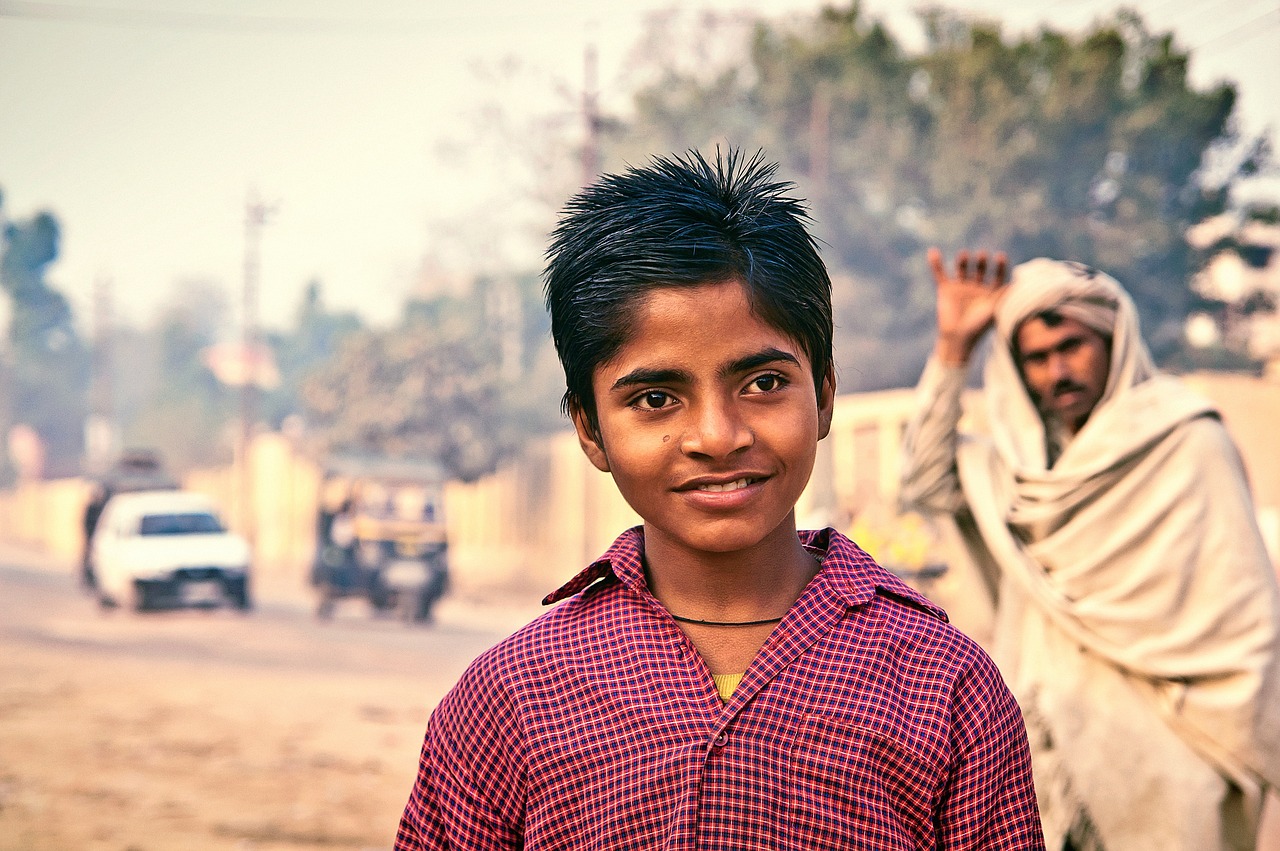
Myth: languages stop at borders. Truth: in a Delhi auto, the driver switches between Hindi, Punjabi and English mid-sentence. Tongues ignore the lines drawn for them.
Use the ground as your map
Next time a map tells you where something ends, ask someone who lives there. Their answer is the one that counts.