
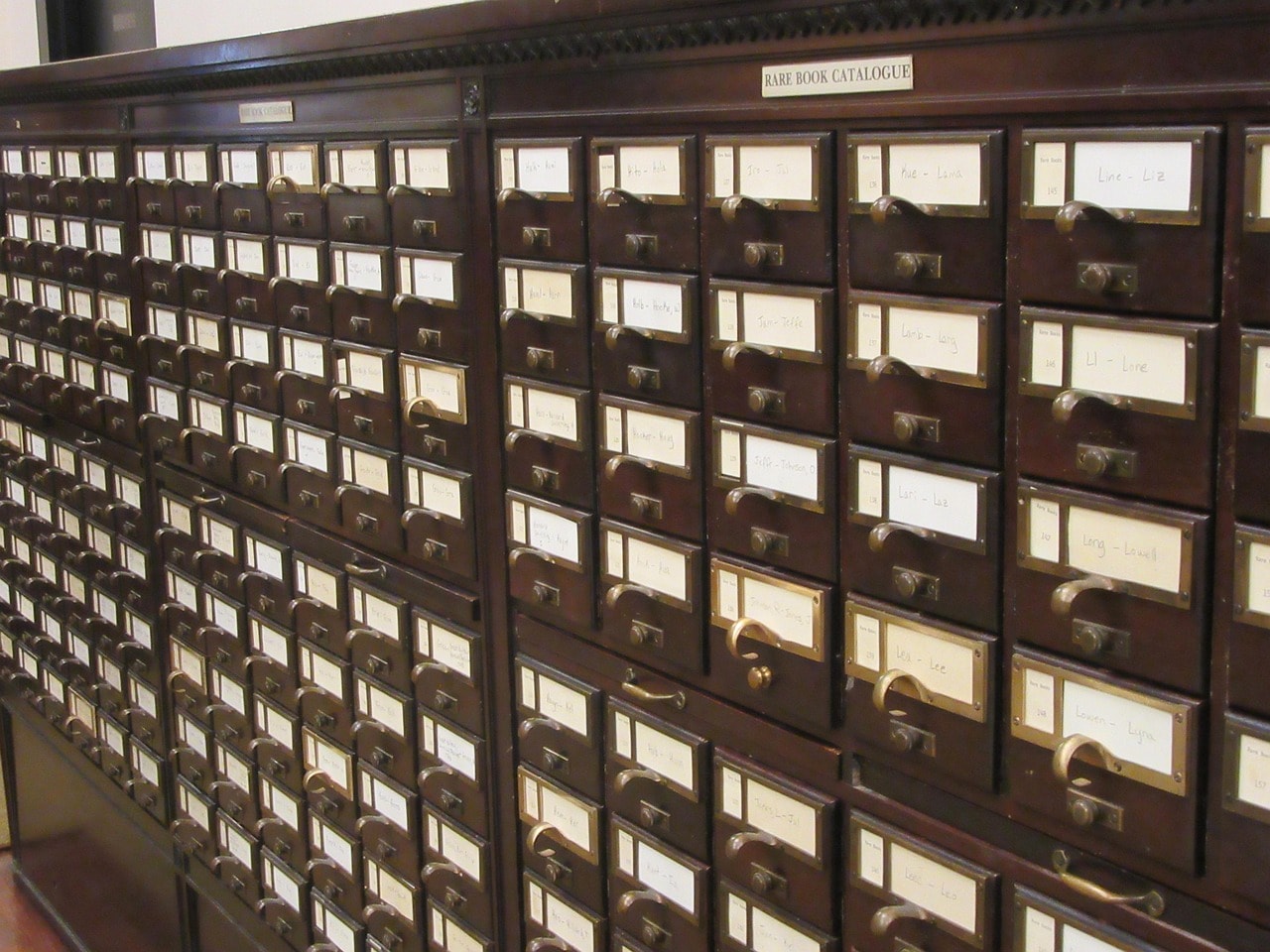
Growing up, I heard stories about my great-grandfather stepping off a boat at Ellis Island with nothing but a cardboard suitcase and a fierce work ethic. But when I tried to find his name in the ship's manifest, I hit a wall—the clerks had spelled it 'Kovats' instead of 'Kovacs,' and his arrival year was off by three. That's when I stopped relying on family lore and started using the actual records at the National Archives. If you've hit a similar dead end, or you're just starting to dig into your family's immigration story, I'm going to show you the same practical steps I used to trace my ancestor's journey—from the old country to a new life in America. You don't need a subscription genealogy site or a degree in history. You just need patience, a few free databases, and a willingness to think like a bureaucrat from 1908.
Step 1: Start with what you know (and admit what you don't)
Before you dive into the archives, write down everything you know about your immigrant ancestor: full name (including any nicknames), approximate birth year, arrival year, port of departure, and port of arrival. If you're unsure, that's okay—you'll be testing variations. Also note the names of family members who might have traveled together, because they often appear on the same manifest, sometimes with the same misspelled surname.
Next, interview relatives. I know it sounds obvious, but you'd be surprised how many people skip this step. My aunt recalled that my great-grandfather came from a village near the Austrian border—that detail narrowed my search by hundreds of miles. Record any stories about where they lived, who they traveled with, and any jobs they had. Those clues become keywords for your searches.
Step 2: Use the National Archives' free online databases
You don't have to visit Washington, D.C., to access the National Archives (NARA). They've digitized billions of records, and the key ones for immigration are available on their website and through their partners. The holy trinity for immigration research is: passenger arrival lists, naturalization records, and census records.
Start with the Passenger Arrival Lists (often called ship manifests). For the years 1820–1957, NARA has microfilm copies of these lists, and many are indexed on their free online portal, National Archives Catalog (catalog.archives.gov). But a word of caution: the index is not complete for every port and every year, so you may need to use other free sites like FamilySearch (requires a free account) or the Ellis Island Foundation's database for New York arrivals 1892–1924.
- Search by surname only first, then add the first name and year range.
- Try alternate spellings—use wildcards like * or ? (e.g., Kova* for Kovacs, Kovats, Kovach).
- If you find a match, note the ship's name, arrival date, and port—you'll need that later.
If the passenger list search fails, move to Naturalization Records. Before 1906, anyone could file for citizenship in any court, and those records are scattered. But after 1906, the federal government standardized the process, and NARA has copies of the petitions. Search the NARA catalog for “naturalization” plus your ancestor's name, and you might find a petition that lists their exact arrival date and port—sometimes even the ship name.
Tip: Don't overlook the census records! Every U.S. census from 1900 onward asks for the year of immigration and naturalization status. Find your ancestor in the 1910 or 1920 census, and you'll get a precise year—often more accurate than family memory.
Step 3: Cross-reference with census records to narrow your search
Census records are the unsung heroes of immigration research. They're not just names and ages—they ask where each person was born, their parents' birthplaces, and, crucially, the year they immigrated and whether they'd filed naturalization papers.
Let me give you a concrete example. I found a family in the 1920 census: John Kovacs, age 42, born in Hungary, immigrated in 1907, and his wife Mary, also Hungarian. That narrowed my search to ships arriving in 1907. I then searched the Ellis Island database for “Kovacs” in 1907, and there he was—but spelled “Kovach.” Without the census, I'd have been guessing for years.
How to do this: use the free census indexes on FamilySearch or Ancestry (if you have a subscription). Start with the 1940 census—the most recent available—and work backwards. Each census gives you a clue to the previous one. Be sure to note the exact street address, because that can help you distinguish your ancestor from someone with the same name.
- Keep a research log: record each search, the database, the date, and the result.
- Use the Soundex system: NARA's own catalog uses Soundex codes for names, which groups similar-sounding surnames. Learn how to use it—it's a game-changer.
- Don't forget the family members left behind: sometimes a manifest lists a relative in the old country, which can help you identify the right ship.
Step 4: Request original records (when you need a closer look)
If the online index gives you a hit but the digital image is too blurry or missing, you can order a copy of the original record from NARA. For passenger lists, you'll need to know the port, the ship name, and the arrival date. For naturalization records, you'll need the court where the petition was filed (often the U.S. District Court).
NARA has a fee-based reproduction service—it's not expensive (usually under $20), and the staff are incredibly helpful. You can order online through their ordering system. Just be specific: “I need the manifest for the S.S. Rotterdam, arriving New York, March 15, 1907, page 27, line 12.” That precision is crucial, because these records are organized by ship and date, not by name.
And here's a trick: if you find a manifest on the Ellis Island site but it's hard to read, the original microfilm at NARA might be clearer. Sometimes the scans are from a bad microfilm copy. I once ordered a copy and discovered a column that listed my great-grandfather's last residence—a tiny village I'd never heard of. That opened up a whole new line of research.
Step 5: Look beyond the obvious—passenger lists aren't the only immigration records
Once you've found the ship manifest, your research isn't over. There are other records that can add color to the story. For example, passport applications (1850–1925) often include physical descriptions and sometimes photos. If your ancestor traveled back to the old country, they might have applied for a passport—that application is a goldmine.
Also, check the Border Crossings records: from 1895 to 1956, immigrants crossing from Canada or Mexico were recorded on separate manifests. If your ancestor didn't come through Ellis Island, they might have crossed the northern border—many Eastern Europeans took a ship to Canada and then walked across. Those records are also at NARA.
And don't forget the Draft Registration Cards from World War I and II. These are not immigration records per se, but they ask for birthplace and sometimes the town of birth—and they include a signature, which can help you confirm you've got the right person.
- Explore NARA's “Immigration” research page for a full list of record types.
- Join genealogy forums: other researchers often share tips for specific ports or ethnic groups.
- Use the National Archives' Genealogy Tutorial to learn how to read old handwriting and codes on manifests.
Step 6: Piece together the story—and share it
Once you've gathered the facts, it's time to interpret them. What does the ship manifest tell you about your ancestor's journey? Look at the columns: they recorded age, occupation, nationality, and even whether they could read or write. You might discover they were a farmer who'd never left their village before boarding a steamer.
Don't just collect documents—build a narrative. For example, my great-grandfather's manifest shows he was a laborer, and his naturalization petition shows he became a citizen in 1912, right before he bought a house. That progression tells a story of ambition and hard work—one that's more meaningful than a list of dates.
Finally, share your findings. Write a short family history and give copies to relatives. Upload your documents to sites like FamilySearch or the USGenWeb project, so other researchers can benefit. You might even connect with distant cousins who are researching the same ancestor.
Tip: Always save a digital copy of every document you find, even if it seems irrelevant. You never know when a detail will become important. I once found a notation on a manifest that my great-grandfather had a scar on his left hand—that little detail made the past feel tangible.
Start here
You don't need to be an expert to begin. Start with a single ancestor, use the free tools on the National Archives website, and be patient with the quirks of history—misspelled names, faded ink, and vague memories. The records are waiting, and each one brings you closer to the person whose steps you're retracing. So go ahead: open the catalog, type in a name, and start the journey. You might just find exactly what you're looking for—and a few surprises along the way.
Comments (0)
No comments yet. Be the first to comment!