
Ask anyone in India what they'd change about their health and you'll hear the usual suspects: eat better, exercise more, lose weight. Almost nobody says sleep. It's the pillar of health we treat as optional — the thing we sacrifice first when a deadline looms, a cricket match runs late, or a WhatsApp group gets interesting at 1 a.m. Yet the research is unusually clear: if you had to pick one habit to fix, sleep would be a defensible choice before diet or exercise. Not because food and movement don't matter — they obviously do — but because sleep is the foundation those other habits quietly depend on. So what actually happens to your body when you chronically sleep six hours instead of eight, and why does it matter so much more in a country where the average sleep duration has been creeping downward for a decade?
What it really is
Sleep is not a passive state where your body switches off. It's an active, tightly scripted biological process with distinct stages, each doing specific maintenance work. Deep sleep (slow-wave sleep) is when growth hormone peaks and your body repairs tissue, consolidates muscle, and clears metabolic waste from the brain through the glymphatic system. REM sleep, which clusters in the second half of the night, is heavily involved in emotional processing and memory consolidation. Cut your sleep short by an hour and you're disproportionately cutting REM, because deep sleep front-loads the night while REM back-loads it.
The concept that matters most for most people is sleep debt — the cumulative gap between the sleep you need and the sleep you get. Unlike financial debt, you can't fully repay it with one long Sunday. A single lie-in helps, but research on recovery sleep shows that cognitive performance, insulin sensitivity, and mood don't bounce back to baseline after one or two catch-up nights following a week of restriction. The debt lingers.
Then there's your circadian rhythm — the roughly 24-hour internal clock, governed by a cluster of neurons in the hypothalamus, that times everything from hormone release to body temperature to when you feel alert. It's set primarily by light exposure, especially morning light. This is why the timing of your sleep matters almost as much as the duration: going to bed at 2 a.m. and waking at 10 a.m. gives you eight hours, but it doesn't give you the same physiology as sleeping from 11 p.m. to 7 a.m.
Why it matters
Here's where it gets uncomfortable. Chronic short sleep — consistently under seven hours for adults — is associated with measurably worse outcomes across nearly every system. After just a few nights of five-hour sleep, studies show reduced insulin sensitivity that mimics pre-diabetic patterns. Appetite hormones shift: ghrelin (hunger) rises, leptin (satiety) falls, and people reliably eat several hundred extra calories the next day, mostly from carbohydrate-heavy snacks. That's not a willpower problem; it's a hormonal one.
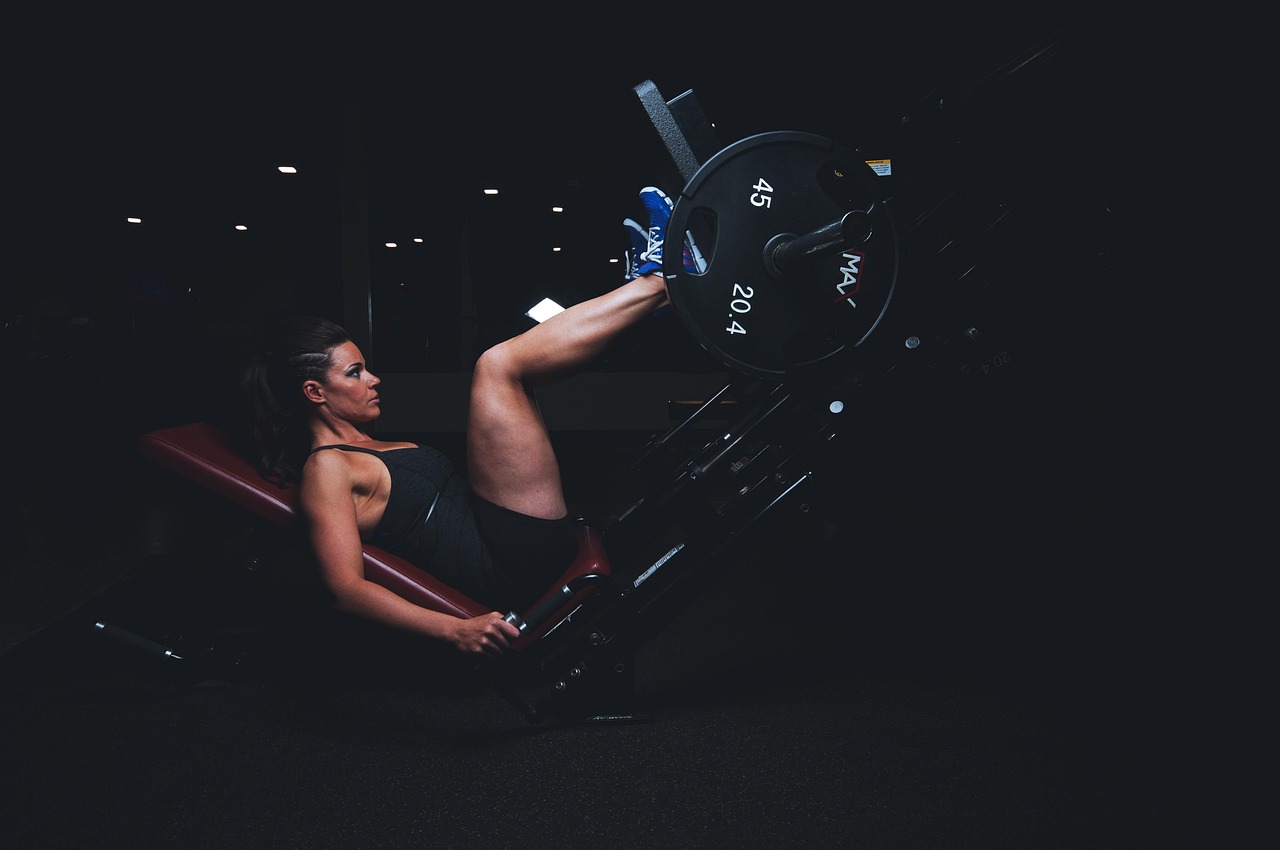
Sleep loss also degrades the immune response, impairs the consolidation of motor skills (relevant if you're learning a new lift or sport), and blunts the emotional regulation that keeps stress manageable. And it makes exercise feel harder — perceived exertion rises when you're sleep-deprived, which is one reason people abandon gym routines during busy work weeks.
You cannot out-diet or out-train chronic sleep deprivation. The body will route its limited resources toward survival, not toward your fitness goals.
There's a specific Indian context worth naming. Urban sleep duration has been declining with longer commutes, later work calls across time zones, and screens in the bedroom. Shift work — common in IT support, healthcare, manufacturing, and BPO — is a known disruptor of circadian rhythm, and the health effects are real, not hypothetical. Meanwhile, the cultural belief that sleeping less signals ambition is actively harmful. Hustle culture has rebranded sleep deprivation as discipline. It isn't. It's a slow metabolic and cognitive tax.
One more thing: sleep is where the benefits of your other healthy habits get consolidated. The muscle protein synthesis from your workout, the glucose regulation from your diet, the emotional resilience from your meditation — much of that processing happens during sleep. Skimp on sleep and you're paying for a gym membership you can't fully use.
How it works
Your sleep is governed by two interacting systems. The first is sleep pressure — a homeostatic drive that builds the longer you're awake, driven by the accumulation of a molecule called adenosine. Caffeine works by blocking adenosine receptors, which is why a 4 p.m. coffee can still be affecting you at 10 p.m. even if you don't feel it. The second is your circadian clock, which produces a wakefulness signal that peaks in the late morning and dips in the mid-afternoon (the post-lunch slump is partly circadian, not just your dal-chawal).
Sleep onset happens when sleep pressure is high and the circadian system is signalling night — meaning darkness and dim light. Bright light in the evening, especially blue-rich light from screens, suppresses melatonin and pushes your clock later. Morning light does the opposite: it anchors your clock earlier and makes you feel sleepy at an appropriate hour that night. This is why the single most powerful sleep intervention isn't a supplement or an app — it's light timing.
- Morning light: Get 10–20 minutes of outdoor light within an hour of waking. Even on a cloudy day, outdoor light is vastly brighter than indoor lighting.
- Evening dimness: Dim your environment 1–2 hours before bed. Warm lamps, not overheads. If you must use screens, lower brightness and enable night mode.
- Caffeine cutoff: Caffeine has a half-life of about 5–6 hours. A 3 p.m. chai still has meaningful adenosine-blocking effect at 9 p.m. Cut it off 8–10 hours before bed if you're sensitive.
- Consistent wake time: Your wake time anchors your circadian rhythm more than your bedtime. Pick one and hold it, even on weekends, within about an hour.
Temperature matters too. Core body temperature needs to drop slightly for sleep onset, which is why a hot, poorly ventilated room makes falling asleep harder — a real issue in Indian summers without air conditioning. A cool shower before bed can help by dilating blood vessels and accelerating that temperature drop.
How to practice it
Forget the gadget arms race. You don't need a sleep tracker to sleep better, and in fact, orthosomnia — anxiety caused by obsessing over sleep data — is a documented problem. What you need is a small set of behavioural anchors, applied consistently for a few weeks.
Start with the wake time. Set it, protect it, and let bedtime drift toward it naturally as sleep pressure builds. Then build a wind-down routine that signals to your brain that the day is ending — not scrolling, but something low-stimulation: reading a physical book, a warm shower, light stretching, or just dimming the lights and sitting quietly. The routine matters less than its consistency; your brain learns the sequence as a cue.
If you're lying awake for more than 20 minutes, get up. This is the core of cognitive behavioural therapy for insomnia (CBT-I), the gold-standard treatment for chronic sleep problems. Staying in bed while frustrated teaches your brain to associate bed with wakefulness and anxiety. Get up, do something boring in dim light, and return when sleepy.
Watch the alcohol trap. A drink may help you fall asleep faster, but it fragments sleep architecture in the second half of the night, suppressing REM and causing early-morning wakefulness. The net effect on sleep quality is negative even when it feels helpful.
And if you snore loudly, wake up unrefreshed despite adequate hours, or feel sleepy during the day, see a doctor. Obstructive sleep apnoea is common, underdiagnosed, and genuinely dangerous — it's not something a sleep-hygiene checklist will fix.
Finally, be realistic about trade-offs. There will be weeks when work or family demands compress your sleep. That's life. The goal isn't perfection; it's protecting sleep as a default rather than treating it as the first thing to sacrifice. A consistent seven to eight hours, anchored by morning light and a stable wake time, will do more for your energy, appetite, mood, and training recovery than most supplements on the market — and it costs nothing.
Sleep isn't a luxury you earn after everything else is done. It's the biological maintenance window that makes everything else possible. Treat it like the non-negotiable it is.




Comments (0)
No comments yet. Be the first to comment!