
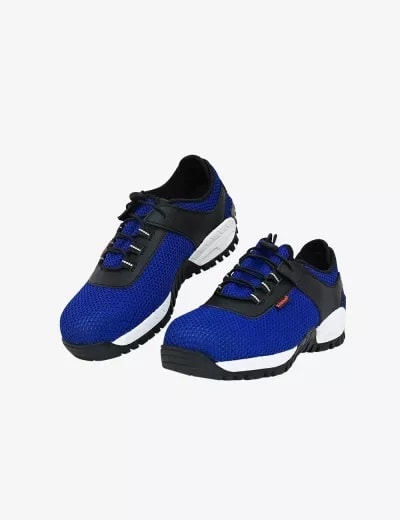

Women work across construction, manufacturing, pharmaceuticals, logistics, automotive operations, and other industries where foot injuries can be a serious occupational risk. From falling objects and sharp materials to slippery floors and demanding shifts, the hazards vary considerably between workplaces. Choosing suitable safety shoes for women is therefore about more than finding footwear in the right size. It means selecting protection that matches the job while supporting comfort and mobility throughout the working day.
Modern women safety shoes are designed to bring together protective construction, practical fit, and wearable design. Understanding their key features helps employers and individuals make more informed footwear decisions.
Essential Features to Consider in Women's Safety Shoes
Toe Protection Against Impact and Compression
Protective toe caps help reduce the risk of injury from falling or rolling objects. Depending on the footwear design, these may be made from steel or non-metallic materials such as composite or fibre-based polymers.
Steel toe caps are commonly considered for demanding industrial environments where impact protection is required. Composite and fibre toe options can provide an alternative for workers who prefer non-metallic footwear. The choice should be based on the shoe's certified performance and the hazards identified in the workplace risk assessment, not simply the material of the toe cap.
Slip Resistance and Outsole Grip
Wet floors, oil contamination, smooth surfaces, and loose materials can increase the likelihood of slips and falls. A suitable outsole can help improve traction under the conditions for which it has been designed.
When evaluating women safety shoes, check the manufacturer's stated slip-resistance performance and whether the footwear is appropriate for the substances and surfaces encountered at work. No outsole should be assumed to provide reliable grip in every condition. Regular cleaning and inspection are also important because accumulated dirt, wear, and damage can affect performance.
Puncture Resistance for Demanding Work Areas
Construction, maintenance, manufacturing, and warehouse environments may contain nails, metal fragments, sharp waste, and other objects that can penetrate footwear. Where this hazard is present, a puncture-resistant midsole or protective insole may be necessary.
Some women's safety footwear models include an anti-perforation layer designed to help protect the underside of the foot. However, workers should verify the specific protection level of the selected model instead of assuming that every safety shoe includes this feature.
Comfort, Breathability, and Internal Support
Protective footwear is often worn for extended periods, making comfort a practical safety consideration. Padded tongues and collars, breathable linings, and cushioned insocks can help improve the wearing experience.
For example, KARAM's FS100 ladies' leather safety shoe features a padded tongue and top line, breathable lining, and an anti-fatigue moulded EVA/PU insock. Its product specifications also identify a composite toe and an anti-perforation insole.
Getting the Fit and Fastening Right
The fastening system affects how easily footwear can be put on, adjusted, and secured. Lace-up designs allow the wearer to adjust the fit across the foot, while slip-on or hook-and-loop fastening options may offer greater convenience in certain working environments.
KARAM's women's range includes lace-up and slip-on leather designs. The FS100 model has a lace-up construction, while the FS101 uses hook-and-loop fastening. Both are examples of different approaches to fit and everyday usability, but the final choice should depend on individual comfort, workplace conditions, and the protection required.
The right safety footwear helps women work with greater confidence by combining task-appropriate protection, secure fit, and lasting comfort. Before choosing a pair, assess workplace hazards, verify protective features, and consider sizing, fastening, and maintenance requirements. A well-informed selection supports safer movement throughout the working day and helps ensure that essential foot protection remains suitable for the job.




Comments (0)
No comments yet. Be the first to comment!