

Dear you,
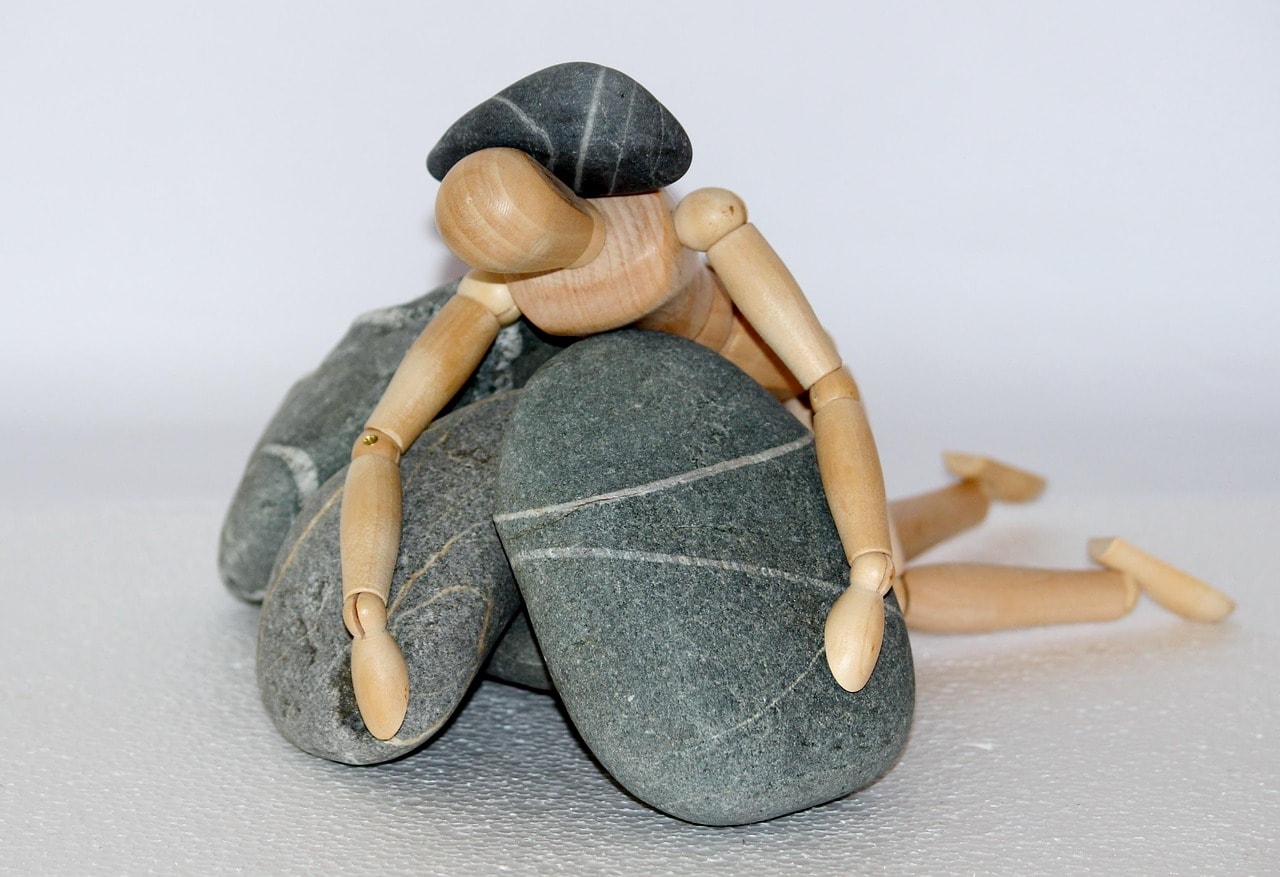
I see you. The one who remembers everyone's birthdays. The one who gets the 2 a.m. phone calls. The one who says, "I'm fine," with such conviction that even you believe it. You are the emotional scaffolding for your entire circle—the friend, the sibling, the partner, the parent—and you've built an identity around being unshakeable. But here's what I want to whisper to you today: the strongest people are often the loneliest. Not because they're unloved, but because they've made themselves so reliable that no one thinks to ask how they're really doing.
I know this because I've been you. And I've watched dozens of clients in my practice—the ones who show up polished and put-together—fall apart in my office the moment I ask, "And what about you?" It's like watching a dam crack. The tears come fast and hot, and then the apology: "I'm sorry, I don't know why I'm crying." You do know. You've just been holding it in for so long that the release feels like a betrayal of your own strength.
The Weight of Being the Anchor
There's a particular kind of exhaustion that comes from being everyone's safe place. It's not the tiredness of doing too much—it's the tiredness of feeling too much for too many. You absorb your best friend's breakup, your mother's anxiety, your colleague's panic attack, your partner's bad day. You take it all in, metabolize it, and hand back calm. But who metabolizes your stuff?
Probably no one. And that's not because people don't care—it's because you've trained them not to. Every time you said, "Don't worry about me, I've got it," you taught them that you don't need support. Every time you deflected a concerned question with a joke, you closed a door. It wasn't malicious. It was survival. But now you're trapped in a role you never auditioned for.
"The strongest people are often the loneliest—not because they're unloved, but because they've made themselves so reliable that no one thinks to ask how they're really doing."
I remember a client—let's call her Maya. She was the oldest of four, the first to graduate college, the one who sent money home every month. When her father died, she planned the funeral, managed the finances, and comforted her mother and siblings. Three months later, she couldn't get out of bed. Her doctor ran tests and found nothing wrong. "I don't understand," she told me. "I've handled worse." But she hadn't. She'd managed worse. She'd never let herself feel worse. And her body finally said, Enough.
Maybe you recognize Maya. Maybe you are Maya. If so, keep reading, because the way out isn't what you think.
You Don't Need to Earn Your Own Care
Somewhere along the way, you learned that your needs are a burden. Maybe you grew up in a home where big emotions were punished or ignored. Maybe you were praised for being "so mature" or "low-maintenance." Maybe you watched a parent struggle and decided, consciously or not, that you would never be the cause of anyone's stress. So you became the helper. The fixer. The one who never needs anything.
But here's the truth: you are not a machine. You are a human being with a nervous system that was designed to co-regulate—to borrow calm from others just as they borrow it from you. When you refuse to let anyone see you struggle, you're not protecting them. You're starving yourself of the very thing that keeps you resilient.
I want you to try something. The next time someone asks how you are, don't say "fine." Don't give the highlight reel. Say something true. It can be small. "Actually, I'm pretty tired today." "I've been feeling a bit overwhelmed." "I could use a hug." Watch what happens. Most people won't run. They'll lean in. They've been waiting for permission to care for you the way you care for them. You just never gave it.
And if you're afraid that showing your cracks will make people trust you less—that they'll see you as weak or unreliable—I want to gently challenge that. Vulnerability isn't the opposite of strength. It's the foundation of it. The people who trust you most aren't the ones who've only seen you win. They're the ones who've seen you struggle and stay anyway.
Learning to Lean
This isn't a call to become a burden. It's a call to become a person. A full person, with needs and limits and bad days. Here's what that might look like:
- Name one person you can practice being honest with. Not everyone—just one. Start small.
- Ask for something specific. "Can I vent for ten minutes?" "Can you check in on me tomorrow?" "Can you take this off my plate?"
- Let the silence sit. When you share something hard, don't rush to fill the space with reassurance. Let them hold it. That's intimacy.
- Notice the guilt—and do it anyway. The guilt is just an old habit. It doesn't mean you're doing something wrong.
You've spent years being the person everyone can count on. Now it's time to let someone count on you—and to let yourself be counted on in return. That's not weakness. That's balance. That's being human.
I know you're tired. I know you're carrying more than you let on. And I know that asking for help feels like standing on a ledge. But here's what I also know: the people who love you aren't waiting for you to fall. They're waiting for you to let them catch you.
So let them.
With so much warmth,
Someone who sees you




Comments (0)
No comments yet. Be the first to comment!