Is the Camera a Mirror or a Window?
Media doesn't just show us the world — it shapes how we see it. These questions explore the hidden power of the lens.
The Lens as a Filter
Every image is a series of choices: what to include, what to exclude, how to frame it. When you look at a photo, ask: What is just outside the frame? Who decided that? The camera never lies, but the photographer always edits.
The camera is an instrument that teaches people how to see without a camera.
Framing Reality
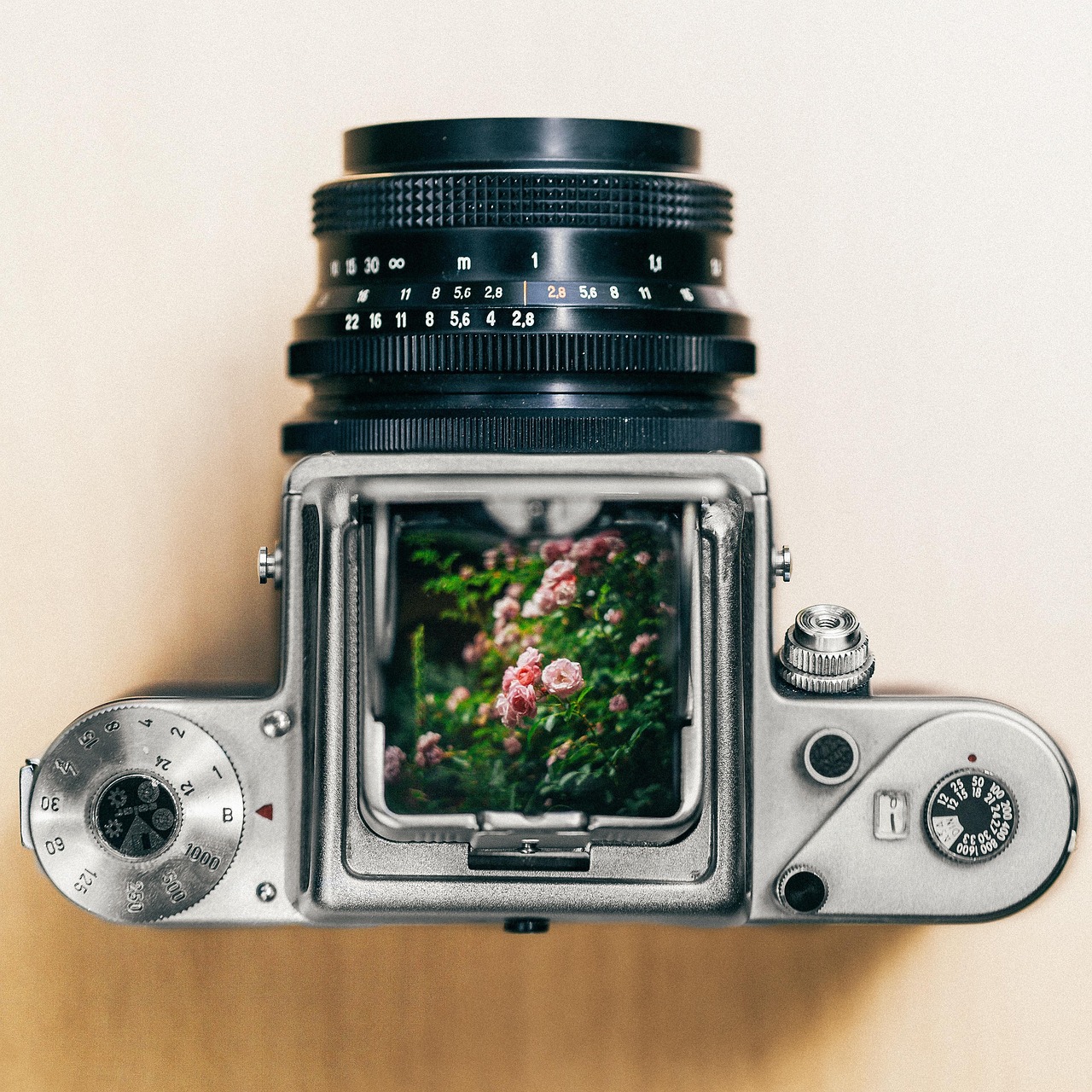
A viewfinder isolates a slice of the world. What you see is never the whole story — just the part someone wanted you to notice.
Whose Gaze?
Media often reflects the perspective of those who hold the camera. Consider: Whose stories are centered? Whose are marginalized? The answer reveals power structures. Asking this question can shift how you consume everything from news to film.
The Unseen Editor
Behind every photo is a decision: crop, color, context. The edit is invisible, but it shapes meaning. What might have been cropped out of the images you see today?
The Illusion of Objectivity
We trust photos as evidence, but they can be staged, manipulated, or taken out of context. In a world of deepfakes and filters, the question isn't 'Is it real?' but 'What is it trying to make me feel or believe?'
Your Turn to Look
Next time you scroll through your feed, pause. Ask: Who took this? Why? What am I not seeing? Media literacy isn't about cynicism — it's about seeing more clearly. The camera is a tool; you are the interpreter.