

Art · #ArtTheory · #Perception · #Creativity · #VisualThinking
The 7 Laws of Artistic Perception
How we see art is governed by hidden principles. These laws shape every masterpiece—and every viewer's experience.
The Law of Selective Attention
Your brain filters out 99% of visual information. Artists exploit this by directing your gaze through composition, contrast, and focal points. A single red dot in a monochrome painting isn't just decoration—it's a command: look here. Understanding this law helps you see what the artist wants you to see, and what they hide.
The Law of Closure
The mind completes incomplete shapes. A few brushstrokes suggest a face, an implied line creates a boundary. This is why sketches feel alive. Artists use negative space and suggestion to engage your imagination, making you a co-creator. The gap between lines is where meaning emerges.
Art is not what you see, but what you make others see.
Edgar Degas
The Law of Emotional Resonance
Colors, shapes, and textures trigger visceral responses before your intellect catches up. Warm hues excite, cool tones calm, jagged lines unsettle. Artists manipulate these primal cues to evoke feelings that words fail to capture. Next time you feel a tug in a gallery, note the palette—your emotions are being orchestrated.
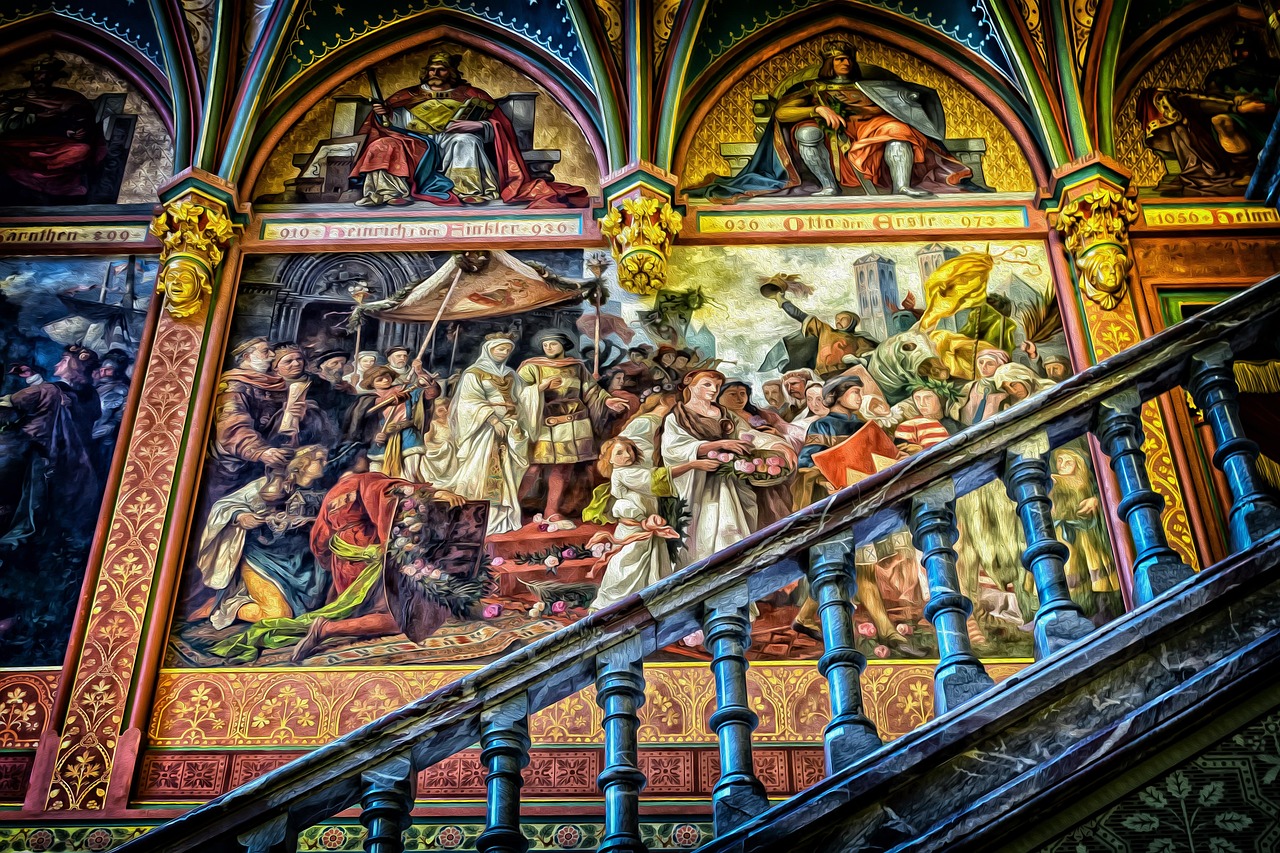
Perception Altered by Context
The Law of Multiple Perspectives
Cubism shattered the single viewpoint. Picasso showed a face from front and side simultaneously, forcing the eye to reconstruct reality. Modern art continues this: every viewer brings a unique perspective, and each is valid. Art is a dialogue, not a monologue—your background, mood, and biases shape what you see.

The Illusion of Depth
Enjoyed this?
V
Written by
Vikram Joshi