The 7 Unwritten Laws of Flavor Pairing
Ever wondered why some flavor combinations just work? These are the unwritten rules that chefs and food scientists follow to create magic on a plate.
Law of Contrast
Opposites attract on the palate. Sweet with salty, sour with rich, bitter with sweet — contrast creates tension and balance. Classic examples: salted caramel, lemon on fish, or dark chocolate with sea salt. The key is to provide a counterpoint that makes each flavor more vivid.
Cooking is about ingredients and time, but pairing is about chemistry and intuition.
Visual Balance
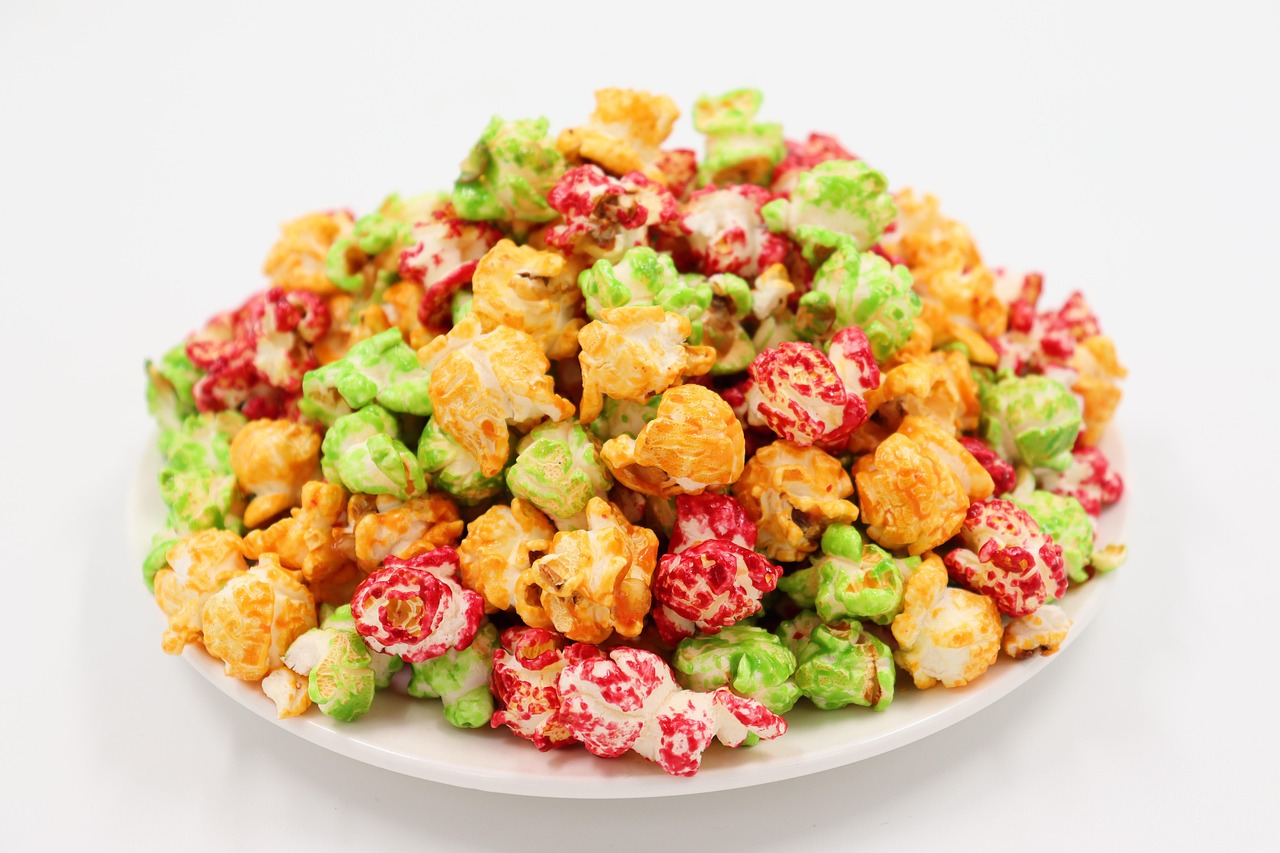
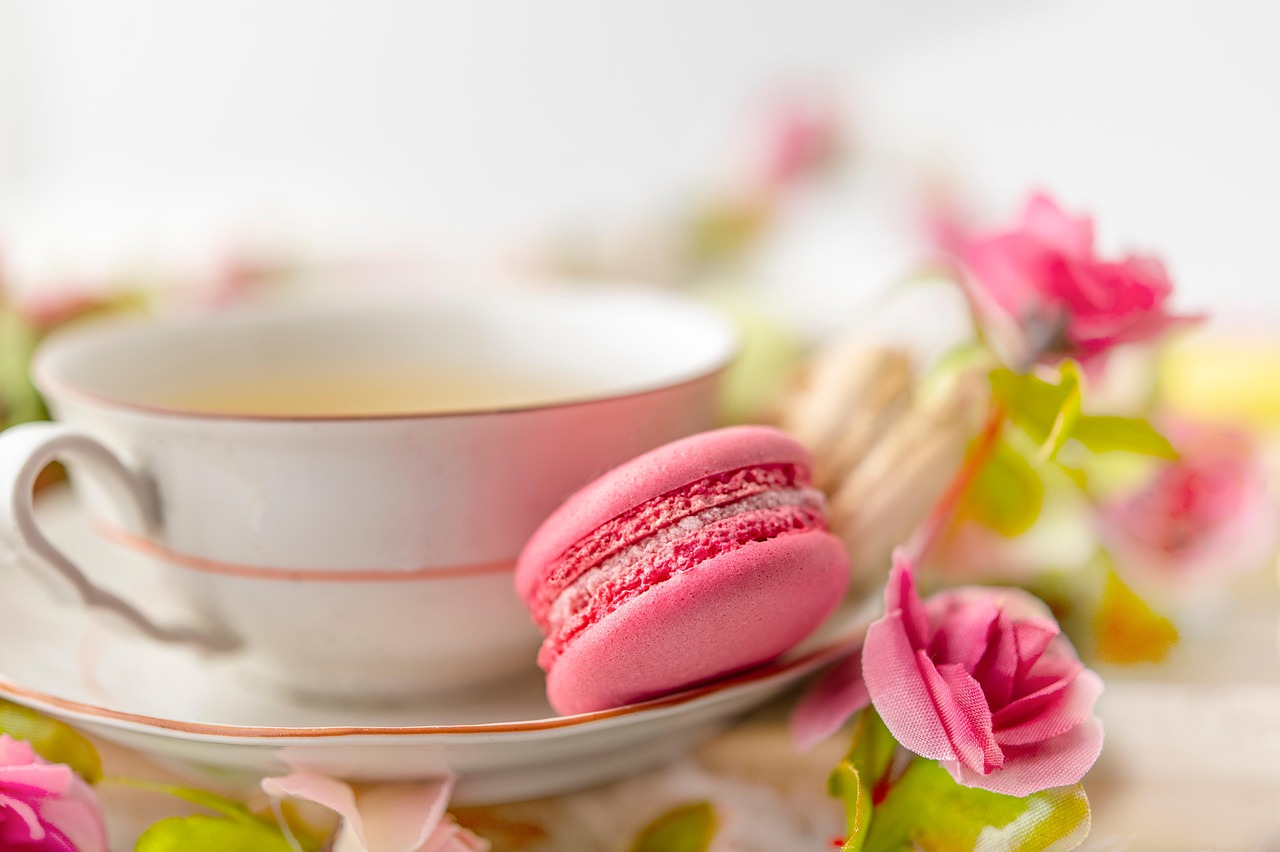
Our eyes taste first. A dish with contrasting colors signals complexity and freshness, often hinting at flavor balance before you even take a bite.
Law of Shared Compounds
Foods that share key aroma compounds often pair beautifully. Strawberries and basil share a compound; chocolate and coffee share dozens. This chemical overlap is why certain pairings just 'make sense' — they resonate on a molecular level.
Law of Fat as Carrier
Fat isn't just a flavor itself — it's the ultimate vehicle. It carries fat-soluble aromas, coats the tongue to prolong taste, and mellows harsh notes. That's why a drizzle of olive oil or a pat of butter can transform a dish from flat to fabulous.
The Art of the Plating
Presentation isn't just pretty — it primes your brain for pleasure. A thoughtful arrangement can enhance perceived flavor by up to 30%.
Law of Seasonal Harmony
Ingredients that grow together go together. Strawberries with rhubarb in spring, tomatoes with basil in summer, pumpkin with sage in fall. Nature's calendar is the ultimate pairing guide.