The Art of Doubt: From Naivety to Wisdom
Doubt is often seen as a weakness, but it is the engine of philosophy. This thread maps the journey from blind acceptance to wise uncertainty.
The Naive Believer
We start by accepting what we're told. The world seems simple, black and white. This is the comfort of certainty.
The First Crack
Then comes a contradiction, a question that doesn't fit. The foundation shakes. Doubt feels like a loss of ground, but it's actually the first step toward genuine thought.
Doubt is not a pleasant condition, but certainty is absurd.
The Skeptic's Descent
Embrace doubt fully, and you risk falling into cynicism. Everything seems unreliable, including your own mind. This is the abyss of radical skepticism, where Descartes found his 'evil demon.'
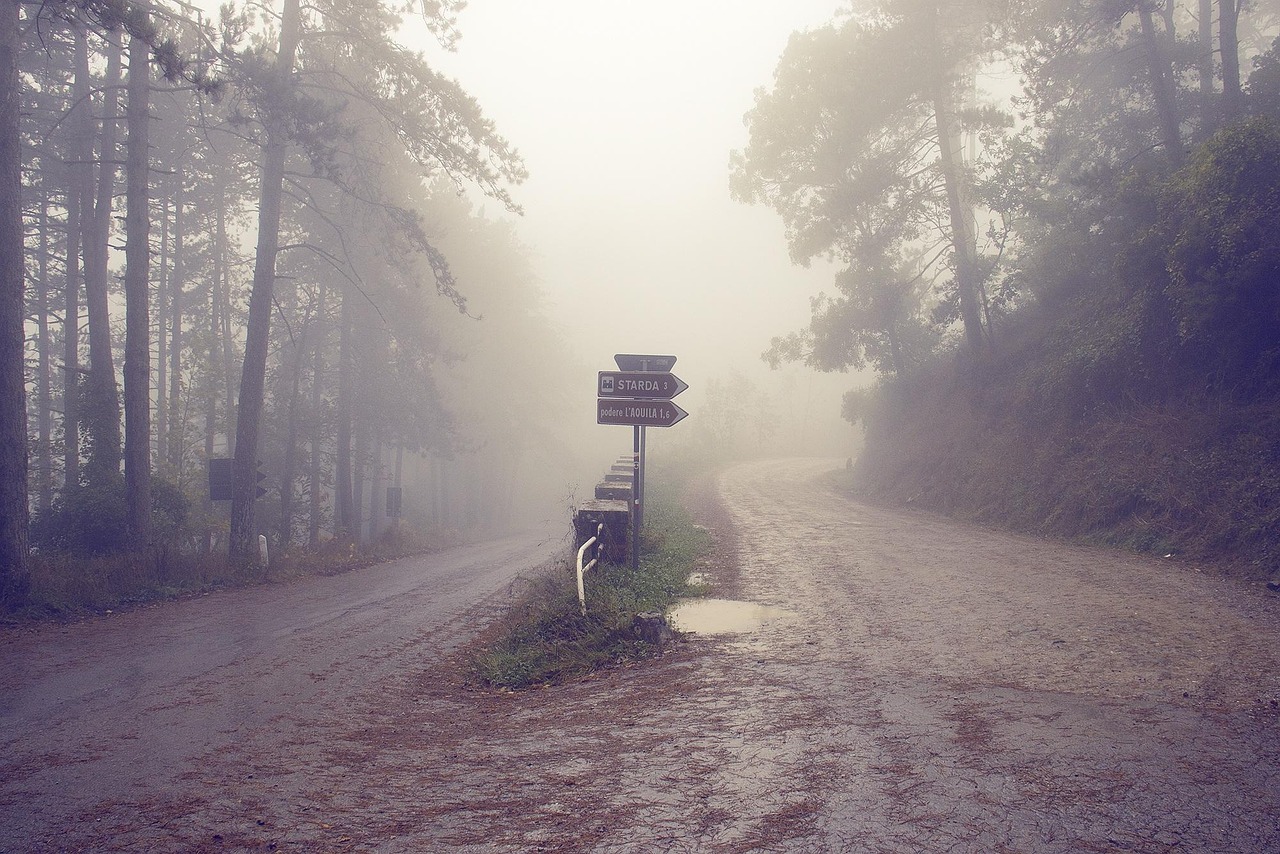
The Fork in the Road
You can stay in the abyss, or you can use doubt as a tool. The choice is yours: paralyzing doubt or constructive doubt.
The Method of Doubt
Like Descartes, you decide to doubt systematically. You question everything, but only to find what cannot be doubted. This turns doubt from a destroyer into a builder of foundations.
The Wise Uncertainty
At the end, you don't reach absolute certainty, but a mature acceptance of uncertainty. You hold your beliefs lightly, open to revision. Wisdom is not knowing everything, but knowing that you don't.