The Art of Seeing: A Journey from Looking to True Vision
Art isn't just about making; it's about learning to see. This journey transforms the way you perceive the world, from passive looking to active, creative vision.
Stage 1: The Unseeing Eye
Every artist starts as a casual observer, seeing the world through the lens of utility and habit. We look at a tree and think 'shade', not the intricate dance of light on its leaves. This stage is about awakening from this autopilot, realizing that we are surrounded by visual wonders we've never truly seen.
The real voyage of discovery consists not in seeking new landscapes, but in having new eyes.
Learning to See
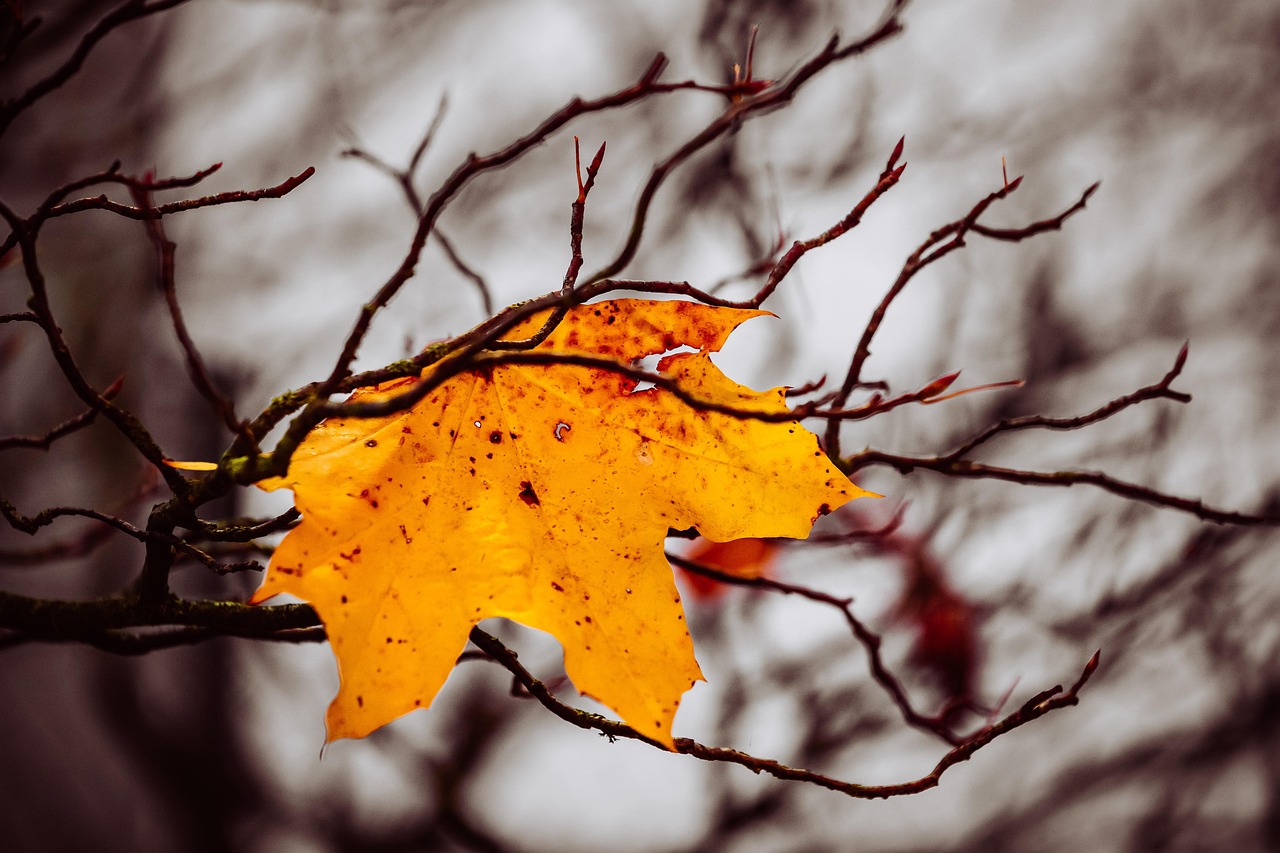
The first step is to pause and observe. A simple leaf becomes a universe of veins, colors, and textures when you truly look.
Stage 2: The Gaze of the Novice
When you begin to study art, you learn to look with intent. You start noticing composition, color harmony, and the play of light and shadow. It's like learning a new language, where every stroke and hue starts to speak. This stage is filled with excitement and also frustration as you realize how much you've missed.
Stage 3: The Analytical Eye
As you train, you develop the ability to deconstruct any visual scene. You see the underlying structure—the golden ratio, the rule of thirds, the color wheel. You become a detective of visuals, finding meaning in every element. This analytical phase is powerful, but it can also distance you from the raw emotion of the moment.
The Artist's Vision
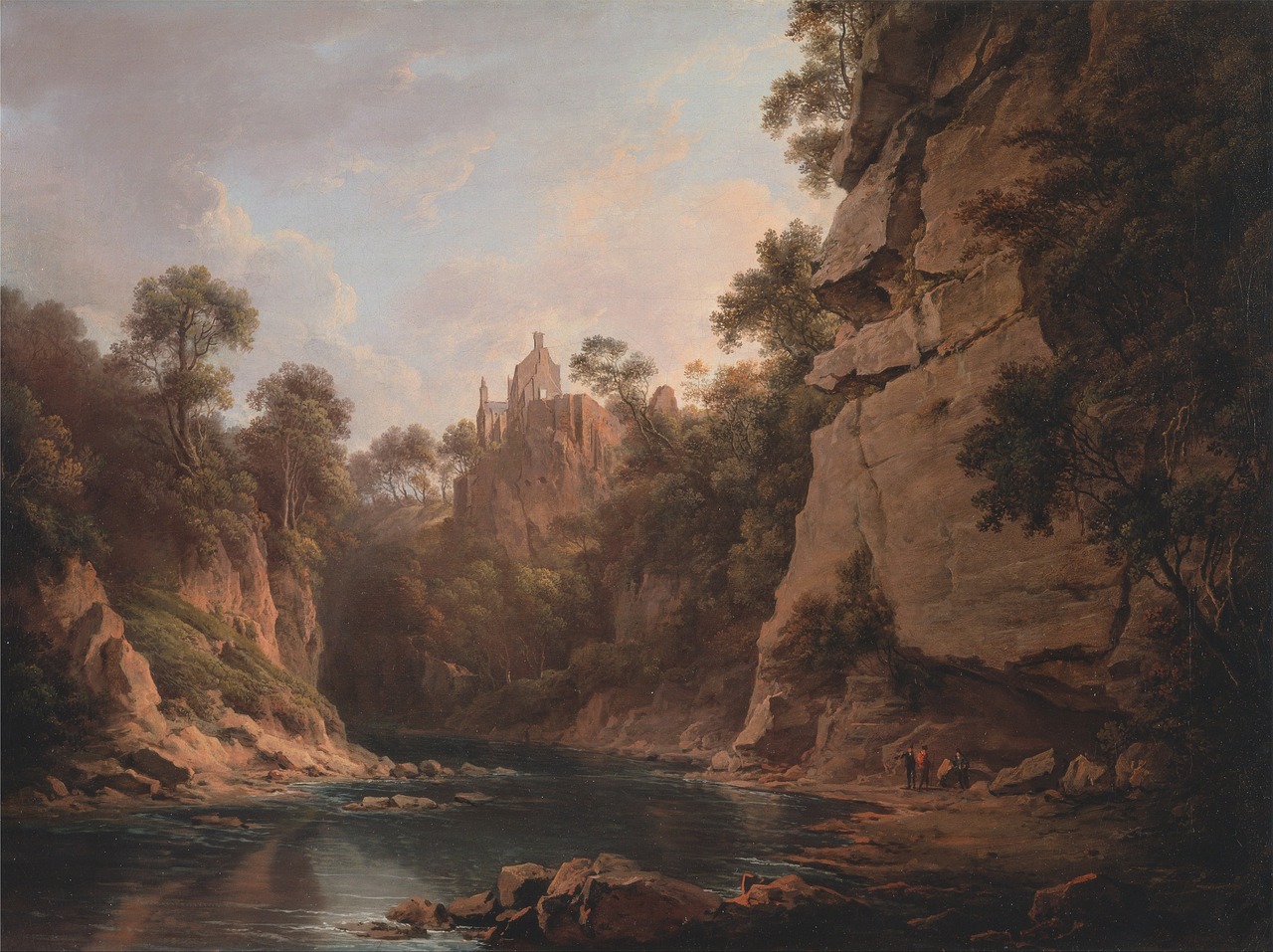
An artist sees the world as a canvas—every scene becomes a composition of shapes, values, and colors waiting to be captured.
Stage 4: The Intuitive Vision
With practice, analysis becomes second nature, and you begin to see intuitively. Your eye automatically seeks balance, rhythm, and emotion without conscious thought. It's like a musician who no longer reads notes but feels the music. This stage marks a shift from technique to personal expression.