
Politics · #politics · #filterbubble · #democracy · #algorithms
The ‘Filter Bubble’ Democracy: How Algorithms Divide Us
Algorithms shape more than what we buy—they shape what we believe. Here’s how personalized feeds are eroding shared reality in politics.
What is a Filter Bubble?
Coined by Eli Pariser in 2011, a filter bubble is a state of intellectual isolation that results from algorithms tailoring information to our preferences. Social media platforms, search engines, and news apps serve us content that aligns with our past behavior, creating a unique universe of information for each user.
Democracy requires a shared base of facts. When algorithms decide what we see, we no longer live in the same reality.
Eli Pariser
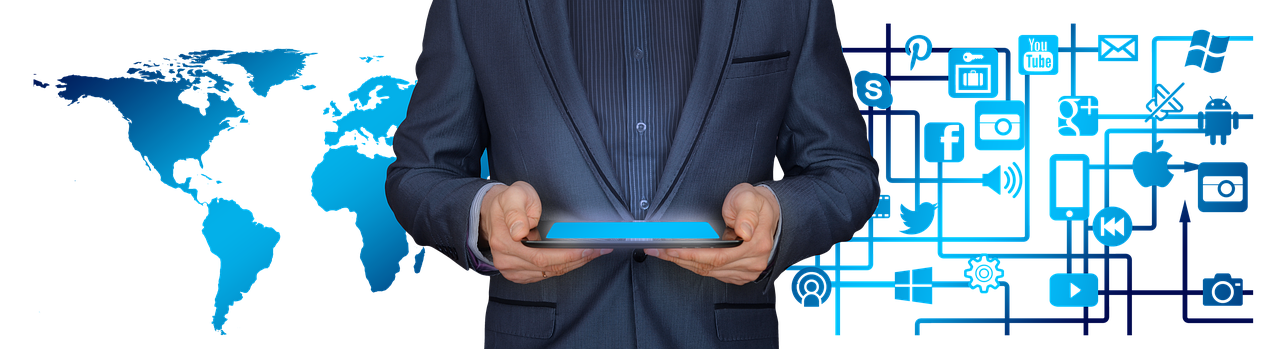
The Personalized Feed
The Echo Chamber Effect
Filter bubbles amplify confirmation bias. We see mostly opinions we agree with, rarely encountering opposing views. Over time, moderate opinions can become extreme, and political polarization deepens. A 2015 study found that Facebook users were less likely to encounter cross-cutting news.
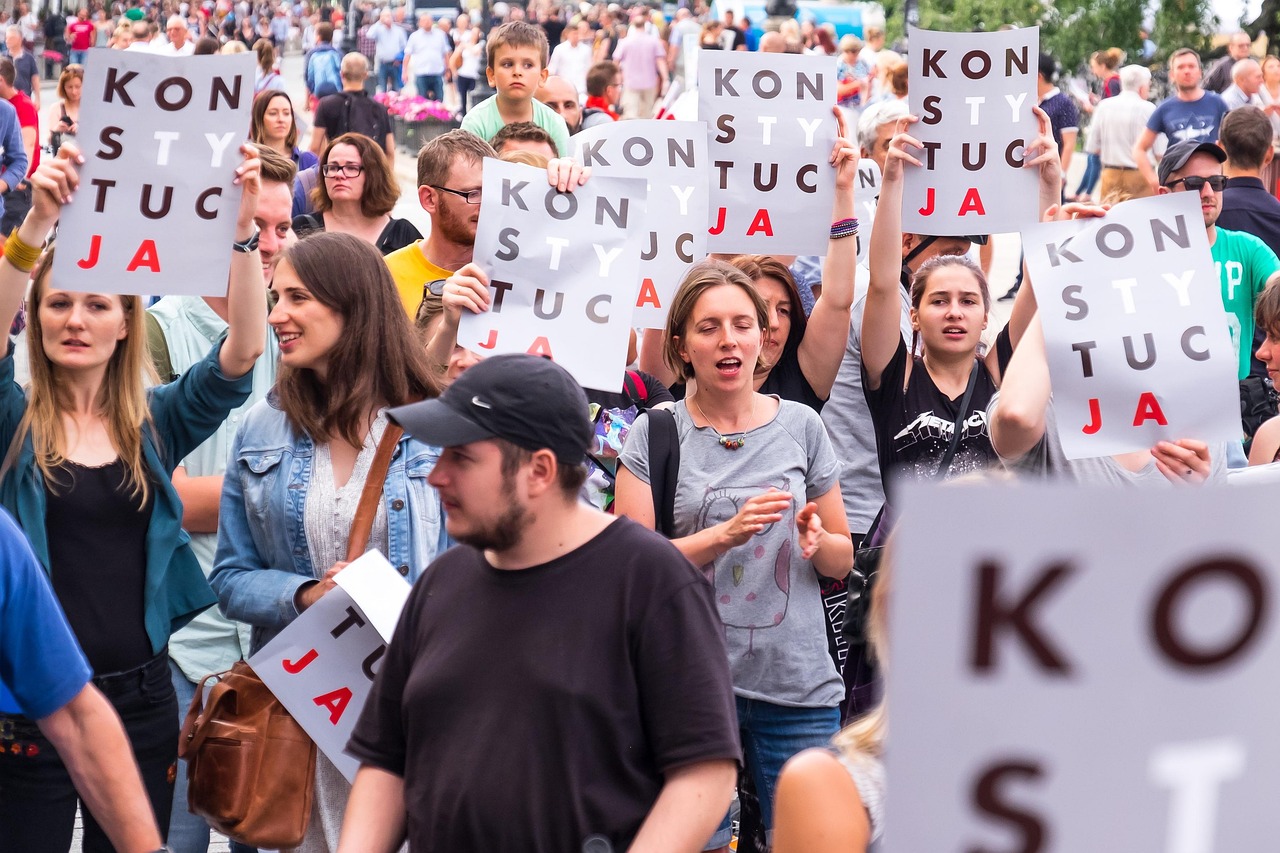
Polarization on the Rise
Breaking Out: The Solution
Awareness is the first step. Diversify your news sources, follow people with different views, and use tools that break the bubble. Some platforms are experimenting with showing ‘other side’ content. Ultimately, we must demand algorithmic transparency from big tech.
The filter bubble is an invisible auto-propaganda, indoctrinating us with our own ideas.
Eli Pariser
Enjoyed this?

Written by
Ananya Iyer