
World · #ClimateChange · #FoodSecurity · #Nutrition · #World
The Great Nutrient Collapse: Why Our Food Is Getting Less Nutritious
Rising CO2 levels are silently stripping essential nutrients from the staple crops that feed the world. Here’s what that means for global health.
The Hidden Cost of CO2
While we focus on warming temperatures and extreme weather, a subtler consequence of rising CO2 is often overlooked: it reduces the concentration of protein, iron, and zinc in staple crops like wheat, rice, and soybeans. This phenomenon is called the 'nutrient collapse' and it threatens global nutrition.
We are essentially watching the slow erosion of the nutritional foundation of our food supply.
Samuel Myers, Harvard T.H. Chan School of Public Health
Wheat Fields Under Pressure
Billions at Risk
By 2050, an estimated 175 million people could become newly zinc-deficient, and 122 million protein-deficient, due to CO2-driven nutrient loss. The hardest-hit regions are already vulnerable: South Asia, Africa, and the Middle East.
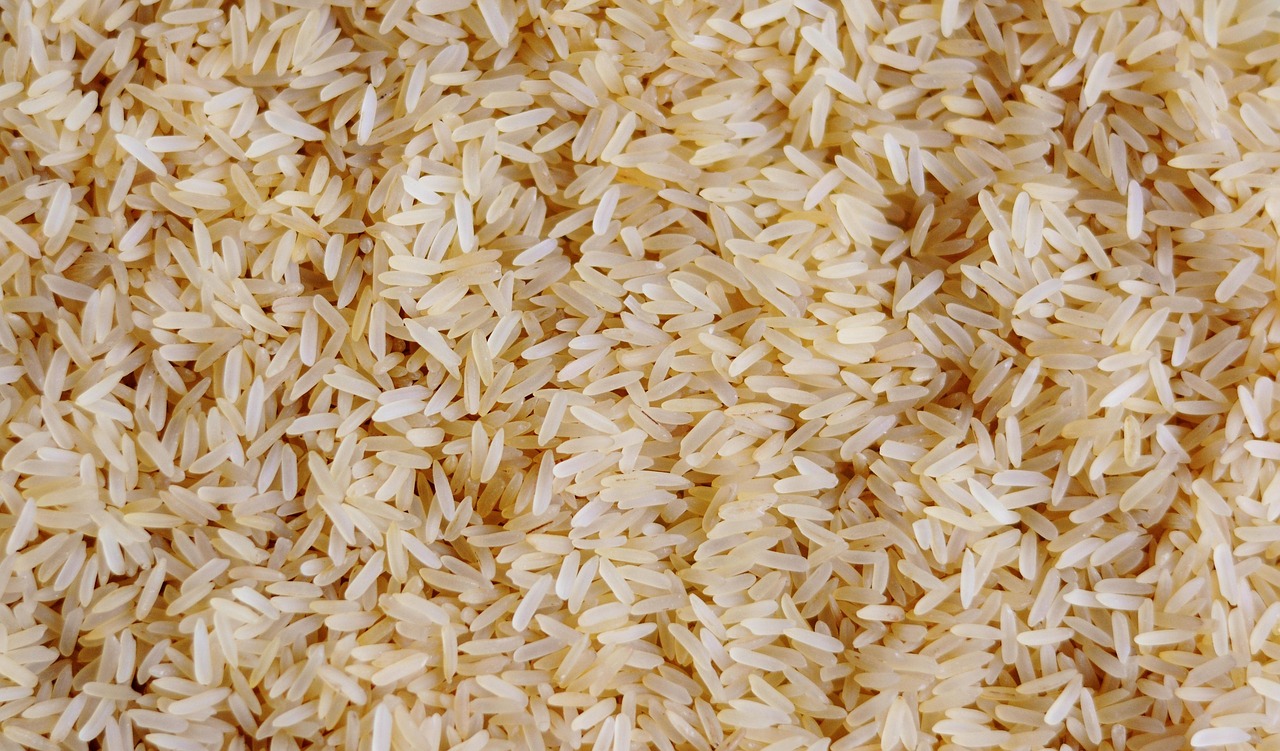
A Vulnerable Harvest
Not Just Calories – Quality Matters
For decades, agricultural research focused on yield – producing more calories per acre. But quality is declining. A bowl of rice in 2050 may have the same number of calories but lack the nutrients needed to prevent stunting and anemia.
What Can Be Done?
Solutions include breeding more nutrient-dense crop varieties, diversifying diets with legumes and vegetables, and reducing emissions to slow CO2 rise. But time is short. The nutrient collapse is a quiet crisis that demands immediate attention.
Enjoyed this?
V
Written by
Vikram Joshi