
Society · #UrbanResilience · #Antifragile · #CityPlanning · #Society
The Hidden Cost of Convenience: How Optimized Cities Weaken Our Resilience
Our cities are designed for maximum efficiency, but at what cost? This thread explores how over-optimization makes us vulnerable.
The Efficiency Trap
The Fragility of Efficiency
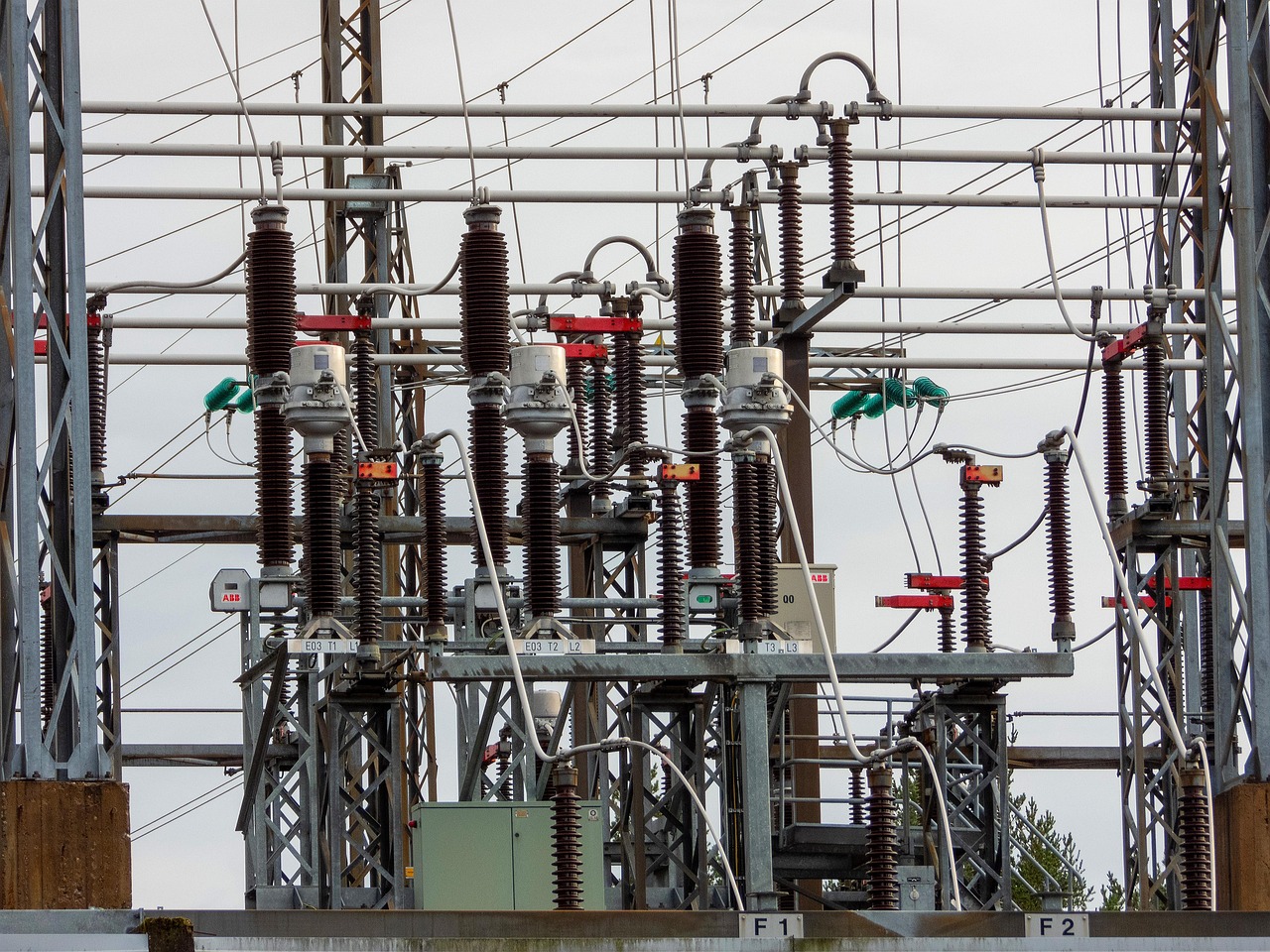
When a system is stripped of slack, any disruption cascades. A single point of failure—a downed power line, a closed port—can paralyze a metropolis. We've traded robustness for speed.
The optimiser is the one who makes the system efficient but fragile. The resilient is the one who accepts inefficiency to survive shocks.
Nassim Nicholas Taleb
Redundancy Is Not Waste
Nature thrives on redundancy: multiple pathways, backups, diversity. In cities, we need decentralized food production, local energy storage, and distributed water supplies. These aren't luxuries—they're insurance.
Community Resilience
Designing for Antifragility
Instead of just withstanding shocks, cities could gain from them. Think pop-up markets after disasters, adaptable building codes, or modular infrastructure. The goal is to make our cities not just robust, but antifragile.
The Choice Ahead
We can continue optimizing for the present, or we can intentionally introduce slack, diversity, and decentralization. It's a choice between a brittle machine and a living ecosystem.
Enjoyed this?

Written by
Arjun Nair