
World · #FashionRevolution · #EthicalFashion · #Sustainability · #Justice
The Hidden Cost of Fast Fashion: Who Pays?
The true price of a $5 t-shirt is paid by garment workers and the planet. Here's how the fashion industry's race to the bottom keeps costs low for consumers but high for humanity.
The Race to the Bottom
Fast fashion brands compete to offer the lowest prices. To achieve this, they outsource production to countries with weak labor laws and environmental regulations, squeezing suppliers who then cut corners on wages, safety, and materials.
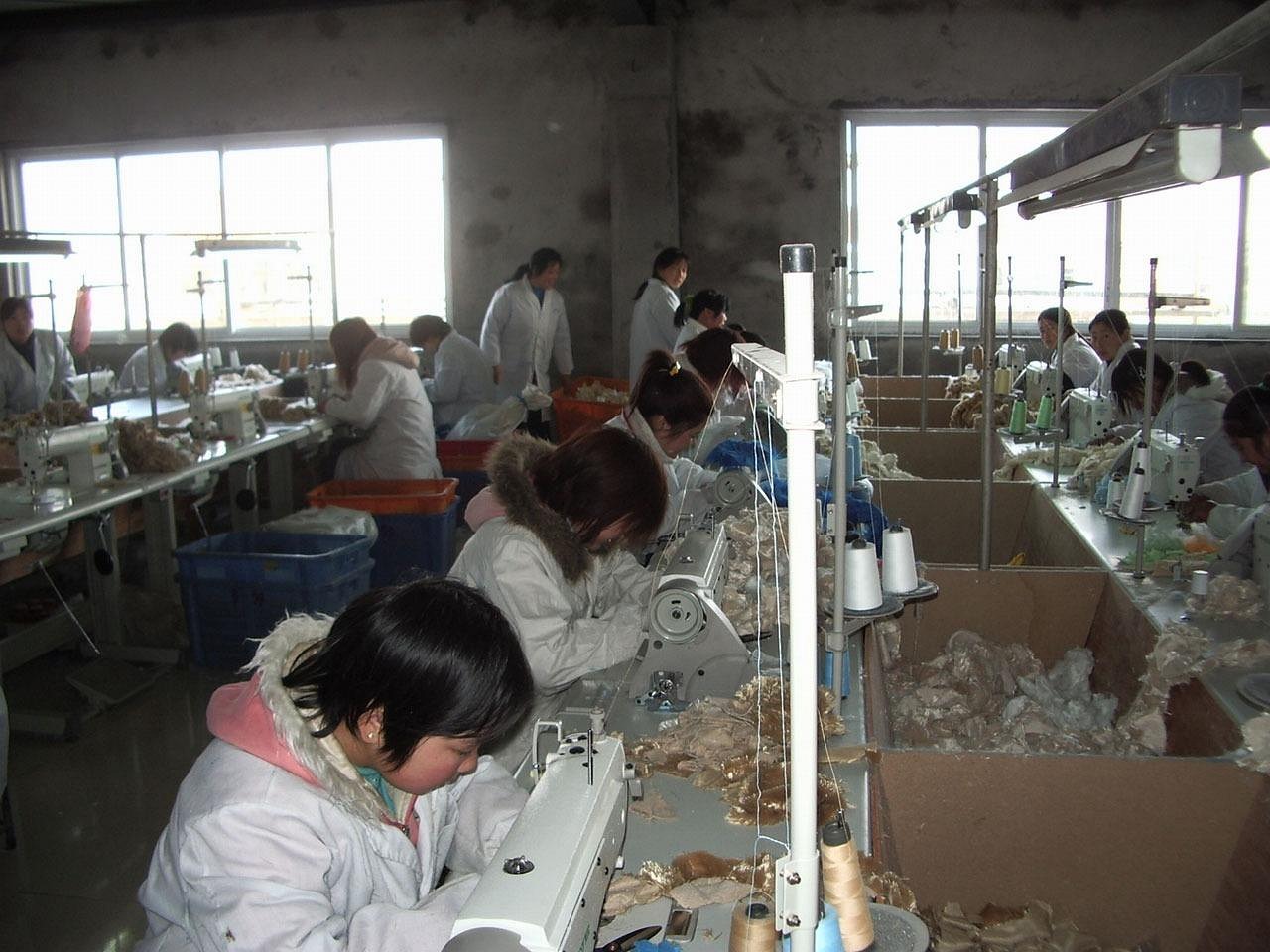
Garment Workers in Bangladesh
We are not machines. We need to eat, rest, and live with dignity.
Kalpona Akter, garment worker and activist
Environmental Toll
The fashion industry produces 10% of global carbon emissions and is the second-largest consumer of water. Microplastics from synthetic fabrics pollute oceans, and textile waste fills landfills at a rate of one garbage truck per second.

Textile Waste in the Atacama Desert
Who Pays the Price?
Consumers pay a low price, but garment workers pay with their health and livelihoods, and the planet pays with its resources. The true cost is externalized onto the most vulnerable, creating an unjust system that demands change.
What Can We Do?
Buy less, choose quality, support brands with transparent supply chains, and demand legislation that holds corporations accountable. Every purchase is a vote for the kind of world we want to live in.
Enjoyed this?
A
Written by
Aditya Sharma