

Politics · #Politics · #Governance · #Democracy · #IslandEffect
The 'Island Effect': Why Small Nations Outperform Big Democracies
From Taiwan to New Zealand, smaller democracies consistently rank higher in governance quality. But why? The 'island effect' suggests geography and size matter more than ideology.
The Size–Quality Link
Size matters in governance. Small democracies (like Denmark, New Zealand, Taiwan) consistently top transparency, trust, and effectiveness indices. They avoid the 'too big to listen' trap—citizens feel heard, bureaucracy is leaner, and decisions are made closer to those affected.
The smaller the island, the larger the sense of collective responsibility.
David Starkey
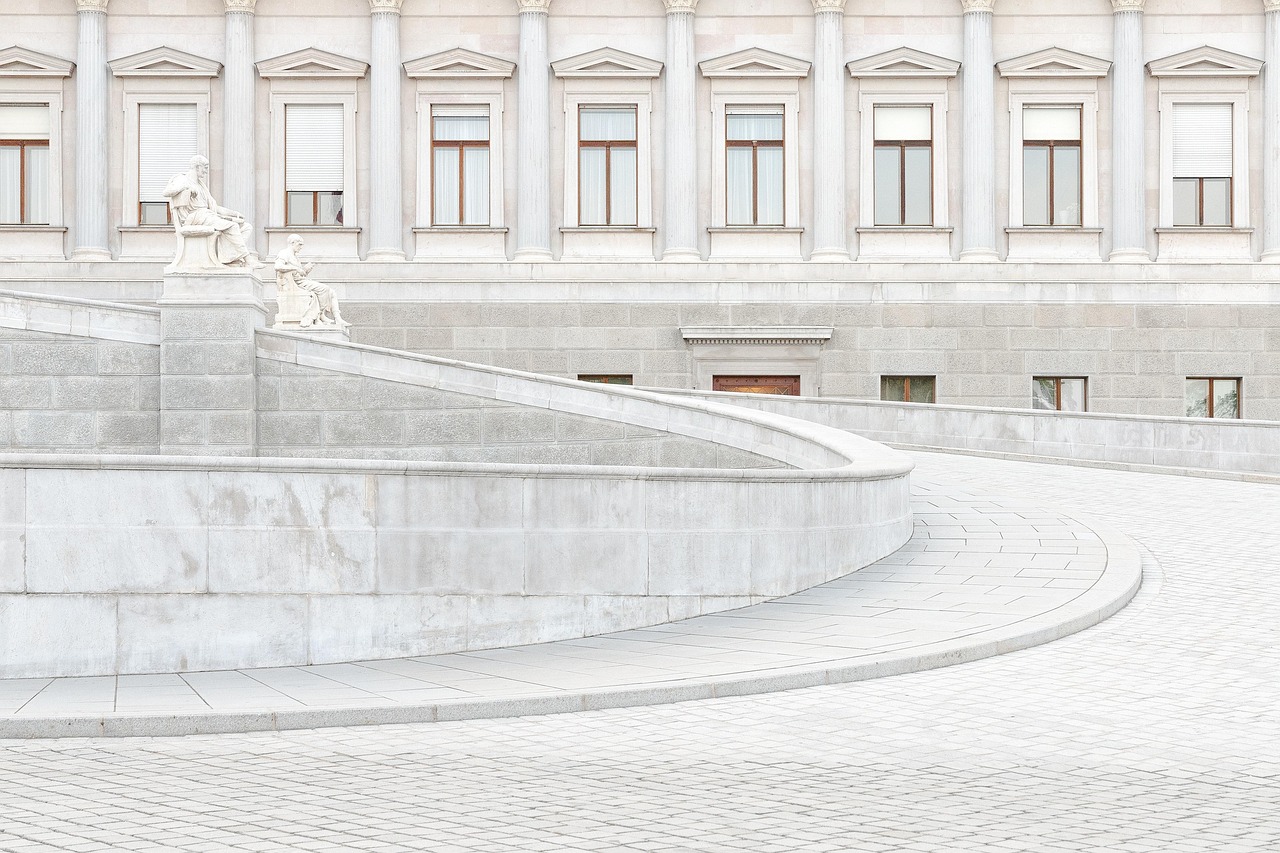
Taiwan's Legislative Yuan
Why Islands Work Better
Islands have natural borders, reducing external influence and fostering a shared identity. They also have a 'porch effect'—leaders are more accessible. In Malta or Iceland, citizens can directly petition ministers. This personal accountability breeds higher trust and lower corruption.

New Zealand's Parliament
The Big Democracy Dilemma
Large democracies like the US, India, or Brazil face 'scale decay'—representatives become disconnected, and special interests fill the gap. The US has 1 representative per 760,000 people; in Malta it's 1 per 8,000. Smaller polities can't guarantee this, but they show that size is a hidden variable in democratic health.
In large states, public happiness is sacrificed to private interest; in small ones, public interest is more easily felt.
Montesquieu
Enjoyed this?

Written by
Kavya Reddy