The Lost Art of Walking by Moonlight
Before streetlights, people walked by moonlight — and it changed how they thought, dreamed, and connected.
A World Without Streetlights
Imagine stepping outside on a moonless night before the 19th century. Darkness was absolute, broken only by a lantern or the moon. People knew the phases of the moon intimately — it dictated travel, work, and even social gatherings.
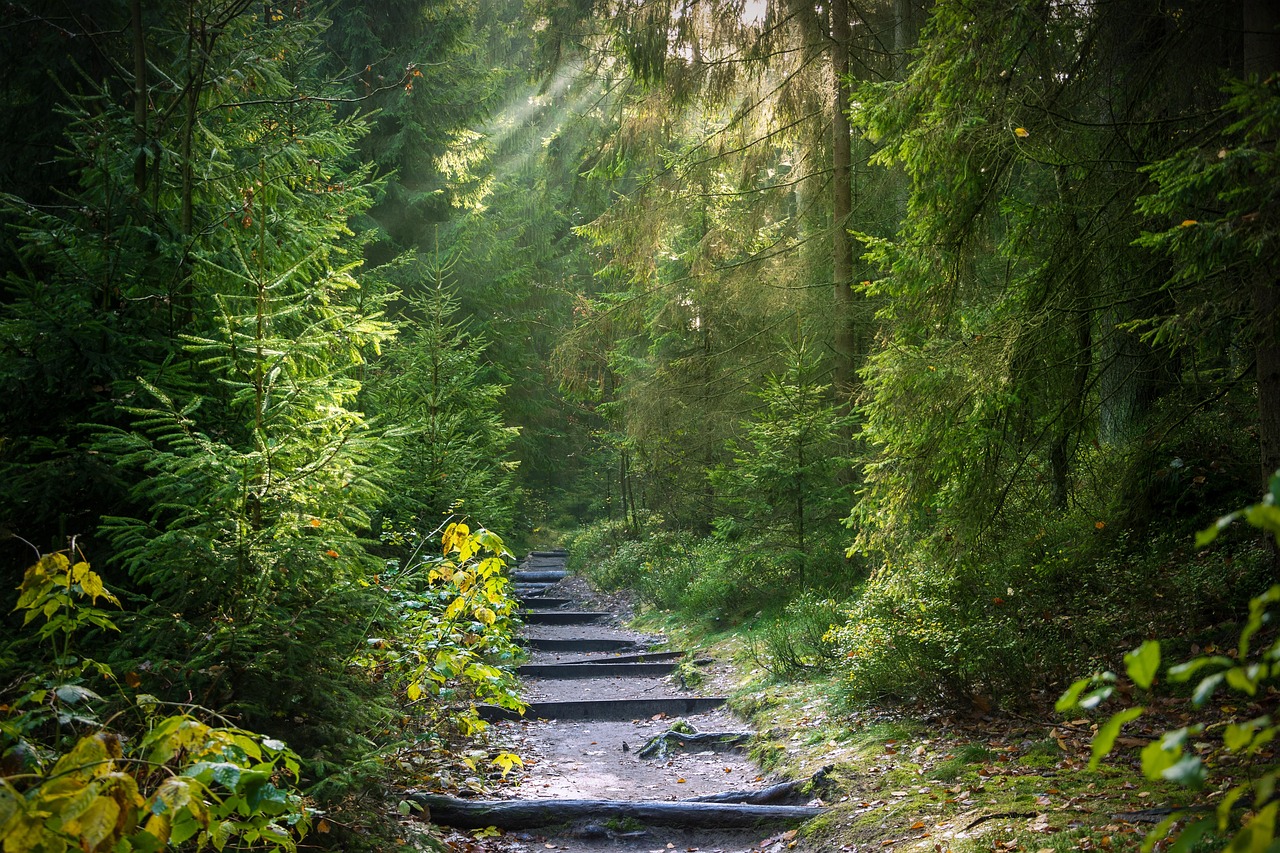
Moonlit Path
A winding dirt road bathed in silver light, leading into a dark forest.
The moon is a friend for the lonesome to talk to.
The Night Walk as Ritual
In many cultures, walking by moonlight was a form of meditation. Without distraction, the mind wandered deeper. Lovers met under the moon, poets found verses, and thinkers solved problems. The quiet darkness invited introspection.
Silhouette Under the Moon
A lone figure walking across an open field, the full moon huge on the horizon.
What We Lost
Today, artificial light has erased lunar dependence. We rarely notice the moon's phase or schedule our lives around it. But maybe we lost more than convenience — we lost a nightly invitation to stillness, to wonder, to the simple act of walking under a sky full of stars.