The Lost Art of Wandering: Why Unplanned Travel Fuels Discovery
We plan every minute of our trips, but the best memories often come from getting lost. Here's why embracing the unknown can transform how you travel.
The Overplanned Trap
In the age of Google Maps and TripAdvisor, we've optimized the fun out of travel. Every hour is scheduled, every restaurant reviewed. But this leaves no room for the unexpected—the spontaneous detour that leads to a hidden courtyard or a conversation with a local. True discovery requires letting go of control.
Not all those who wander are lost.
The Psychology of Surprise
Neuroscience shows that novelty and surprise trigger dopamine, the reward chemical. When we follow a strict itinerary, we reduce novelty. By leaving gaps in your schedule—even just an afternoon with no plans—you invite serendipity. That unmarked trail or festival you stumble upon becomes a highlight because it's unexpected.
Getting Lost in a City
A winding alley in an old European city, leading to a hidden square with a fountain and café. The joy of not knowing what's around the next corner.
How to Practice Intentional Wandering
Start small: pick a neighborhood with no map, just a direction. Leave your phone in your pocket. Ask locals for recommendations instead of searching online. Take the bus to the end of the line. The goal is not to see everything, but to feel the place. You'll return with stories, not just photos.
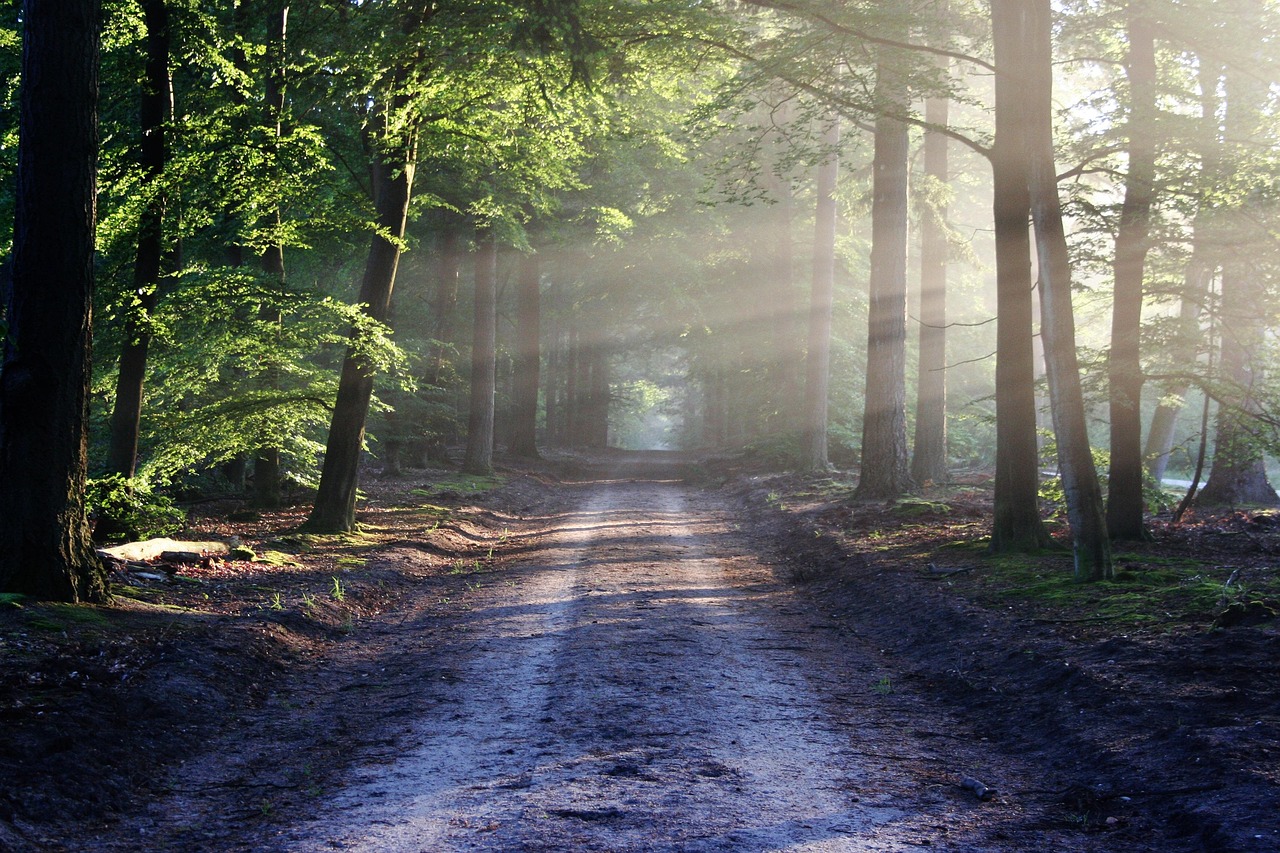
A Path Less Traveled
A dirt path winding through a lush forest, sunlight filtering through the leaves. No signs, no crowds—just the promise of adventure.
The real voyage of discovery consists not in seeking new landscapes, but in having new eyes.