
Music · #PerfectPitch · #MusicEducation · #MusicTheory · #EarTraining
The Myth of Perfect Pitch: Why Most Musicians Don't Have It
Perfect pitch is often romanticized as the ultimate musical gift, but the truth is more nuanced. Here are some myths and realities about this rare ability.
Myth: Perfect pitch is a gift you're born with
Many believe perfect pitch is purely genetic. In reality, while genetics play a role, environment is crucial. Most people with perfect pitch had early musical training before age 6. Without exposure, the ability doesn't develop. It's a skill that can be learned, though with more difficulty later in life.
Perfect pitch is not a magical gift, but a product of early and intense musical exposure.
Diana Deutsch, psychologist
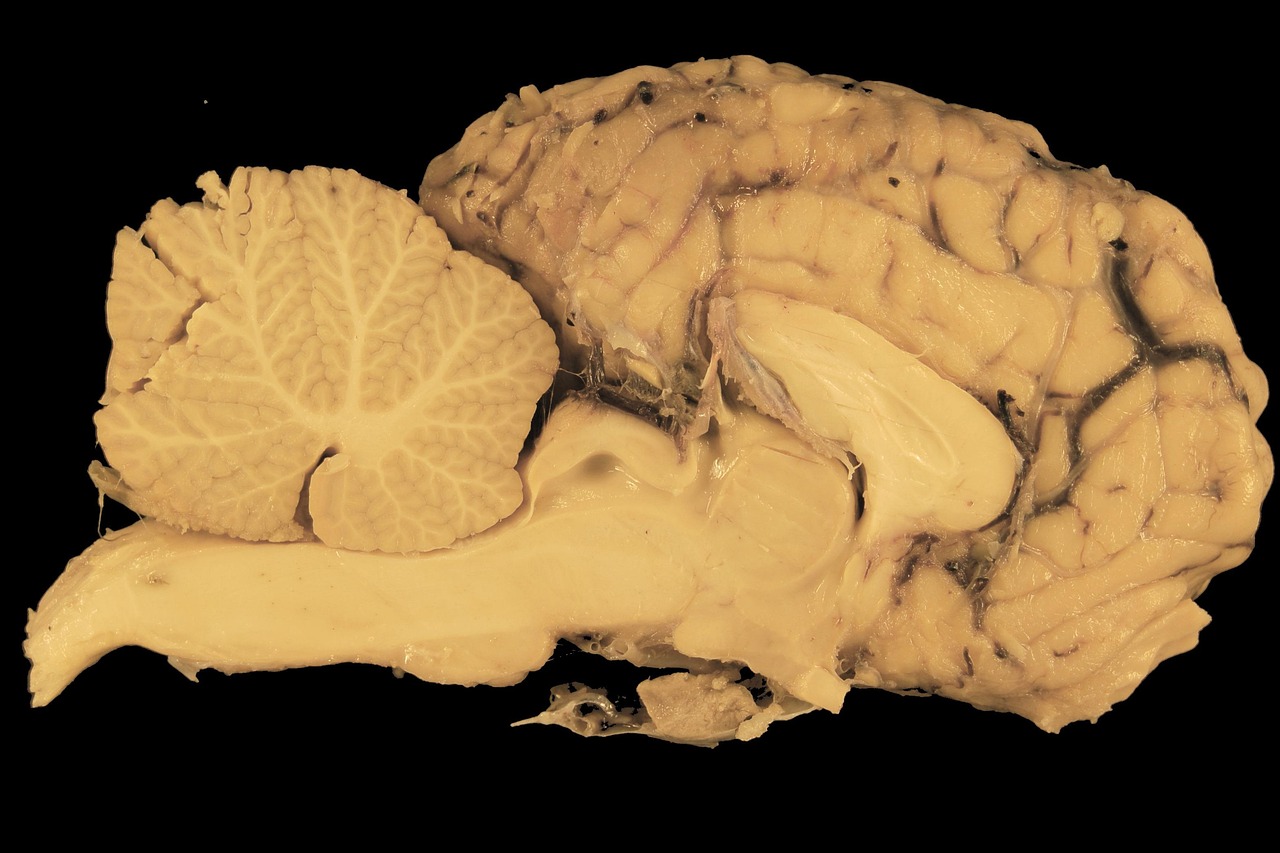
Brain on music
Myth: Perfect pitch is always accurate
Even those with perfect pitch can be fooled. Their pitch memory is tied to their first instrument and tuning standard. If they learned on a piano tuned to A=440 Hz, they may perceive modern orchestras (tuned to A=442) as sharp. Also, extreme fatigue or aging can affect accuracy.
Myth: Perfect pitch makes you a better musician
There is no evidence that perfect pitch correlates with overall musicianship. In fact, some studies suggest it can be a hindrance: these musicians may struggle with transposing music or playing in different tunings. Relative pitch, the ability to identify intervals, is far more important for musical flexibility.

Practice and training
Myth: Perfect pitch is the ultimate goal
While perfect pitch is impressive, it's not necessary for musical excellence. Most professional musicians rely on relative pitch, which is trainable at any age. Focus on developing your ear through active listening and interval training—that's what truly unlocks musicality.
Enjoyed this?
V
Written by
Vikram Joshi