The Paradox of Choice: Why More Makes Us Miserable
In modern society, abundance of choice seems liberating, but research shows it often leads to anxiety, regret, and paralysis. This thread explores the hidden costs of too many options.
The Supermarket Test
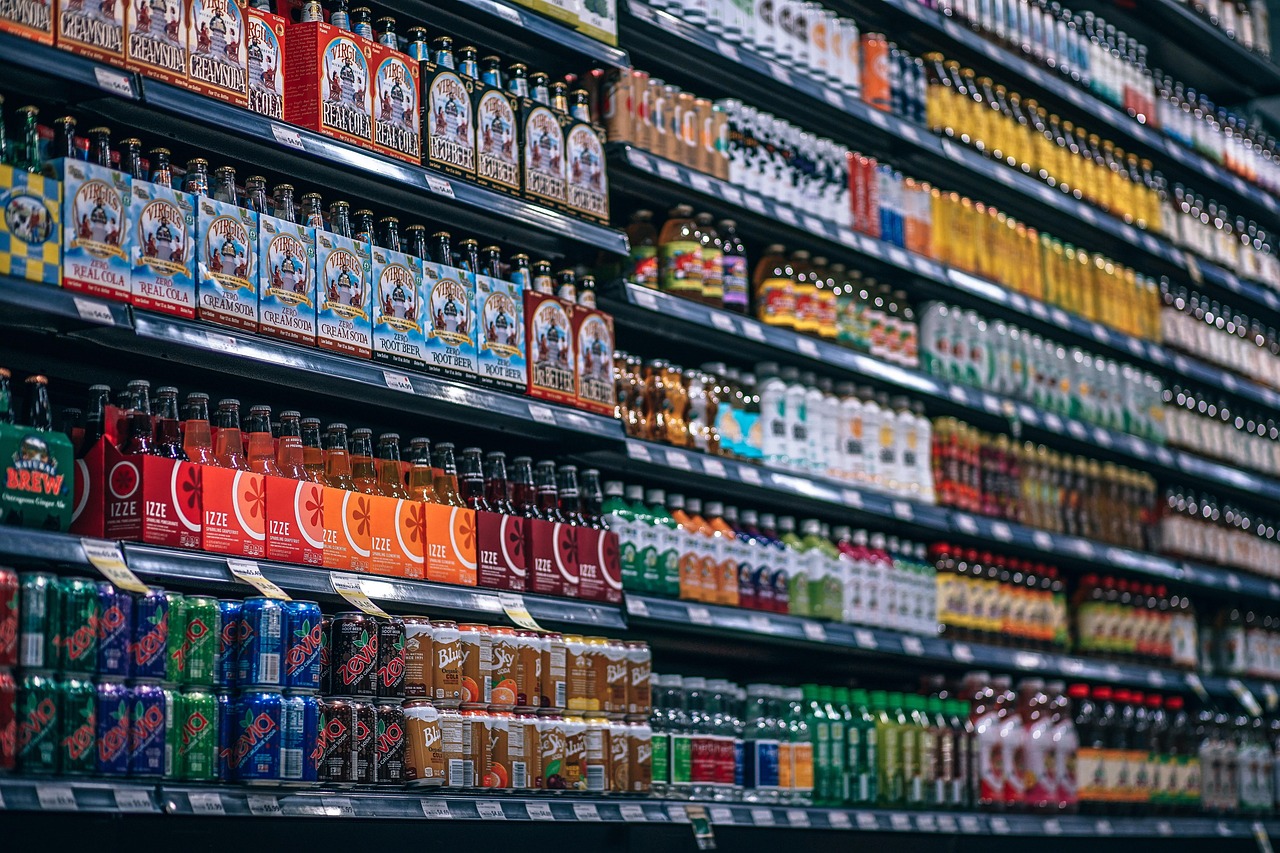
Imagine a supermarket with 24 varieties of jam. Shoppers stop, look, but buy less. When only 6 varieties are offered, sales increase tenfold. This isn't a fluke—it's the paradox of choice in action.
Learning to choose is hard. Learning to choose well is harder. And learning to choose well in a world of unlimited possibilities is harder still, perhaps too hard.
Endless Options
A wall of 50 different olive oils—each promising a unique flavor—overwhelms rather than delights.
Opportunity Cost Overload
Every choice excludes alternatives. With more options, we imagine all the 'perfect' possibilities we're missing. This amplifies regret, even when our choice is objectively good.
Escalating Expectations
When options are few, we accept 'good enough.' With abundance, we demand 'the best.' But perfection is elusive, so satisfaction drops. The more we have, the less we appreciate.
The Wedding Dilemma
A bride staring at 30 wedding dresses on racks, overwhelmed by the fear of picking the wrong one.
The Cure: Satisfice
Herbert Simon coined 'satisficing': choosing the first option that meets your criteria. It's not settling—it's freedom. Stop maximizing, start satisficing. You'll be happier.