The Power of Narratives: How Stories Shape Our World
Explore how the stories we tell ourselves and others influence global politics, culture, and economics.
Stories as Blueprints
Every society is built on a web of shared narratives—myths, histories, and ideologies. These stories define what is considered 'normal,' who belongs, and what is worth striving for. They are not mere entertainment; they are the blueprints for our institutions, laws, and economies.
Those who tell the stories rule the world.
The Clash of Narratives
Today, global conflicts often arise from competing narratives. The same event can be framed as liberation or terrorism, depending on the storyteller. This narrative battle shapes international relations, fueling polarization and making compromise difficult. Understanding these frames is key to resolving conflicts.
Maps as Tools of Narrative
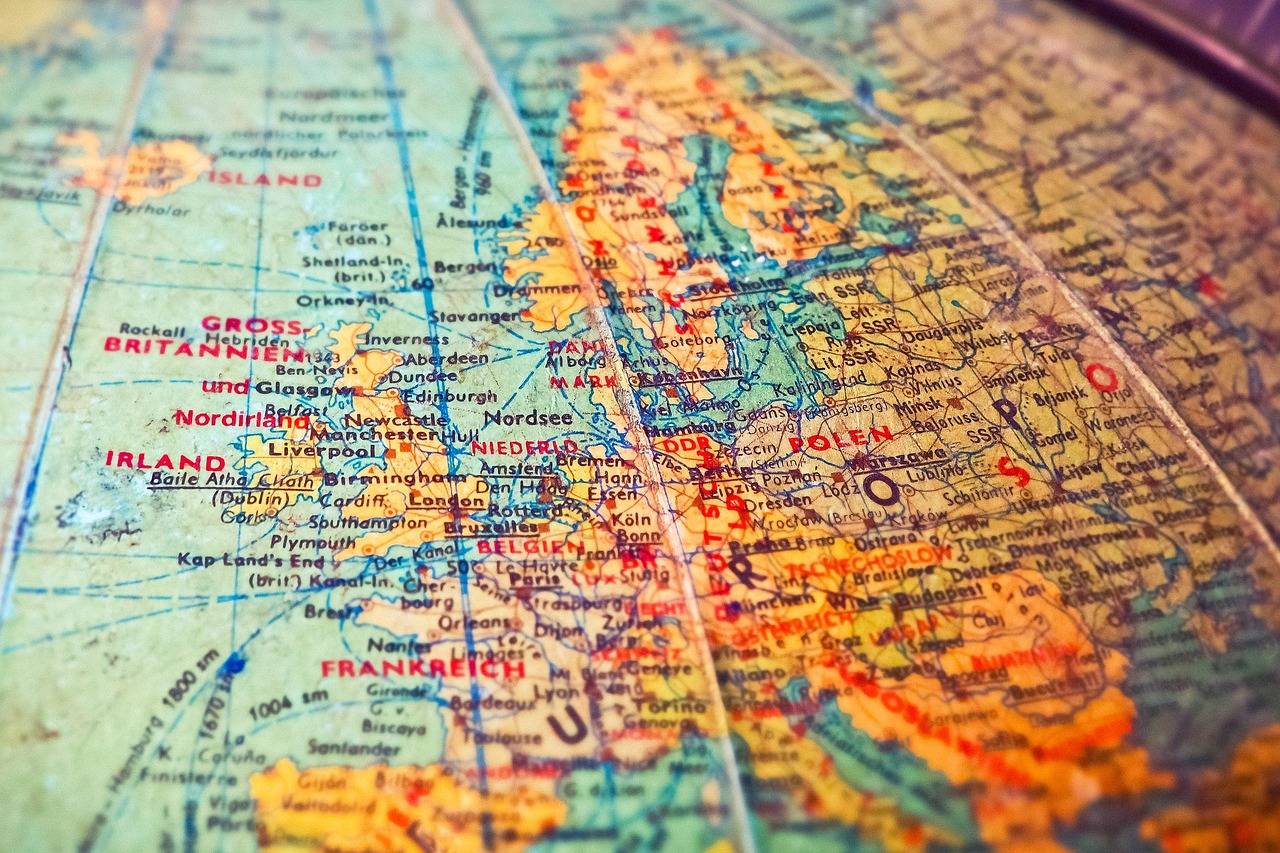
Maps are not objective; they reflect the cartographer's perspective, shaping how we see the world and our place in it.
Economic Stories
Markets are driven by narratives as much as by numbers. The 'story' of a company's potential can inflate its stock price, while a country's economic narrative influences investment. These stories can become self-fulfilling prophecies, creating booms and busts that affect millions.
Media's Role in Shaping Reality
Media outlets choose which stories to tell and how, influencing public opinion and policy. Their framing can normalize certain ideas and marginalize others.
The most powerful person in the world is the storyteller.