

Culture · #AncientGreece · #HonorCulture · #Philosophy · #TimelessWisdom
Why Ancient Greeks Had a Word for 'Love of Honor' Over Wealth
The ancient Greeks prized honor (philotimia) above material wealth, shaping their culture in ways that still echo today.
Philotimia: More Than Ambition
The Greek word 'philotimia' literally means 'love of honor.' Unlike modern ambition, which often seeks wealth or power, philotimia was a deep craving for public recognition and esteem. It drove citizens to compete in athletic games, fund public works, and fight bravely in battle—all for the sake of a good reputation.
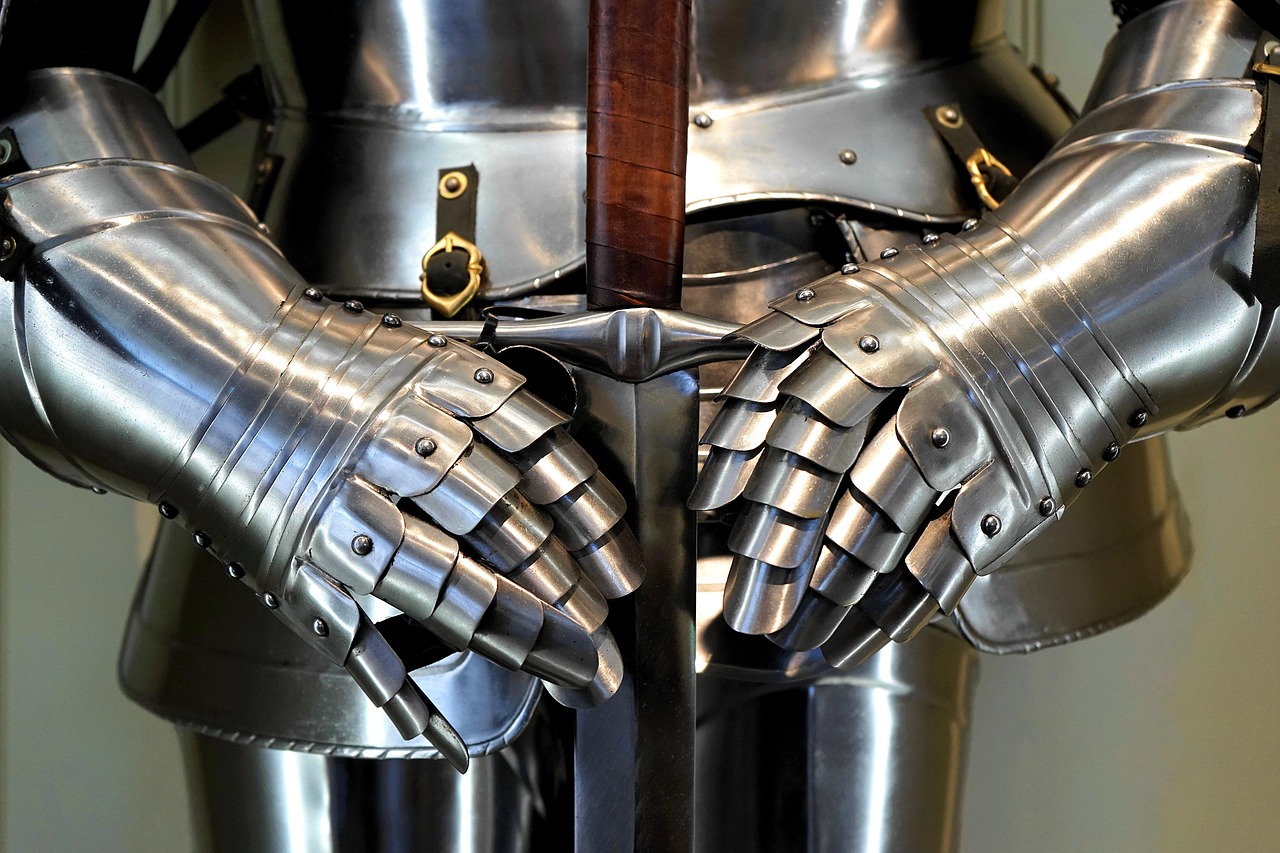
A Warrior's Reward
A man who has no sense of honor is worse than a beast.
Sophocles
The Shame Culture
Unlike modern guilt cultures, where internal conscience rules, ancient Greece was a shame culture. Individuals acted based on how they would be perceived by others. Public shaming was a powerful deterrent; honor was something to be won and defended publicly. This external focus shaped their politics, art, and daily interactions.
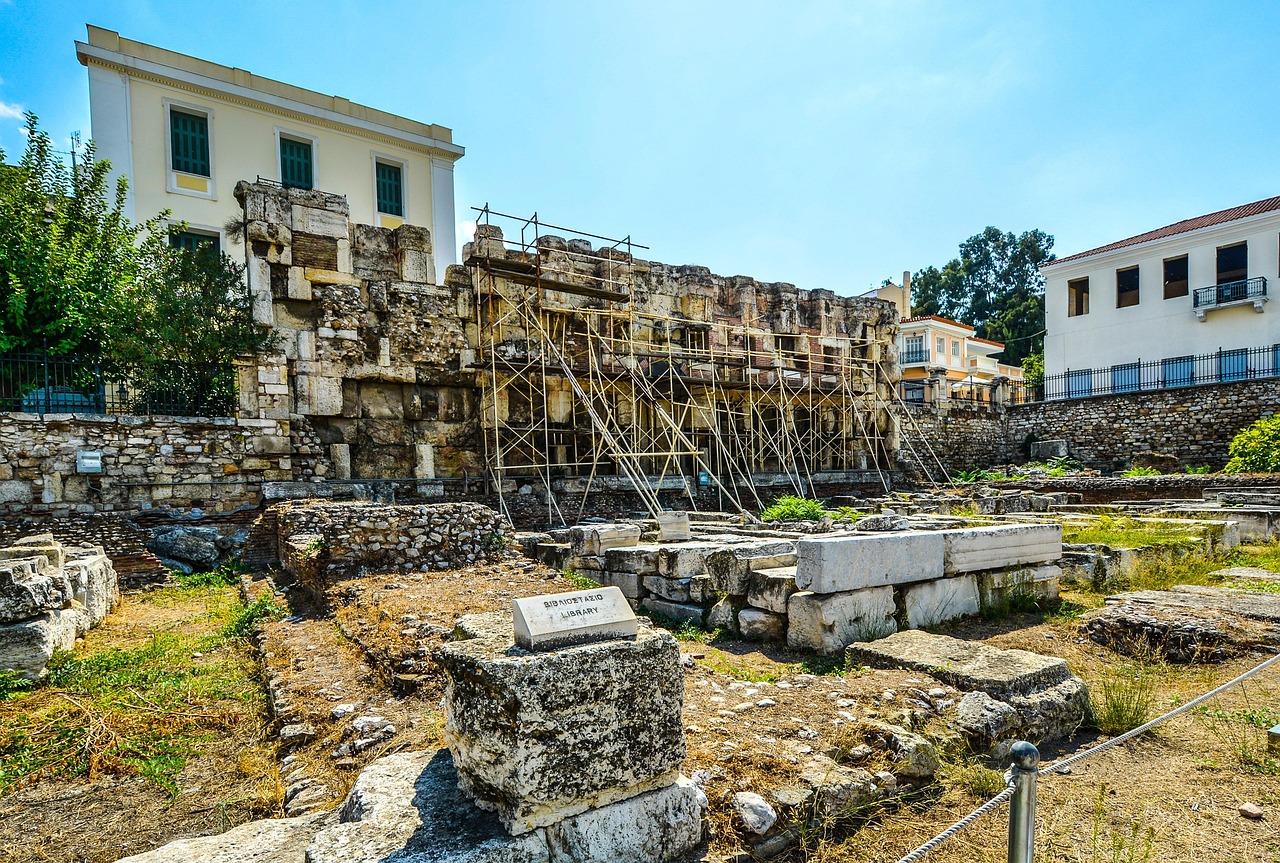
The Agora: Stage for Honor
Honor vs. Wealth Today
We still inherit this love of honor, but it's often distorted. Social media 'likes' are modern philotimia—a public scorecard of approval. Yet we've lost the communal context: ancient Greeks earned honor through tangible contributions, not just online signals. Their system demanded real sacrifice for the community's sake.
Wealth may buy applause, but only honor earns respect.
Unknown
Enjoyed this?

Written by
Ananya Iyer