
Culture · #MedievalHistory · #Architecture · #Imperfection · #Culture
Why Medieval Cathedrals Were Built for Imperfection
Medieval cathedrals took centuries to build, and their construction reveals a cultural attitude toward imperfection that challenges modern notions of efficiency and flawlessness.
The Long Game
Medieval cathedrals often took over 100 years to complete. Builders knew they would never see the finished work. This wasn't inefficiency—it was a commitment to a vision that transcended individual lifetimes. The culture valued participation in a divine project over personal achievement.
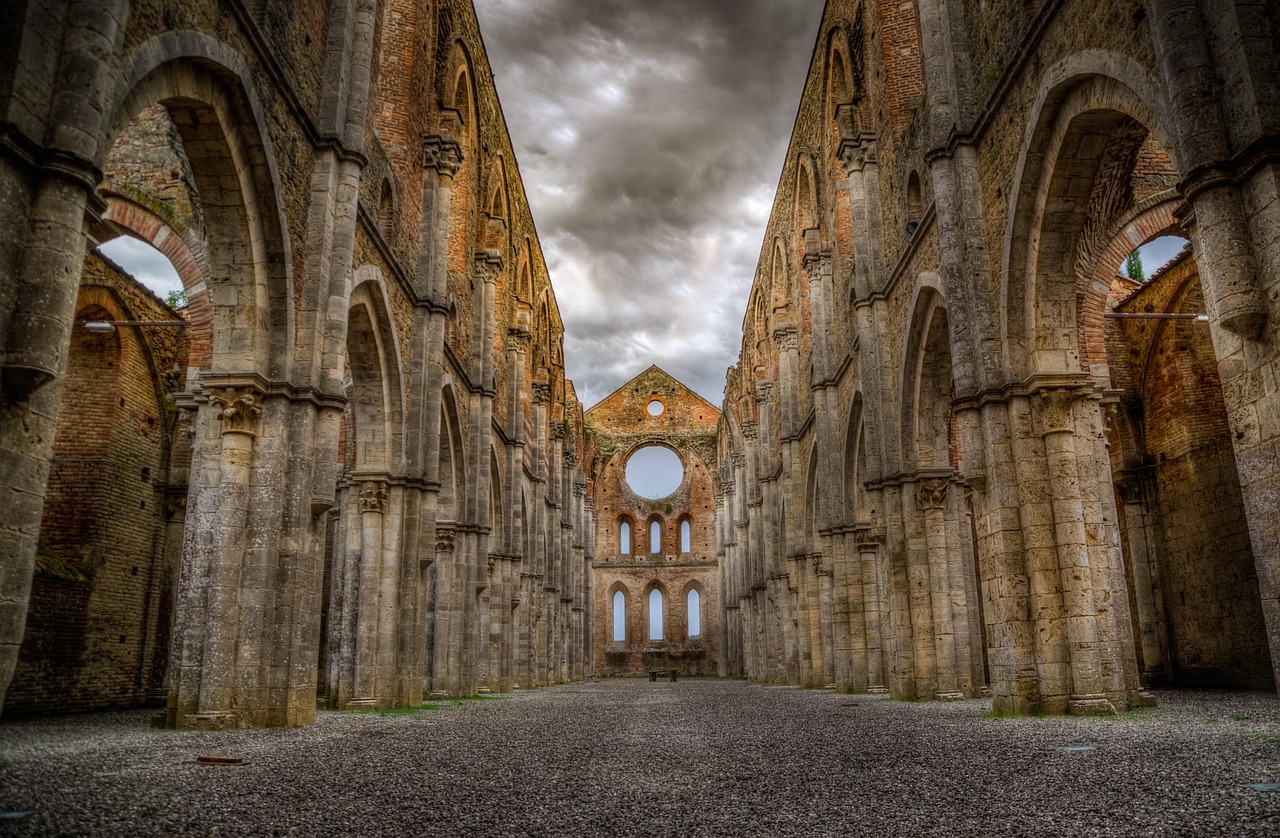
The Unfinished Facade
The cathedral is not a finished product; it is a process. Its imperfection is its truth.
John Ruskin
The Flaw as Feature
Instead of hiding mistakes, medieval masons often incorporated them into the design. Asymmetrical windows, mismatched columns, and 'mason's marks' (signatures left on stones) celebrated human effort and fallibility. Perfection belonged only to God.
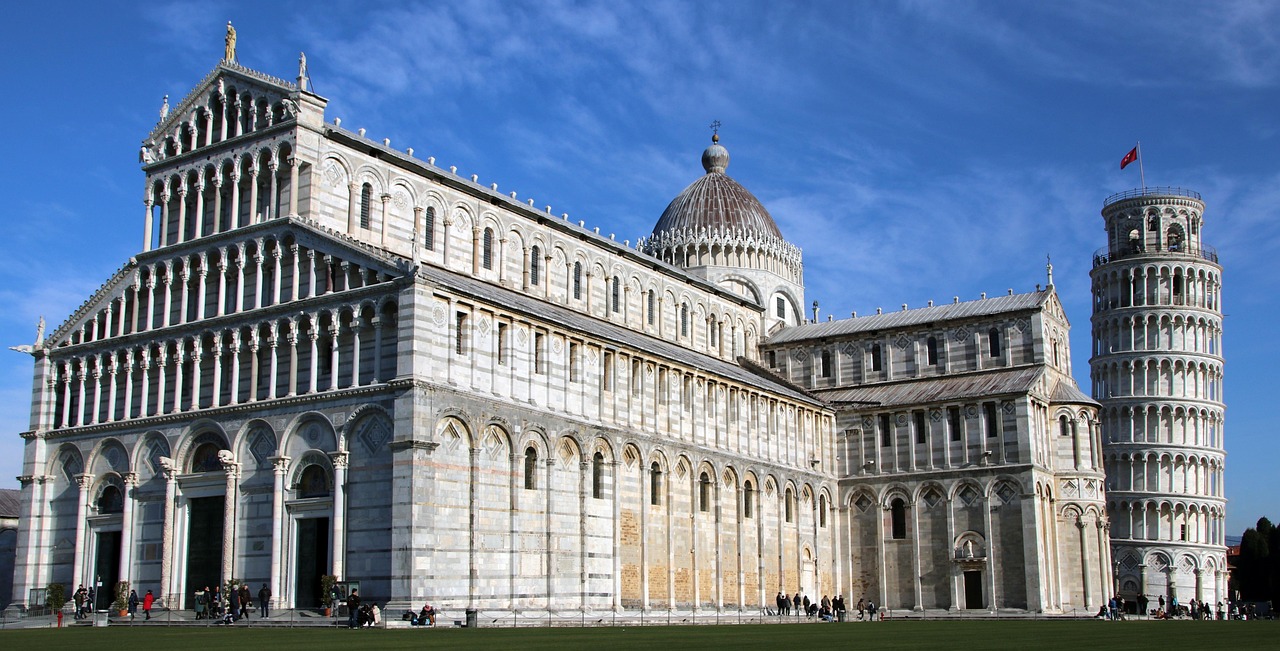
The Leaning Tower of Pisa
Lessons for Today
In a culture obsessed with flawless execution and instant results, medieval builders remind us that great things emerge from patience, collaboration, and the acceptance of imperfection. The cracks in the stone are not failures—they are the very essence of creation.
We shape our buildings; thereafter they shape us.
Winston Churchill
Enjoyed this?
K
Written by
Karan Malhotra