
Tech · #AnalogComputing · #FutureTech · #Physics · #Innovation
Why the Next Tech Revolution Is Analog
We're so focused on digital that we forget: nature, bodies, and atoms run on analog signals. The next breakthrough might be less about code and more about physics.
Digital's Hidden Cost
Every time you convert a real-world analog signal to digital, you lose information. Our cameras, microphones, and sensors all quantize continuous reality into discrete bits. That lost data might contain the nuance we need for true AI, precision robotics, or realistic simulations.
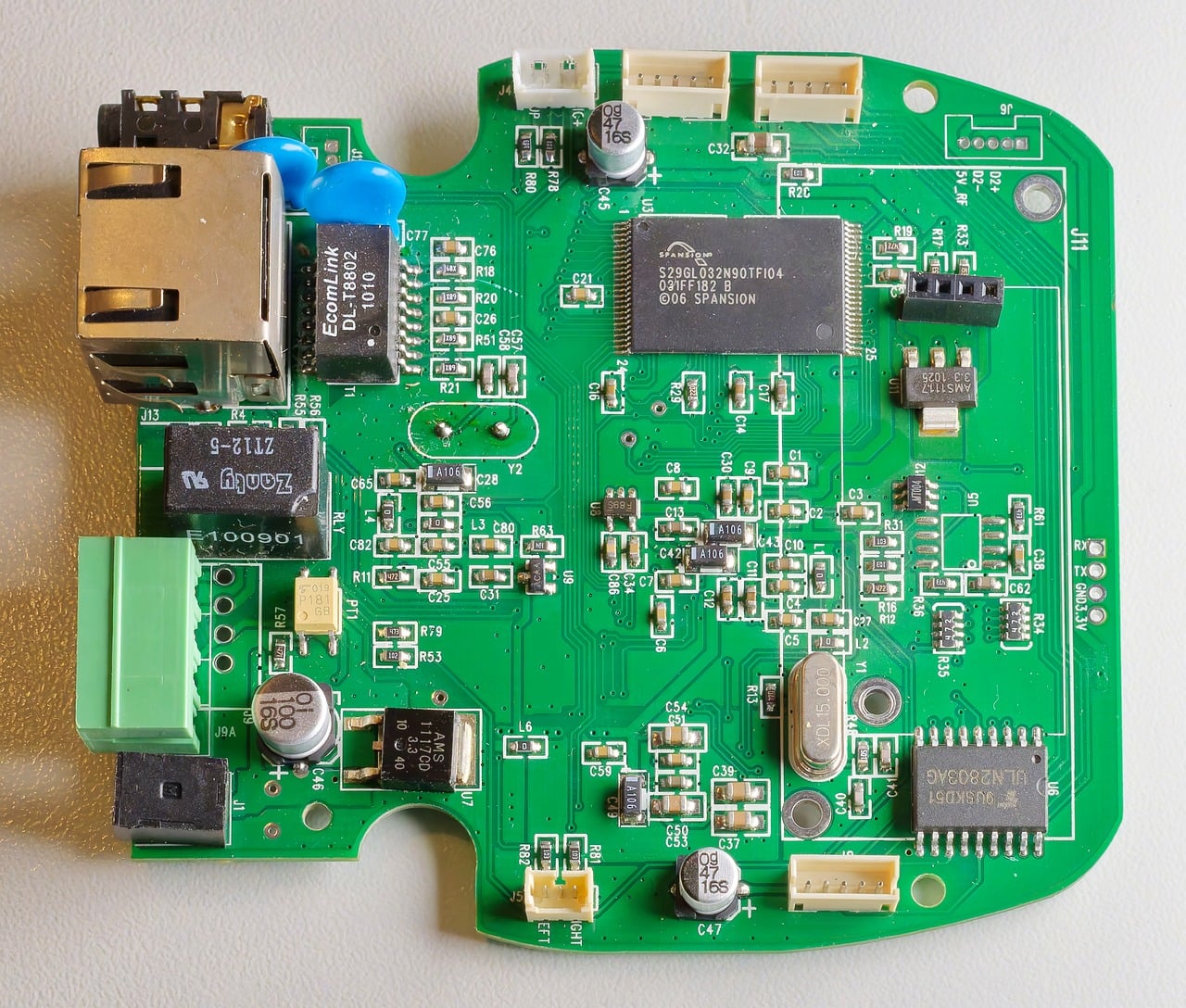
Analog Chip Design
The universe doesn't compute in binary. It's analog all the way down.
Unknown
The Efficiency Leap
Analog circuits can perform complex computations like matrix multiplications in a single step, using less power and space than digital equivalents. For neural networks, that means faster, greener AI. Startups are already building analog AI chips that outperform digital ones in specific tasks.
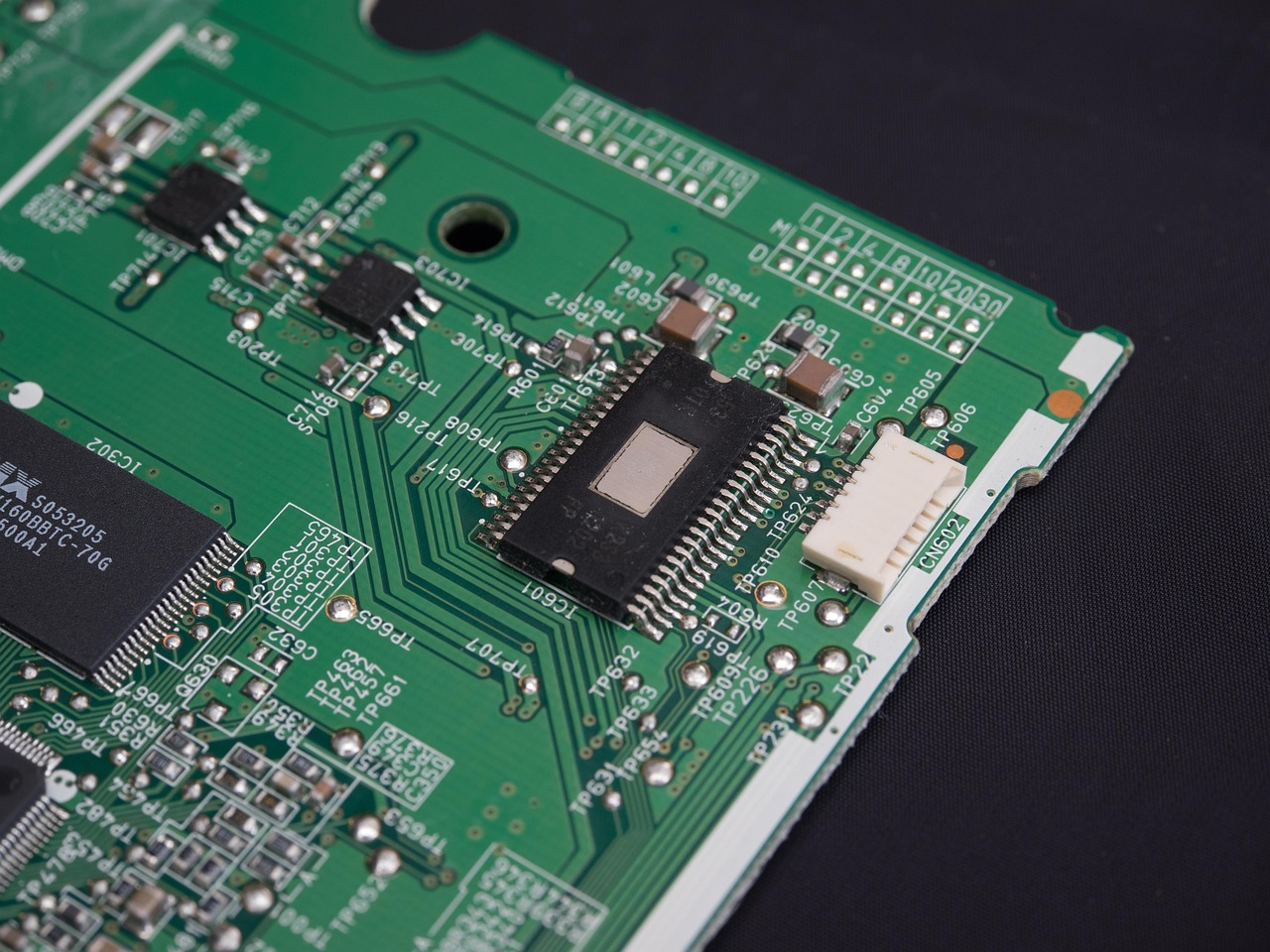
Neuromorphic Processor
Where Digital Fails
Real-time control systems — like robot arms or autonomous cars — suffer from digital latency. Analog computing can react in microseconds without clocks or sampling. It's not about replacing digital, but augmenting it where speed and energy matter most.
Analog is the ultimate low-level programming language. It's just physics.
Carver Mead
Enjoyed this?

Written by
Meera Krishnan