
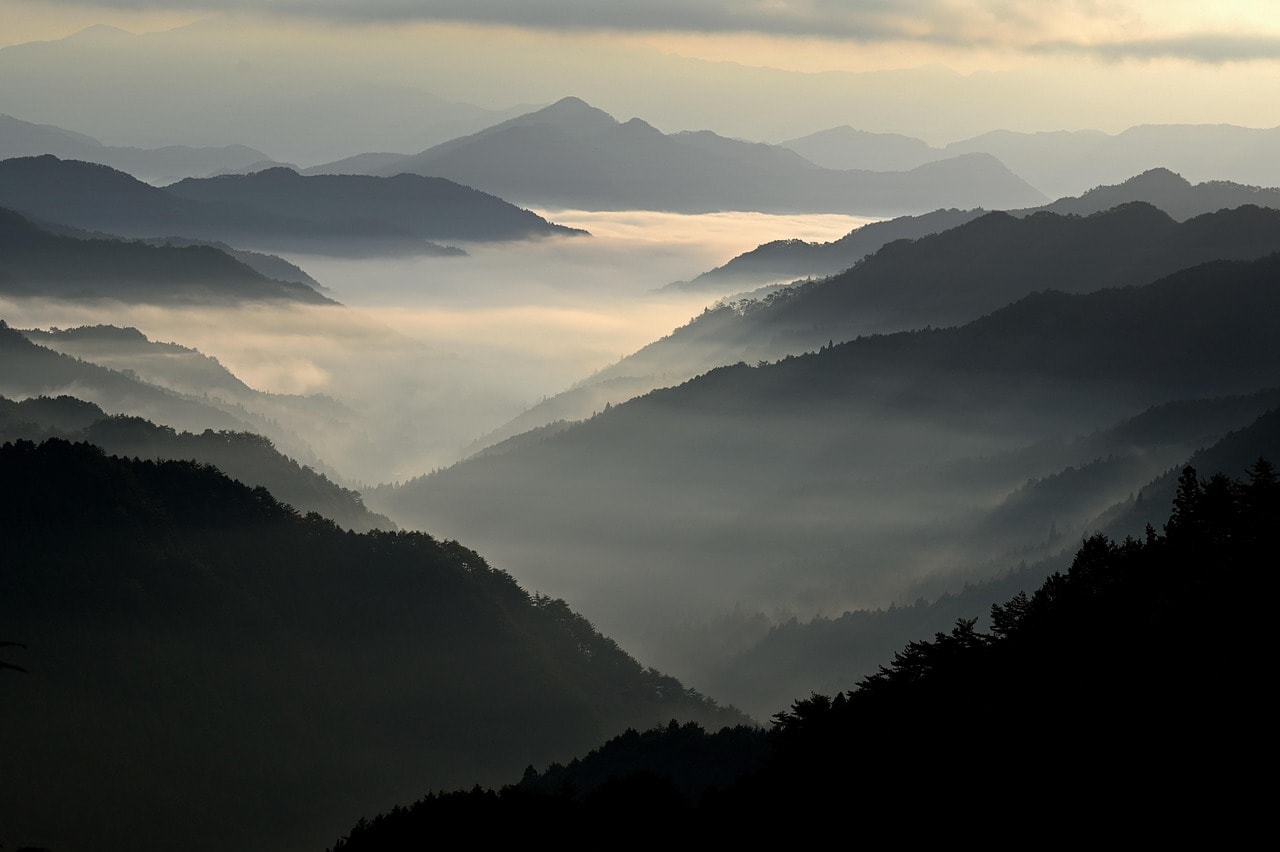
I landed in Tokyo with a backpack, a phrasebook, and a naive belief that I'd master the subway in a day. Three hours later, I was still circling Shinjuku Station, utterly lost. But that moment of confusion turned into a week of unexpected kindness—a stranger walked me to my hostel, refused my thanks, and disappeared into the crowd. That's Japan for solo travelers: intimidating at first, then deeply rewarding. Here's how to do it right.
Why Japan Is Perfect for Going Solo
Japan has a reputation for being expensive and impenetrable, but solo travel here is actually easier than in many Western countries. The infrastructure is flawless, crime is astonishingly low, and the culture of omotenashi (selfless hospitality) means you're never truly alone if you don't want to be. Plus, solo dining is normal—ramen shops have individual booths, and izakayas welcome single patrons.
What surprised me most was how freeing it felt. I could spend three hours in a tiny Kyoto garden without apologizing, or change plans on a whim to chase a festival in Osaka. No compromises, no scheduling conflicts. Just you and a country that rewards curiosity.
Budget Wisely: It's Cheaper Than You Think
Yes, the bullet train is pricey, but you don't need it for every leg. Overnight buses are comfortable and cost half as much. Hostels are clean, safe, and full of other solo travelers—I met a German cyclist in a Hiroshima hostel who became my travel buddy for a week.
"I budgeted $80 a day and actually spent $65. The key? Eat where the locals eat: convenience store breakfasts, standing soba bars, and supermarket discounts after 8 PM."
Here's a quick breakdown of daily costs for a mid-range solo traveler:
- Accommodation: $25–$45 (hostel dorm or capsule hotel)
- Food: $20–$30 (convenience store + one restaurant meal)
- Transport: $10–$15 (subway day pass or local trains)
- Activities: $10–$20 (temples, museums, a tea ceremony)
Get a Suica or Iccha card for trains and buses—it saves time and small change. And always carry cash; many small restaurants and shrines don't take cards.
Navigating Language and Etiquette Like a Pro
You don't need fluent Japanese, but a few phrases go a long way. Sumimasen (excuse me) opens doors—literally. Arigatou gozaimasu (thank you) earns smiles. Google Translate's camera mode is a lifesaver for menus and signs.
Etiquette matters more than you think. Don't eat while walking, don't tip (it can confuse or offend), and learn to slurp your noodles—it's a compliment to the chef. On trains, keep phone calls brief and quiet. When visiting temples, follow the purification ritual: rinse left hand, right hand, then mouth.
One more thing: always carry a small towel. Many public restrooms don't have hand dryers or paper towels. A tenugui (thin cotton towel) is cheap, lightweight, and endlessly useful.
Staying Safe and Connected
Japan is one of the safest countries for solo travelers, but common sense still applies. Avoid dark alleys in entertainment districts late at night, and keep an eye on your drink in busy bars. Women travelers report feeling safe, but some prefer women-only train cars during rush hour—they exist and are clearly marked.
For connectivity, rent a pocket Wi-Fi or buy a prepaid SIM at the airport. I used a Sakura Mobile SIM and had flawless service, even in rural Kyushu. Download offline maps (Maps.me) and a translation app before you go. And save your accommodation's address in Japanese—taxi drivers may not read English.
If you get lost, ask at a convenience store. Staff are trained to help and often walk you to the corner to point the way. That's the magic of Japan: help is never far.
Itinerary Ideas for First-Timers
Don't try to see everything. Pick two or three bases and explore deeply. My recommended route for a 10-day solo trip:
- Tokyo (4 days): Stay in Asakusa for old-world charm. Visit Senso-ji, explore Akihabara, and do a day trip to Nikko.
- Kyoto (3 days): Base near Kyoto Station. Hit Fushimi Inari at sunrise, then wander Gion in the evening.
- Osaka (2 days): Eat your way through Dotonbori. Take a day trip to Nara to feed the deer.
- Hiroshima (1 day): Pay respects at the Peace Memorial, then ferry to Miyajima for the floating torii gate.
If you have more time, add Kanazawa for samurai districts and Kenroku-en garden, or head to Sapporo for seafood and snow festivals.
Frequently Asked Questions
Is Japan safe for solo female travelers?
Absolutely. Japan consistently ranks among the safest countries for women. Harassment is rare, and public transport is well-lit and monitored. Still, trust your instincts, avoid isolated areas at night, and consider women-only train cars during peak hours. Many hostels offer female-only dorms for extra comfort.
Do I need to speak Japanese to travel alone?
Not at all. English signage is common in major cities, and translation apps work well. Learning basic phrases like sumimasen and arigatou will enhance your experience, but you can navigate, order food, and make friends without fluency. Pointing and smiling works wonders.
How much does a solo trip to Japan cost?
For a budget traveler, $70–$100 per day covers hostel, food, transport, and some activities. Mid-range (business hotels, occasional taxis) runs $150–$200 daily. The biggest splurge is transport—consider a Japan Rail Pass only if you're doing multiple long-distance trips. Otherwise, point-to-point tickets are cheaper.
Final Thoughts
Solo travel in Japan isn't just about seeing temples and eating ramen—it's about discovering your own resilience. You'll get lost, you'll mispronounce words, and you'll probably eat something you can't identify. But you'll also find moments of pure wonder: a quiet shrine at dawn, a stranger's kindness, the satisfaction of navigating a complex train system on your own. Go with an open mind, a flexible plan, and a sense of humor. Japan will take care of the rest.



Comments (0)
No comments yet. Be the first to comment!