

Art · #Art · #Imperfection · #Creativity · #Philosophy
The Unfinished Symphony: Why Great Art Thrives on Imperfection
A parable about a sculptor who discovers that perfection is the enemy of soul, and how the frayed edges of creation carry the truest voice.
The Sculptor's Obsession
In a small Italian village, a sculptor named Amadeo spent decades crafting a marble statue of a winged angel. He chiseled every feather to a razor's edge, polished every curve to mirror-like shine. But the more he refined, the more he felt a growing emptiness. The angel was flawless, yet it seemed lifeless, cold as the stone it came from.
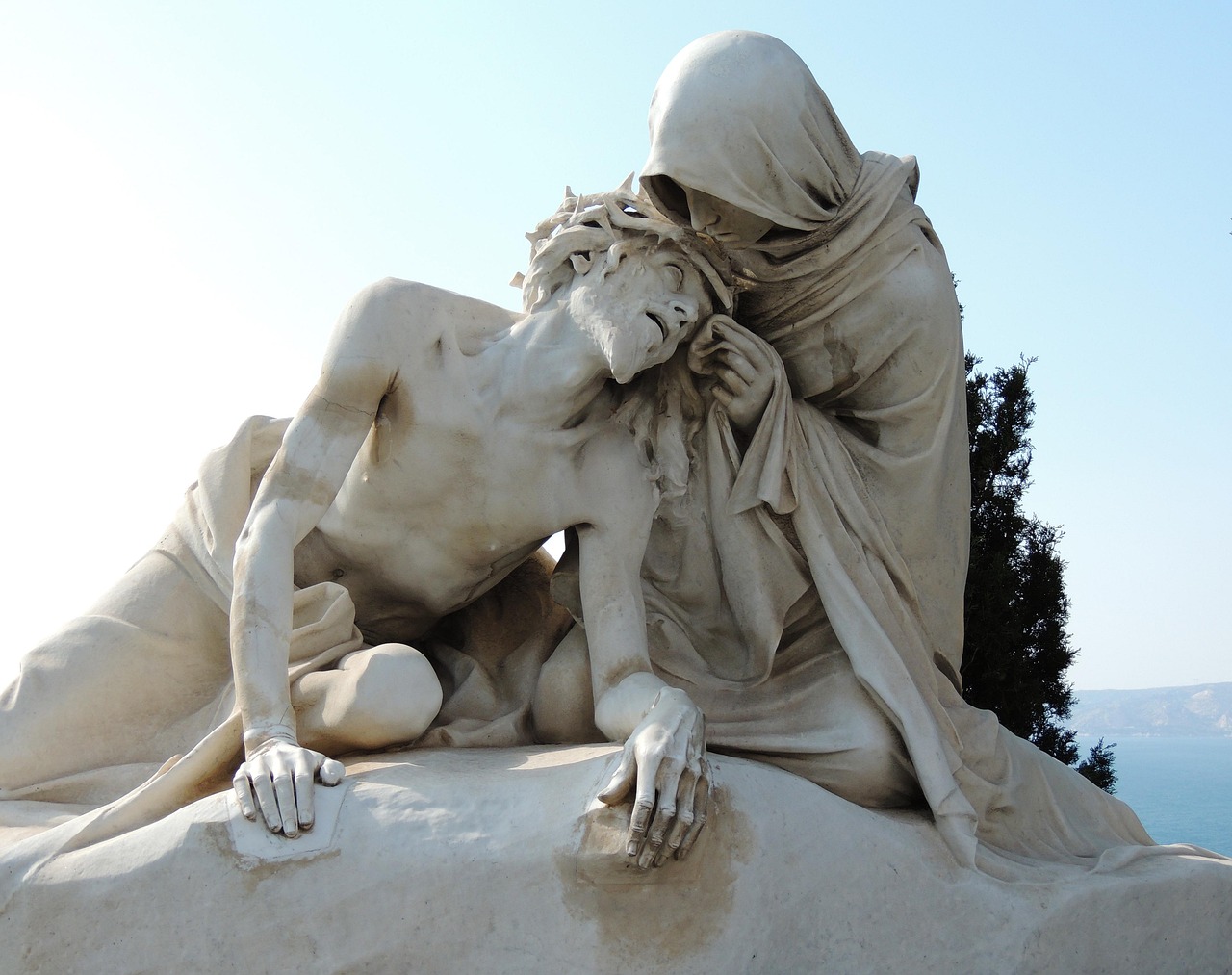
The Flaw Revealed
The artist who aims at perfection in everything achieves it in nothing.
Eugène Delacroix
The Kintsugi Lesson
This is the ancient Japanese art of kintsugi: repairing broken pottery with gold, making the cracks part of the object's beauty. The philosophy is that breakage and repair bring a new, richer history. A piece that has been broken and restored is more valuable than one never damaged—it has a story etched in its very material.

The Beauty of the Break
Art as Imperfect Being
Amadeo left the crack in his angel. Visitors no longer praised its perfection; they stood silent, moved by a sense of struggle and grace. The flaw gave the sculpture a story—of a loss, a repair, a survival. It became a mirror for human experience, where we are all cracked vessels mended by time.
Embrace the Fray
Whether in art or life, our imperfections are not failures but portals to depth. The frayed edge of a canvas, the missed note in a song, the typo in a poem—these are the fingerprints of the human hand. They invite us to look closer, to feel more. So next time you create, don't rush to erase the flaw. Let it speak.
Enjoyed this?
S
Written by
Sneha Pillai